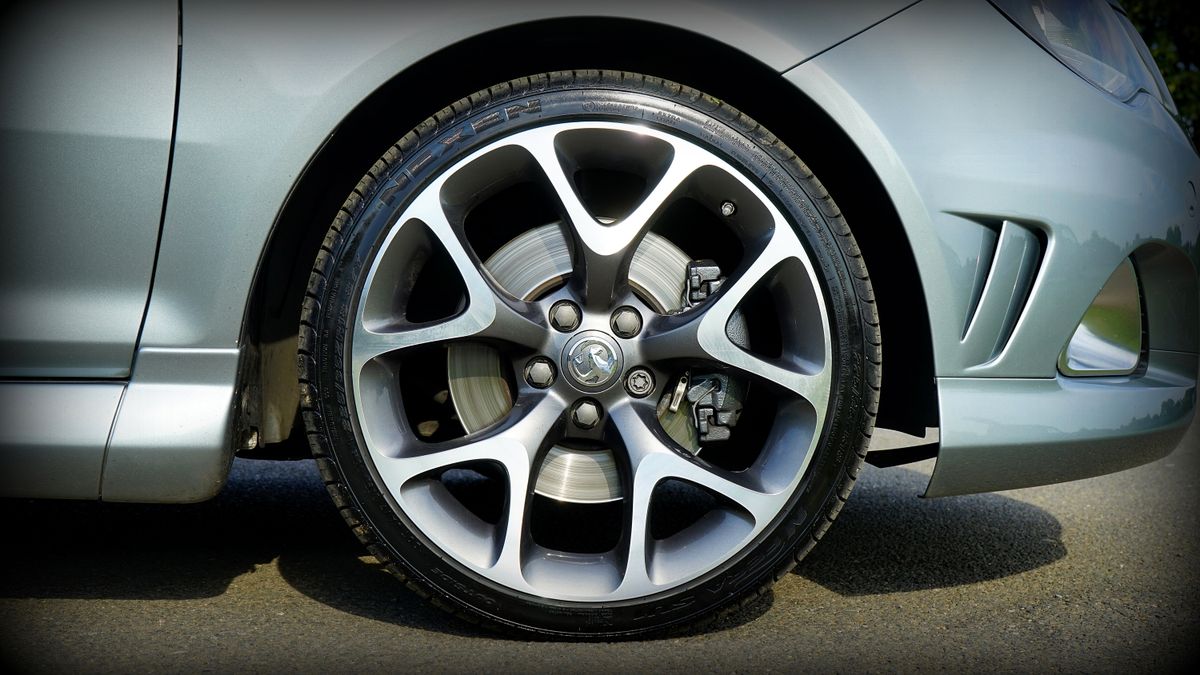
Photo via Pexels
Every neighborhood in Fort Myers has one: a car that has not moved in months, sitting under a tree off McGregor Boulevard or in a driveway in Lehigh Acres, collecting love-bug splatter and palm fronds. It still runs, or it almost does, but nobody in the household drives it anymore, and selling it feels like more trouble than it is worth. Donating it is an appealing alternative. A charity takes the car, you get the space back, and the donation does some good.
That is a fair summary, but donation is still a vehicle transfer, and Florida treats it like one. The title has to change hands properly, your plate has to come off, and your insurance has to end on the right date. The charity you choose matters too, because not every organization that accepts cars is the right fit, and the tax side of a donation has rules that are easy to get wrong. This guide walks through how car donation works in Florida, how to pick a legitimate charity, what paperwork to complete, and what to do when the car is not worth donating at all.
How car donation actually works
The process starts with the charity, not the car. You contact an organization that accepts vehicle donations, describe the car, and schedule a pickup or a drop-off. Most established charities work with a towing company or a vehicle processing partner that collects the car, often at no cost to you. The car does not need to run for many charities to accept it, though a running car is generally more useful to them than one that needs a tow and major work.
Once the charity has the car, one of three things usually happens. The charity may use the car directly, for example as a vehicle for its own programs. It may sell the car at auction and use the proceeds. Or it may sell the car for parts or scrap and use whatever the sale brings in. Which path your car takes depends on its condition and on the charity's program, and it matters for your records, because the paperwork you receive at the end reflects what happened to the car.
That paperwork is important. When you donate, you should receive a written acknowledgment from the charity with the organization's name, the date of the donation, and a description of the car. Keep that letter with your tax records. You should also keep a copy of the signed title showing the transfer, and a note of the date and time the car was picked up. If the charity sells the car, you may receive a second document later showing the sale details. Do not throw any of this away. A donation without paperwork is a gift you cannot prove, and proof is the whole point of doing the paperwork right.
Choosing a charity you can trust
Not every organization that advertises car donations is equally well run, and a little checking before you donate protects both you and the cause. Start with charities you already know: a local church, a veterans organization, a children's charity, or a community group with a real presence in Lee County. A charity with a physical address, a phone number that someone answers, and a track record in Southwest Florida is a safer bet than a name you have only seen in an online ad.
Ask the charity directly how the donation works. What happens to the car after pickup? What percentage of the car's value goes to the charity's programs, and what goes to the towing company or the processing partner? A reputable organization will answer plainly. If the person on the phone cannot tell you, or if the answer is vague, that is a reason to look elsewhere. You are giving away a car; you are entitled to know where it goes.
Be cautious about anyone who pressures you to sign the title immediately, who offers to handle the title transfer for you without explaining how, or who asks you to leave the buyer section of the title blank. A blank title is an open title, and an open title is a problem. The charity's name should go on the title as the buyer, the same as in any sale. If someone tells you to leave it blank for convenience, say no. You can also check whether the organization is registered as a charity and in good standing before you donate, and if the car has any value, it is worth confirming the charity's status with a quick check of public charity records.
The Florida paperwork: title, plate, and insurance
Donating a car in Florida is a title transfer, and it follows the same basic rules as selling one. You sign the title over to the charity, with the charity's name entered as the buyer, and you record the odometer reading where the title asks for it. Do not leave the buyer line blank, and do not sign the title and hand it over without filling in the charity's name. Once the title is signed and the car is picked up, the charity or its processing partner completes the transfer on their side, and Florida requires that transfer within 30 days.
Your license plate comes off the car before it leaves. In Florida the plate belongs to you, not the car, and it should never go with a donated vehicle. You can transfer the plate to another car you own, or surrender it. If you surrender it, the Lee County Tax Collector can handle that for you. Either way, keep a record that the plate is no longer on the donated car. If the car is later driven, towed, or ticketed with your plate still attached, the problem lands on you.
Notify your insurer once the car is picked up and the title is signed. Your coverage should end on the date the car left your possession, and your insurer will want to know that date. Do not cancel the insurance before the pickup, because the car is still yours and still your responsibility until it is gone. But do not keep paying for coverage on a car you no longer own, either. A quick call to your insurer on pickup day, with the date and the charity's name, closes the loop cleanly.
One more detail: if there is a lien on the car, the lien has to be satisfied before you can donate it. A charity cannot take a car with an outstanding lien, because the title is not clear. If you still owe money on the car, donation is not the right move until the lien is released and the title is clean in your name.
What a donation may mean for your taxes
Many people donate a car partly because they hope for a tax deduction, and that is a legitimate reason, but the rules are narrower than most people expect, and they are easy to misunderstand. The general principle is that a donation to a qualified charity may be deductible, but the amount and the documentation depend on what the charity does with the car and on your own tax situation. That is not something a car guide can settle for you, and you should not rely on a charity's marketing to tell you what you can deduct.
Talk to your tax preparer before you donate if the deduction matters to your decision. Bring them the charity's acknowledgment letter, the title copy, and any sale documentation the charity sends you afterward. They can tell you what applies to your return and what records you need to keep. What you should not do is assume a deduction, claim one without documentation, or donate a car you could have sold simply because someone told you the tax benefit would make up the difference. The deduction, if there is one, is a bonus. The donation itself is the decision.
Preparing the car before pickup
A donated car does not need to be detailed, but a little preparation protects you. Remove every personal item from the car: the glove box, the center console, the door pockets, the trunk, and under the seats. Check for anything with your name or address on it, including old registration paperwork, insurance cards, and toll transponders. Remove the toll transponder in particular; a transponder left in a donated car can keep charging your account long after the car is gone.
Take photos of the car before pickup, including the odometer, the exterior from a few angles, and the interior. Keep the photos with your donation records. They cost nothing and they settle any later question about the car's condition. If the car has a second key, include it; if it does not, tell the charity so. Make sure the charity's pickup driver gives you a receipt at the time of pickup, with the date, the charity's name, and the car's description. If no receipt is offered, ask for one before the truck leaves.
If the car does not run, say so when you schedule the pickup, and say exactly what is wrong if you know. A charity that arrives expecting a running car and finds one with a dead battery or a seized engine may still take it, but the pickup may need different equipment, and a surprise at the curb wastes everyone's time. Honesty about condition is just as important in a donation as it is in a sale.
When donation is not the right move
Donation is a good fit for a car that still has life in it but is not worth the effort of selling. It is a poor fit for a car that is worth very little and would cost the charity more to tow and process than it returns. In that case, the kindest thing for everyone may be a different path. A car that does not run, has major structural damage, or has been sitting through Florida summers with a dead battery, flat tires, and a moldy interior may be a better candidate for selling to a salvage buyer or a junkyard, where at least the transaction is straightforward and you know exactly what you are getting.
It is also worth comparing donation against a trade-in. If you are buying a replacement car anyway, the old car may be worth more to you as a trade than as a donation, and a trade is simpler: one transaction, one title transfer, one trip. Our guide to trading in your old car explains how that works and what to watch for. And if the car still has real value and you have the time, a private sale will almost always put more money in your pocket than any other option. Donation makes the most sense when the car's value is modest, your time is worth more than the sale would bring, and the charity matters to you.
Frequently asked questions
Does the charity pick up the car, or do I have to deliver it? Most established charities arrange a free pickup through a towing partner, and many accept cars that do not run. Confirm the pickup arrangement, the timing, and whether there is any cost to you before you schedule it.
What if I lost the title? You need the title to donate the car, the same as in a sale. If the title is lost, you can apply for a duplicate through the Lee County Tax Collector before you donate. Do not donate a car without a title, and do not let anyone talk you into signing a blank title form instead.
Do I remove the license plate before the pickup? Yes. In Florida the plate is yours, not the car's. Remove it before the tow truck arrives, and either transfer it to another vehicle you own or surrender it. Keep a record of what you did with it.
Can I donate a car that does not run? Often yes. Many charities accept non-running cars, since they may sell them at auction or for parts. Tell the charity the car does not run when you schedule the pickup, so the right truck is sent.
Will I get a tax deduction for donating my car? Possibly, if the charity is qualified and you itemize, but the amount depends on what happens to the car and on your tax situation. Keep every document the charity gives you and ask your tax preparer what applies to you. Do not rely on the charity's advertising for tax advice.
Donating a car is a simple act with a few important details, and the details are what protect you. Pick a charity you trust, fill in the title properly, take your plate off, tell your insurer, and keep every piece of paper. If the car still has real value and you are replacing it, it is worth comparing the donation against a trade or a private sale first. And if you would like a straight opinion on what your old car is actually worth before you give it away, call Joe at (239) 364-0709 or stop by Joes' Cars. You can also browse the inventory to see what a replacement might look like, and if you decide the car is not worth donating at all, our guide to when to junk a car instead of selling it lays out that option honestly.
Questions about a car?
Call Joe — he’ll give you a straight answer and, if there’s a car you like, have it ready for a test drive.
Book an appointmentBrowse inventory