Joes’ Cars Fort Myers · Selling & Trading
When to Junk a Car Instead of Selling It

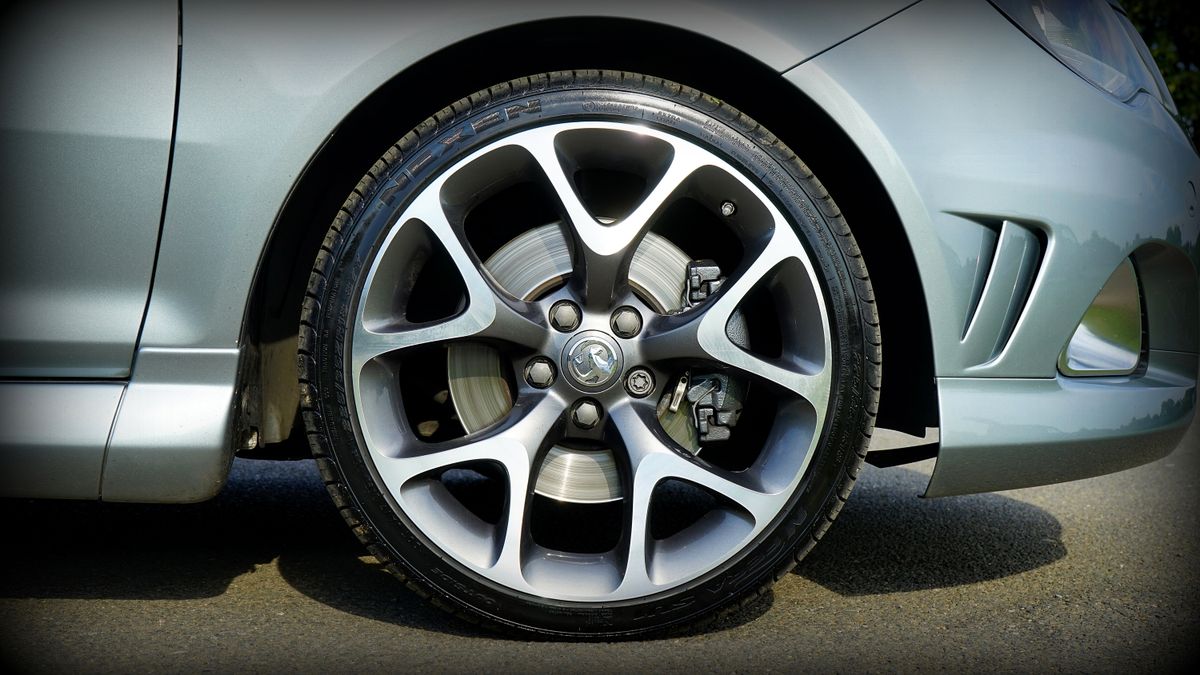
Photo via Pexels
There is a point in every old car's life when the math flips. The car still exists, it still has four wheels and an engine, but the cost of keeping it running is more than the car is worth, and the effort of selling it is more than anyone will pay for it. Owners in that spot often keep the car anyway, out of habit or hope, and it sits in a driveway off Colonial Boulevard or in a side yard in Lehigh Acres, sinking into the grass while the battery dies and the tires go flat.
Junking a car is not giving up. It is a practical decision, and for the right car it is the best one available. It clears the space, ends the insurance and registration costs, and puts a small amount back in your pocket. But the line between a car worth selling and a car worth junking is not always obvious, and junking has its own paperwork and its own scams to avoid. This guide explains how to make the call, what the junking process looks like in Florida, and what to handle before the tow truck shows up.
The signs a car has crossed the line
The clearest sign is the repair bill. When a single repair costs more than the car would sell for in running condition, the car is no longer an asset, it is a liability. That is especially true for the big three: engine, transmission, and major structural damage. A car with a blown engine or a failed transmission can still be sold to someone who wants a project, but the pool of buyers is tiny, and the price reflects that. For most owners, paying for that repair in the hope of selling the car afterward is throwing good money after bad.
Age and condition pile on. A car with very high mileage, a rusted underbody, a sagging headliner, a cracked dashboard, and an air conditioner that gave up two summers ago is not a car a buyer will fight over. In Southwest Florida, heat and salt air age a car faster than the calendar suggests. A car that spent years parked outside through summer downpours and hurricane season may look fine from the street and be rough underneath, with corrosion on the frame, the brake lines, and the suspension. An inspector or a buyer who gets underneath will find it, and the price will follow.
The third sign is time. A car that has been sitting for a year or more develops its own problems: a dead battery, flat-spotted tires, stale fuel, a moldy interior, and possibly a rodent nest in the engine bay or the air vents. Each month it sits, the car is worth less and costs more to bring back. If you have already decided you are not going to fix it, the car is not getting better while it waits. The decision is whether to sell it now, while it still has some value as a runner or a parts car, or to wait until it is worth only its weight in metal.
Selling versus junking: the honest comparison
Before you call a junkyard, compare the two paths honestly. A private sale earns the most when the car still runs, still passes an inspection in a buyer's eyes, and has enough life left that someone wants to drive it. If the car starts reliably, the AC blows cold, the tires hold air, and the body is straight, it is probably still a seller, even if it is old. A buyer looking for cheap transportation in Fort Myers will take a rough-looking car that runs well over a clean-looking car that does not.
Junking wins when the car does not run, when the repair needed to make it run costs more than the car, or when the car's problems are the kind a buyer will walk away from: a salvage title with frame damage, a flooded interior that never dried out properly, or an engine that knocks. It also wins when you value your time. Selling a car privately takes days of messages and meetings. Junking takes one phone call and one pickup. If the difference between the private-sale price and the junk price is small, the hours you save are worth more than the difference.
There is a middle path worth knowing about. Some cars are worth selling to a salvage buyer or a parts buyer rather than a scrap yard. A car with a good engine but a wrecked body, or a car with valuable parts and a dead transmission, may bring more from someone who wants the parts than from a yard that only weighs the metal. If the car has a straight body and a strong drivetrain, it is worth one call to a salvage buyer before you settle for scrap. And if the car still runs but you simply do not want the hassle of selling it, an instant-offer buyer or a trade-in may be a better middle ground. Our guide to selling to an instant-offer buyer explains how that process works and where the number comes from.
What junking a car actually involves
Junking a car in Florida is straightforward, but it is still a vehicle transfer, and the paperwork matters. You call a licensed salvage dealer or junkyard, describe the car, and agree on a pickup time. The buyer usually tows the car away at no cost to you. Before the truck arrives, you need the title. Most reputable junkyards require a clean title in your name before they will take the car, because they need to prove legal ownership when they process it. If you do not have the title, you will need to get a duplicate first, which the Lee County Tax Collector can help with. Some yards will take a car without a title under limited circumstances, but that is the exception, and you should be cautious about anyone who offers to take a car with no paperwork at all.
When the truck arrives, sign the title over to the buyer, with the buyer's name filled in, and record the odometer reading. Take a photo of the signed title before you hand it over. Get a receipt from the driver showing the date, the buyer's name, and the car's description. That receipt is your proof that the car left your possession on that date, and you should keep it with your records.
Remove your license plate before the car is towed. In Florida the plate belongs to you, not the car, and it should never leave with a junked vehicle. Transfer it to another car you own or surrender it. Then notify your insurer that the car is gone, so coverage ends on the right date and you stop paying for a car that no longer exists. A car that is still registered and insured in your name after it has been crushed is a car that can still generate paperwork for you, and none of it will be good.
How to avoid getting taken advantage of
The junk business has honest operators and it has operators who count on sellers not knowing the process, so a few precautions go a long way. Get more than one quote. Call two or three licensed salvage dealers and describe the car the same way to each. The numbers will vary, and the variation tells you something. A quote that is far above the others is often a quote that will shrink when the truck arrives, with a sudden discovery of a problem that was not mentioned on the phone.
Be wary of anyone who changes the price at pickup. If the driver arrives and the number drops, you are allowed to say no and send the truck away. The car is still yours until you sign the title, and a buyer who lowballs you at the curb is counting on the fact that you want the car gone. Have a second buyer in mind before the first truck arrives, so a refusal is a real option rather than a bluff.
Check that the buyer is licensed. A legitimate salvage dealer in Florida operates under a license, and they should be able to tell you their business name and license information without hesitation. Be cautious about cash-only operators with no business name, no receipt, and no paperwork. A transaction with no paper trail is a transaction you cannot prove, and if the car is later found abandoned or involved in something, the lack of a record points back at you. Never sign a blank title, never let the buyer fill in the title later, and never hand over the car without a receipt showing the date and the buyer's name.
Getting the car ready for pickup
A junk car does not need detailing, but it does need emptying. Go through the car completely: glove box, center console, door pockets, seat-back pockets, trunk, and under the seats. Remove anything personal, anything with your name or address, old registration paperwork, insurance cards, and your toll transponder. A transponder left in a junked car can keep charging your account, and personal paperwork in a crushed car is a needless risk.
Take photos of the car before pickup, including the odometer and the overall condition, and keep them with your receipt. If the car has a second key, hand it over; if it does not, say so. Make sure the car is accessible to the tow truck. A car buried behind other vehicles, blocked by a gate, or sunk into soft ground after a summer downpour can delay or complicate the pickup, and some buyers will charge for a return trip. Clear a path, unlock the steering if you can, and tell the buyer about any access problems when you schedule, not when the truck is already in your driveway.
If the car still has fuel in the tank, that is the buyer's concern, not yours. Do not try to drain it yourself. And if the car has aftermarket parts that are worth something on their own, like a newer set of tires, a roof rack, or a stereo, consider removing them before pickup if the buyer does not mind. A buyer paying for the car as a whole may not object, but ask first, since some buyers price the car with those parts included.
Frequently asked questions
Do I need the title to junk a car in Florida? In almost every case, yes. A reputable salvage dealer needs a clean title in your name to take the car legally. If the title is lost, apply for a duplicate through the Lee County Tax Collector before you call a buyer. Be cautious about anyone willing to take a car with no title and no paperwork.
What if the car does not run? That is normal for a junk car. Most salvage buyers tow non-running cars at no cost to you. Tell them the car does not run when you call, and describe what is wrong, so they send the right truck and the quote reflects the real condition.
Should I remove the license plate before the tow truck arrives? Yes. In Florida the plate belongs to you, not the car. Remove it before pickup, and either transfer it to another vehicle or surrender it. Keep a record of what you did with it.
Can I sell a junk car for parts instead of scrapping it? Sometimes, and it can be worth more. A car with a good engine, a straight body, or desirable parts may bring more from a parts buyer than from a scrap yard. It takes more effort and more time, so weigh the extra money against the extra hassle and the space the car keeps taking up.
What happens to the car after it is junked? The buyer typically drains the fluids, removes usable parts, and sends the remaining shell to be crushed and recycled. The metal is sold as scrap, and the parts may be resold. Your title is processed so the car is recorded as salvaged or destroyed, which is why keeping your copy of the signed title and the receipt matters.
Junking a car is the right call when the repair costs more than the car, when the car does not run and will not run cheaply, or when the time and trouble of selling it are worth more than the small difference in price. Do it properly: get more than one quote, use a licensed buyer, sign the title correctly, keep your plate, tell your insurer, and keep the receipt. If you are not sure whether your car has crossed that line, or whether it still has life as a trade, call Joe at (239) 364-0709. A straight look at the car and an honest opinion costs nothing, and it may save you from junking a car that still had a buyer, or from trying to sell one that was ready for the yard a year ago. You can also browse the inventory to see what a replacement might look like once the old car is gone.
Questions about a car?
Call Joe — he’ll give you a straight answer and, if there’s a car you like, have it ready for a test drive.
Book an appointmentBrowse inventory