Joes’ Cars Fort Myers · Models
Common Problems With a Used Nissan Sentra — and How to Spot Them
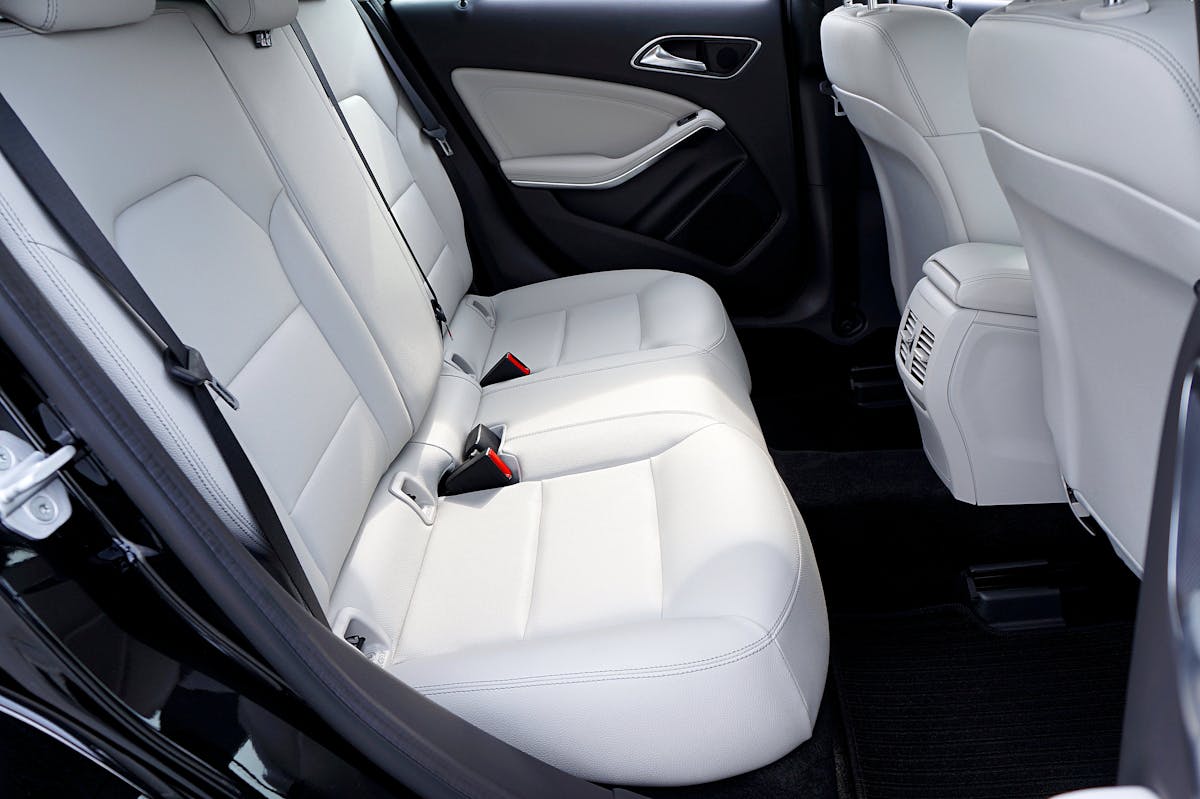
Photo via Pexels
Every used car has its weak points, and the Nissan Sentra is no exception. The good news is that the Sentra's problems are well known, which means you can go into a purchase knowing exactly what to look and listen for. The bad news is that one of those weak points, the transmission, can be expensive enough to turn a bargain into a regret. This guide covers the problems Sentra owners report most often, how to spot each one during a look-over and a test drive, and which ones are cheap fixes, which ones are negotiating points, and which ones should make you walk away.
None of this means you should avoid the Sentra. It is a comfortable, fuel-efficient sedan that fits Fort Myers life well, from the I-75 commute to the drive over the Cape Coral Bridge. It just means you should buy one with your eyes open. The checks below take about half an hour, and they are the difference between a car that serves you for years and a car that starts asking for money the week after you buy it.
The transmission: shudder, slip, and whine
The Sentra's continuously variable transmission, or CVT, is the problem that matters most. A healthy CVT feels smooth and seamless. A worn one gives itself away in several ways. The most common is a shudder or judder when you pull away from a stop, a vibration you feel through the seat and the steering wheel in the first few seconds of acceleration. Another is hesitation or a flare when you press the gas to merge onto I-75 or pass on US-41: the engine revs climb, but the car does not speed up to match. A third is a whining or droning noise that rises with road speed and does not go away when you lift off the gas. And a fourth is a delay or a clunk when you shift from park into drive or reverse.
Test for all of these on a real drive, not a parking lot loop. Drive in stop-and-go traffic on Colonial Boulevard, where the transmission works hardest at low speed. Then get on I-75, slow down, and accelerate hard to merge. Shift between drive and reverse a few times and feel for delay. If you notice any shuddering, slipping, or whining, have an independent mechanic inspect the car before you buy. Transmission trouble is the one Sentra problem that can cost more than the car is worth to fix, so it is a dealbreaker unless the seller's price reflects it and you are going in with your eyes open.
Ask about service history too. A Sentra with regular transmission fluid changes is a much better bet than one with no record at all. The fluid is the transmission's lifeblood, and a car that never had it changed is a car whose transmission has been working harder than it should for years.
Air conditioning that cannot keep up with Florida
In Fort Myers, the air conditioning is not a comfort feature, it is the whole driving experience for most of the year. Sentras can develop AC problems as they age, and the Florida heat exposes them fast. The most common complaints are air that never gets properly cold, air that is cold on the highway but warm in traffic, a compressor that cycles on and off constantly, or a grinding or clicking noise when the AC engages.
Check it properly. Turn the AC to its coldest setting with the fan on high and let it run for a few minutes on a hot afternoon. The air from the center vents should get genuinely cold, not just cool. Then sit in traffic or idle in a parking lot for a few minutes and check again; a system that only works at highway speed may have a weak cooling fan or a compressor that is losing its grip. Run the fan through every speed and listen for squealing or rattling from behind the dashboard, which can mean a blower motor on its way out. Sniff for a musty smell, which can point to a clogged evaporator drain or mold in the system.
An AC problem is usually a fixable one, not a dealbreaker, but it is a negotiating point, and it is worth knowing about before you buy rather than discovering it on your first July afternoon stuck on Summerlin Road in traffic. If you want the full cooling-system checklist, our guide on flood and salt air damage in Florida covers the Florida-specific checks that pair with this one.
Suspension, steering, and brake wear
The Sentra rides softly, which is lovely on the highway and means the suspension works hard on the rough patches, speed bumps, and railroad crossings scattered around Lee County. The wear points to listen for are clunks over bumps, which often mean worn struts or sway bar links; a knocking sound when you turn the wheel, which can point to a worn tie rod or ball joint; and a vibration through the steering wheel at highway speed, which usually means a tire balance issue but can also mean a bent wheel or a worn wheel bearing.
Steering problems have their own tell. If the wheel feels loose or vague on the highway, or if the car wanders and needs constant correction on a straight stretch of Daniels Parkway, have the front end checked. A grinding noise when you brake, a pulsing brake pedal, or a car that pulls to one side when you stop are all brake issues worth investigating. Brakes and suspension parts are normal wear items, so finding them worn is not a reason to walk away by itself. But worn brakes plus worn tires plus a shuddering transmission is a pattern, and patterns are what you are looking for.
Check the tires while you are at it. Uneven wear across the tread can mean an alignment problem or a worn suspension part. Cracking on the sidewalls is common in the Florida sun and means the tires are aging out even if the tread looks deep. A Sentra with four matching tires in good shape is a car whose owner was paying attention.
Electrical gremlins and interior wear
As Sentras age, the electrical items start to show it. The common complaints are a backup camera that flickers or goes dark, a touchscreen that freezes or stops responding, power windows that move slowly or get stuck, and warning lights that come on and off without a clear cause. None of these is catastrophic, but they are annoying, and they are the kind of thing you discover on day three of ownership if you do not test them before you buy.
Test everything. Every window, up and down, from both the driver's controls and each door. Every lock. The mirrors, the wipers, the headlights, the turn signals, the horn. The radio and the touchscreen through every menu. The backup camera in reverse. The USB ports and the charging outlets. Sit in the back seat and check the door handles and the seatbelts. A car whose electronics all work is a car that was looked after, and a car with three small electrical faults is a car whose owner stopped fixing things a while ago.
Interior wear tells the same story. Check the driver's seat bolster for tearing, the steering wheel for worn leather, and the headliner for sagging, which the Florida heat can cause. Look at the dashboard for cracks from sun exposure, especially on a car that spent its life parked outside in Estero or Lehigh Acres. Pull the floor mats up and check for dampness or a musty smell, which can mean a leak or past water exposure. These are small things individually, but together they paint a picture of how the car was treated.
Rust, leaks, and the Florida underbody
Salt air and summer storms are hard on any car in Southwest Florida, and the Sentra is no exception. The underbody is where the story shows. Look under the car at the exhaust, the suspension parts, and the subframe. Surface rust on the exhaust is normal and harmless. Flaking, crusty rust on structural parts is not. Check the bottom edges of the doors and the trunk lid for bubbling paint, which is rust working its way out from underneath. Look at the battery tray and the bolts around the strut towers under the hood.
Leaks are the other Florida problem. Check under the car after a test drive for fresh drips, and look at the ground where the car was parked. Engine oil, transmission fluid, and coolant all leave their own tell-tale stains and smells. Pop the hood and look for oil residue around the valve cover and the oil pan, and check the coolant reservoir level. A small seep is a maintenance item; an active leak that drips onto the ground is a repair you should price into your decision.
And always check for flood history. Pull up the trunk carpet and look for silt, sand, or a water line. Check under the seats for dampness. Pull a seatbelt all the way out and look for staining. Inspect the electrical connectors under the dashboard for green or white corrosion. A car that sat in standing water during a storm can look fine while hiding electrical problems that surface months later, so pair the physical check with the vehicle history report, which will show flood or salvage branding if the car carries it.
Which problems are cheap, which are dealbreakers
Not every problem is equal, and knowing the difference is what keeps a used Sentra affordable. Cheap fixes include worn tires, brake pads, a weak battery, a clogged cabin air filter, and a squealing belt. These are normal maintenance, and finding them is a reason to negotiate, not a reason to walk away. Medium problems include a weak AC compressor, worn struts, a failing wheel bearing, or a touchscreen that needs replacing. These cost real money but do not change whether the car is worth buying; they change what you should pay for it.
Dealbreakers are the problems that cost more than the car can justify. A slipping or shuddering CVT tops the list. Flood damage with corroded wiring is another, because electrical problems from water exposure tend to come back again and again. A car with a salvage or rebuilt title and no clear story about why is a third. And a car with several medium problems stacked on top of each other is a fourth, because the total is bigger than any single item suggests.
The smartest move is a pre-purchase inspection by an independent mechanic. They can put the car on a lift, read the transmission, and check the underbody in ways you cannot do in a parking lot. If the seller will not let you get an inspection, that tells you something too. For a broader framework on telling a good deal from a money pit, read our guide on good deal versus money pit, and if you want the Sentra-specific buying checklist, start with buying a used Nissan Sentra in Fort Myers.
Frequently asked questions
What is the most common problem with a used Nissan Sentra? Transmission trouble, specifically shuddering, hesitation, or whining from the CVT. It is the problem owners report most often and the most expensive to fix. Always test the transmission thoroughly on the test drive and have a mechanic inspect any car that shows symptoms.
Are Sentra AC problems expensive to fix? It depends on the cause. A weak blower motor or a clogged filter is a modest repair, while a failing compressor is a bigger one. The important thing is to test the AC thoroughly before you buy, on a hot day, at idle and at highway speed, so you know what you are dealing with.
How can I tell if a Sentra has flood damage? Look for silt or a water line under the trunk carpet, dampness under the seats and floor mats, staining on the seatbelts, and corrosion on electrical connectors under the dashboard. Then read the vehicle history report for flood or salvage branding. The physical check and the report work together.
Is a Sentra with high mileage still worth buying? It can be, if the maintenance history is strong and the transmission is healthy. A high-mileage Sentra with records of regular service, including transmission fluid changes, is often a better bet than a lower-mileage one with no history at all. The inspection matters more than the odometer.
A used Sentra rewards a careful buyer. Know the weak points, run the checks, and do not skip the inspection, and you will end up with a comfortable, affordable car that fits Fort Myers life. Browse the inventory to see what is available, or call Joe at (239) 364-0709 to talk through a specific car and book a test drive.
Questions about a car?
Call Joe — he’ll give you a straight answer and, if there’s a car you like, have it ready for a test drive.
Book an appointmentBrowse inventory

