Joes’ Cars Fort Myers · Florida Tips
Buying a Used Car Near the Water in Page Park
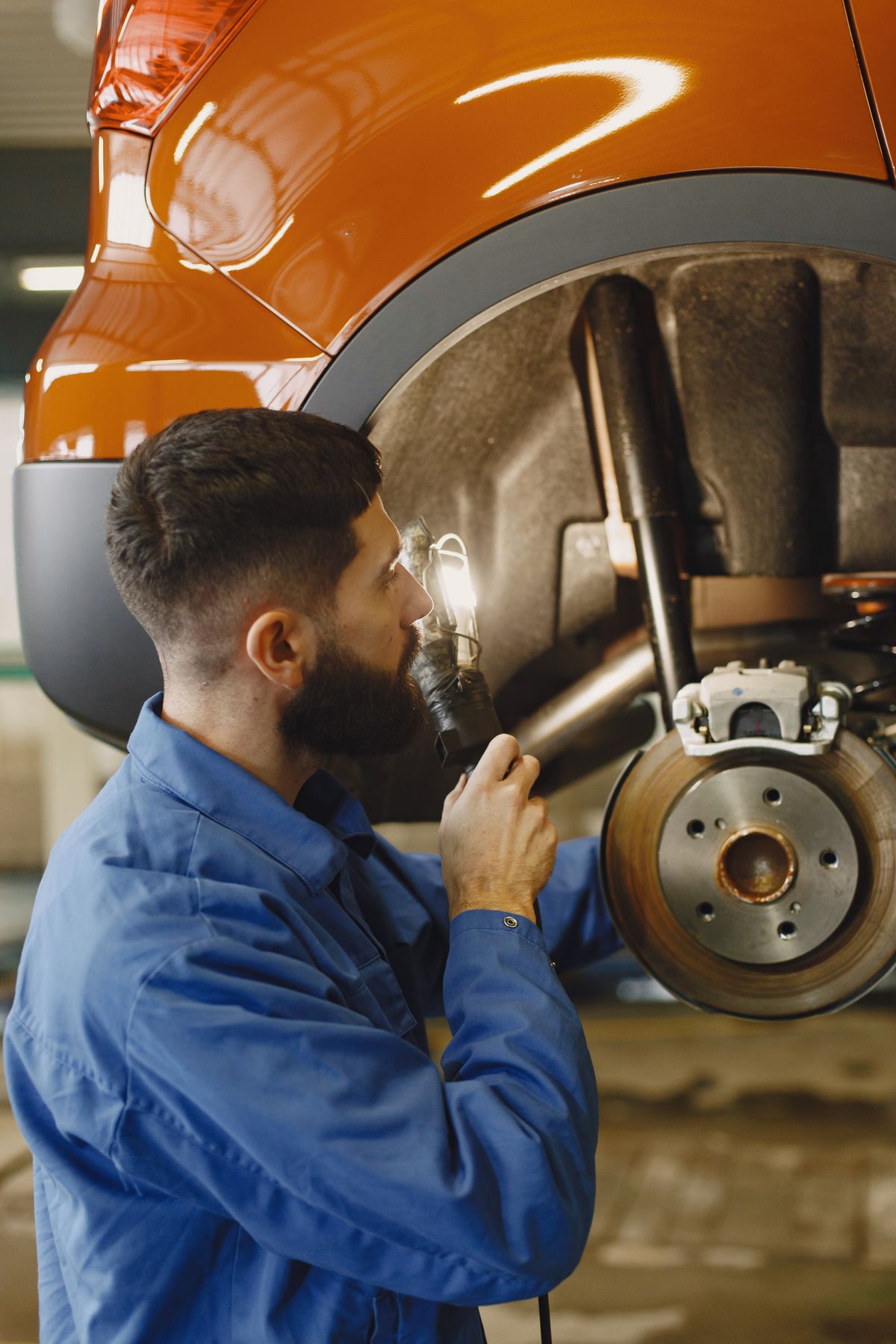
Photo via Pexels
Page Park is a small residential community off US-41, about fifteen minutes south of Fort Myers, and it sits close enough to the water that the coast shapes daily life here. The Caloosahatchee River is a short drive away, the beaches are a weekend habit, and the salt air drifts inland on the breeze whether you notice it or not. That is part of what makes living here good. It is also the reason buying a used car near the water is different from buying one further inland, because salt air, humidity, and flood exposure wear a car down in ways that are easy to miss and expensive to fix.
A car that lives near the water has a harder life than a car that lives in a dry climate. The air itself is corrosive, the rain is heavier, and the ground is flat enough that standing water is a regular event. None of that means you should avoid buying a used car here. It means you should buy one with your eyes open, knowing what to check and what to walk away from. This guide covers the checks that matter when a car lives near the coast or the canals, and how to tell a car that has been cared for from one that has been quietly eaten away.
How salt air reaches a car in Page Park
Salt air does not stop at the beach. It travels inland on the wind, and in a flat place like Lee County it reaches further than most people expect. Page Park is not on the waterfront, but it is close enough that the air carries salt, and a car parked outside here is exposed to it every day. The salt settles on the paint, on the glass, and, most importantly, on the underside of the car, where it works on bare metal, brake lines, and electrical connectors.
The damage is slow and quiet. Salt does not eat through a frame in a month. It works over years, helped by humidity and by the rain that washes salt deeper into crevices and joints. A car that has lived its whole life near the coast will show the effects underneath long before it shows them on the outside. That is why the underside inspection matters so much, and why a shiny paint job tells you almost nothing about the condition of the car where it counts.
Heat makes it worse. A car that sits in the Florida sun bakes the salt and the moisture into the metal, and the cycle of wet and dry, hot and humid, accelerates corrosion in a way that a cooler climate never does. Our full guide to flood and salt-air damage explains the chemistry in plain language, but the practical lesson is simple: near the water, the underside of the car is the most important part to inspect.
The underside inspection: frame, brakes, and lines
Get underneath the car, or ask to have it put on a lift. This is the inspection that tells you the most about a car that has lived near the water, and it is the one most buyers skip. Start with the frame rails, running from the front of the car to the back. Surface rust on the outside is common in Florida, but flaking rust, rust that has eaten through metal, or rust on structural parts is a reason to walk away. Pay special attention to the areas near the wheels, where road spray collects, and to the lowest points of the body, where water sits longest.
Check the brake lines carefully. They are thin metal tubes that run along the underside of the car, and they are one of the first things salt air attacks. Look for heavy rust, flaking, or any sign that the lines have been patched or replaced. A brake line that fails is a serious safety problem, and it is one of the most common salt-air failures on older cars in Lee County. Check the fuel lines too, and the exhaust system. A rusted exhaust is noisy and annoying. A rusted brake line is dangerous.
Look at the suspension parts: the control arms, the springs, the shock absorbers, and the mounting points. These are heavy steel parts that should look solid. If they are flaking, pitted, or rusted through at the mounting points, the car has spent too long in salt air without proper care. Check the electrical connectors you can see for green or white corrosion, which is a sign that salt water has been at work. Corroded connectors cause the kind of intermittent electrical problems that are maddening to diagnose and expensive to fix.
Flood exposure: the other water risk
Salt air is the slow risk. Flooding is the fast one. Page Park sits on flat land with a high water table, and a summer downpour can leave standing water on streets and in low-lying yards for hours. A car parked in a low driveway during a heavy storm can take on water through the door seals. A car driven through a flooded stretch of US-41 or a side street can pull water into the engine bay and the interior. And hurricane season brings the risk of a single storm pushing water across whole neighborhoods.
The flood check starts inside the car. Lift the floor mats and look at the carpet underneath, especially in the footwells and under the seats. Feel for dampness and look for a water line, a faint stain that runs at a consistent height across the carpet or the lower door panels. Pull each seatbelt all the way out and look for a stain or a tide mark near the bottom, which is one of the most reliable signs of a flooded car. Check under the seats for rust on the seat rails and the mounting bolts. Then use your nose. A musty, mildewy smell that returns even after the car has been aired out is a sign of water trapped in the padding under the carpet.
Read the vehicle history report before you shop, and learn how to read a vehicle history report so you can spot a flood brand or a salvage title. A clean report does not guarantee a clean car, because some flood cars are retitled in another state to wash the brand off, but a report with a flood brand is a clear reason to walk away. Our flood-risk checks for Page Park guide in this series goes deeper into the flood inspection, step by step.
Paint, glass, and the parts you can see
Salt air shows up on the outside of a car too, and the visible signs can tell you a lot about how the car has been treated. Look at the paint carefully, especially on the horizontal surfaces where salt and water sit: the hood, the roof, and the trunk. Look for bubbling, blistering, or paint that is peeling at the edges, which are signs that corrosion has started underneath the paint. Check the door edges and the wheel arches, where paint chips expose bare metal to salt air first.
Look at the glass and the trim. Salt leaves a film on glass that is hard to remove if it has been there for years, and it corrodes chrome and aluminum trim. Check the window seals for cracking or shrinking, because seals that have been baked in the sun and soaked in salt air lose their flexibility and start to leak. A car with good seals and clean paint has probably been washed regularly and cared for. A car with peeling paint and crumbling seals has probably been left outside and ignored.
Check the lights too. Look at the headlight lenses for clouding or yellowing, which is common in Florida sun, and check the taillight housings for water inside. Water in a taillight is a sign that the seal has failed, and it is a small version of the same problem that affects the whole car: salt water getting in where it should not be. None of these signs alone is a deal-breaker, but together they paint a picture of how the car has lived.
The engine bay and the electrical system
Open the hood and look at the engine bay with a flashlight. Salt air gets into the engine bay through the grille and the vents, and it works on the metal parts, the hoses, and the electrical connectors. Look for corrosion on the battery terminals, which is common, and check whether it is light surface buildup or heavy crusting that suggests the battery has been neglected. Look at the fuse box for corrosion, and check the wiring for any connectors that show green or white buildup.
Check the fluids. Pull the oil dipstick and look at the oil. It should be amber or dark brown, not milky or foamy, which would suggest water has gotten into the engine. Check the coolant level and color, and look at the radiator hoses for swelling or cracking. Check the transmission fluid if you can. Clean fluid is a good sign. Dark, burnt-smelling fluid means the transmission has been worked hard and may not have much life left.
Start the car and listen. A healthy engine starts promptly and settles into a smooth idle. Test every electrical feature: every window, every lock, every light, the AC on every setting, the wipers, the horn. Salt air corrodes switches and motors from the inside, and the damage often shows up as a feature that works most of the time but fails when you need it. If anything electrical behaves strangely, that is a sign worth taking seriously.
The test drive: listening for water damage
Take the car on a proper drive: surface streets near the lot, then US-41 in real traffic, and a stretch of I-75 at highway speed. Turn the radio off and listen. A car that has spent its life near the water can develop noises that a dry-climate car never does: creaking from corroded suspension bushings, grinding from worn brakes, whining from a failing wheel bearing. None of these are unique to coastal cars, but they are more common, and they are the sounds that tell you the car needs attention.
Test the brakes more than once, including a firm stop from a moderate speed on a clear stretch. Salt air is hard on brake components, and a car with corroded brakes will pull to one side, pulse under your foot, or grind when you stop. Drive over uneven pavement and listen for suspension noise. Turn the wheel fully in a parking lot and listen for clicking from the front end.
Use the 15-minute test-drive checklist to keep the drive organized. It covers the checks that matter for any used car, and the water-specific checks in this guide fill in the rest. If anything feels off, say so. A good seller would rather talk through a concern than have you discover it a week later on the way to the beach.
Frequently asked questions
How far inland does salt air damage reach? Further than most people think. In flat Lee County, salt air drifts inland on the wind and affects cars in Page Park and throughout Fort Myers, not just cars on the beach. Any car parked outside in this area is exposed to it, which is why the underside inspection matters for every local buyer.
What is the most important check on a car that lived near the water? The underside. Put the car on a lift and look at the frame, the brake lines, the fuel lines, and the suspension. Surface rust is common, but flaking rust on structural parts or heavy corrosion on brake lines is a reason to walk away.
Can a car be fixed after salt-air damage? Surface rust can be treated, but structural rust and corroded wiring are expensive to repair properly and often not worth fixing. The best approach is to avoid a badly corroded car in the first place, which is why the inspection matters so much.
Does a car cover help against salt air? A breathable car cover helps, because it keeps salt spray and rain off the paint and reduces the moisture that reaches the car. A plastic tarp makes things worse, because it traps moisture underneath. If the car is parked outside, a proper cover is worth the investment.
Should I get a pre-purchase inspection even if the car looks clean? Yes, especially near the water. A mechanic on a lift can see rust and corrosion that is invisible from the driver's seat, and the inspection costs far less than a single major repair. If you are comparing cars, our guide on good deal versus money pit explains how to weigh what you find.
Living near the water is one of the best parts of life in Page Park, and it does not have to make buying a used car harder. It just means you check the underside, you check for flood signs, and you buy from someone who will talk through a car's history honestly. Browse the inventory to see what is on the lot, and come run through these checks on a car you like. If you would rather talk it through first, call Joe at (239) 364-0709 or reach out through the contact page. Bring a flashlight, take your time underneath the car, and buy the one that passes clean.
Questions about a car?
Call Joe — he’ll give you a straight answer and, if there’s a car you like, have it ready for a test drive.
Book an appointmentBrowse inventory

