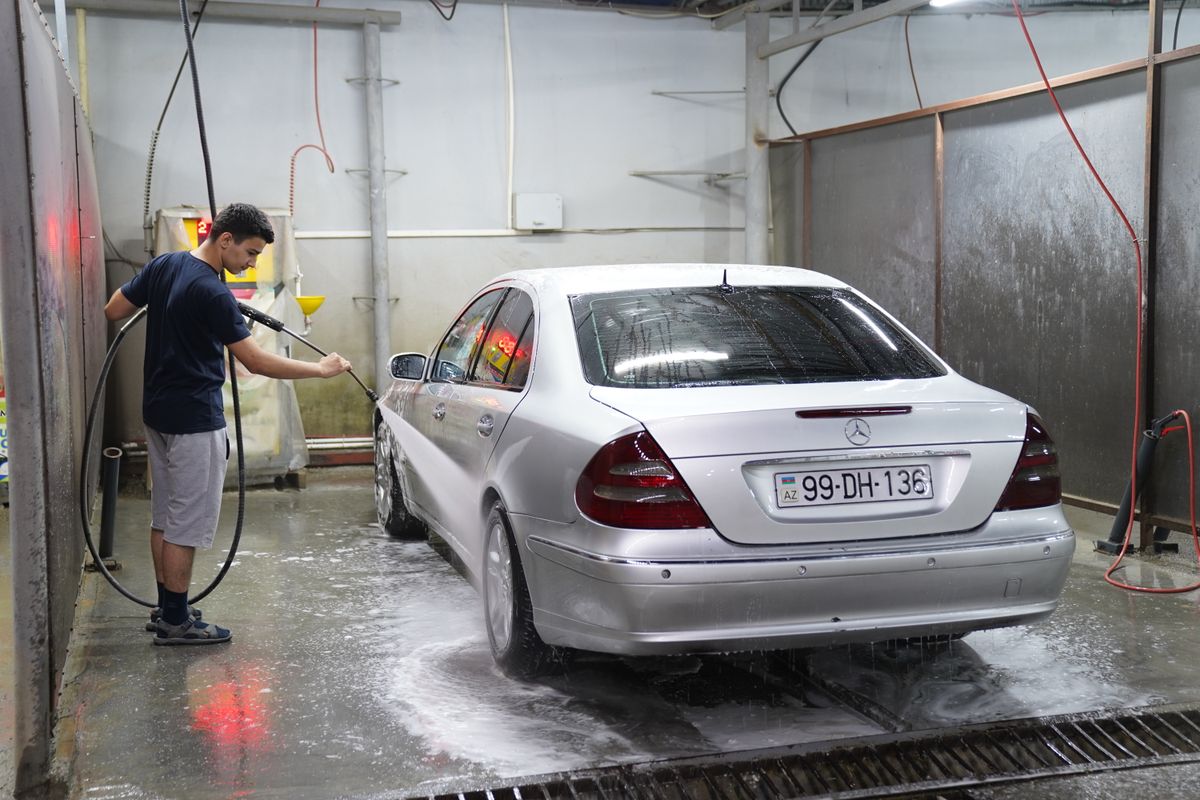
Photo via Pexels
A budget family car in Punta Gorda has to be honest about what it is. It is not the flashiest car on the road, and it does not need to be. It is the car that starts every morning, carries the family to school and work, handles the grocery run, survives the summer downpours on US-41, and still has room for beach gear on the weekend. It does all of that without a big monthly payment, without expensive repairs, and without a costly insurance bill. For a Punta Gorda family watching the budget, that combination is worth more than any badge.
The trap in budget shopping is buying the cheapest car on the lot and then paying for it in repairs. A car that looks like a bargain and needs major work in the first month is not a bargain at all. The smart budget buy is a car that is simple, common, well maintained, and cheap to fix, with a strong air conditioning system and a solid body. This guide covers the cars that fit that description, the checks that separate a good budget buy from a money pit, and the ownership costs that matter most for a Punta Gorda family.
Joe at Joes' Cars in Fort Myers works with budget-conscious Punta Gorda families every week. The drive from Punta Gorda is about 35 minutes south on I-75 or US-41, through Port Charlotte. Call Joe at (239) 364-0709 before you leave, tell him your budget and your family's needs, and he will help you focus on the cars that are genuinely affordable to own, not just affordable to buy.
What makes a good budget family car
A good budget family car starts with reliability, and reliability in a used car is mostly about simplicity and history. Simple cars with common engines and parts are cheaper to maintain and easier to fix, because every shop knows them. A car with a rare engine, a complex transmission, or unusual electronics may be cheap to buy and expensive to own, and that is the wrong trade for a family budget. Choose a car that is common on the roads of Fort Myers and Punta Gorda, because common means supported.
Maintenance history matters more than mileage alone. A car with higher mileage and a clean service history, with oil changes and scheduled maintenance done on time, is often a better buy than a lower-mileage car that was neglected. Ask Joe what service records came with the car, and read the vehicle history report for accidents and ownership changes. The guide on how to read a vehicle history report shows you what to look for, and it pairs well with the inspection in this article.
Size is the third piece. A budget family car needs room for the people who ride in it and the gear they carry, but it does not need to be large. A compact or midsize sedan, a small SUV, or a hatchback can all serve a family well, and each has a different balance of space, fuel use, and parking ease. Sit in the second row yourself, bring your car seats to the lot, and load the cargo area with your real gear. A car that fits your family on the lot will fit them every day. A car that is tight on the lot will only feel tighter with time.
Sedans and hatchbacks: the budget sweet spot
For most Punta Gorda families on a budget, a compact or midsize sedan is the sweet spot. Sedans are cheap to buy, cheap to insure, economical on fuel, and comfortable on the I-75 run to Fort Myers. The trunk is big enough for groceries and school bags, the ride is quiet, and the air conditioning cools a smaller cabin quickly. If your family is four people or fewer and you do not regularly haul large loads, a sedan is hard to beat on value.
Hatchbacks are the sedan's flexible cousin, and they deserve a serious look for budget families. The hatch opening makes loading easy, the cargo area swallows a stroller, sports bags, and a weekly grocery run, and the compact size makes parking in the downtown historic district and around Fishermen's Village simple. A hatchback that is well maintained, with a strong air conditioning system and good tires, is one of the cheapest practical family cars you can own in Punta Gorda.
What to watch for in a budget sedan or hatchback is the same as in any used car, with a focus on the expensive items. Check the air conditioning carefully, because a weak system in Florida is a daily problem and a costly repair. Check the tires for tread and age, test the brakes for pulling or vibration, and look underneath for rust from salt air off Charlotte Harbor. A budget car with a solid body, a cold air conditioner, and good tires is a budget car that will serve a family well. The complete buying guide covers the full inspection for Punta Gorda buyers.
Small SUVs: room for the family without the big bill
A small SUV suits budget families who need more room than a sedan offers but cannot afford a large SUV. The higher seating position gives better visibility in traffic on US-41, which helps in snowbird season, and the cargo area handles beach days, sports gear, and the weekly shop without folding seats. Small SUVs are also easier to get children in and out of, because the seat height is closer to a comfortable lift than a low sedan.
The trade-off is running cost. A small SUV is usually thirstier than a comparable sedan, and tires and insurance can cost a little more. That does not make it a bad budget choice, only a choice to price honestly. Get an insurance quote on the exact SUV you are considering before you buy, and think about your weekly miles. If the extra room means the difference between one car and two, or between a comfortable school run and a daily struggle, the small SUV is worth the difference. If the sedan already fits, the sedan is the cheaper answer.
Inspect a used small SUV like a family car. Check the second-row seats for stains and wear, look under the seats and in the cargo area for dampness or a musty smell, and test the rear air vents if fitted. Look underneath for rust on the frame, suspension, and exhaust, because salt air works on metal year-round near the harbor. Test the powered liftgate if fitted, and check the roof rails for solid mounting. The family SUV guide compares sizes for Punta Gorda families in more detail.
The real cost: insurance, fuel, and maintenance
The purchase price is only the first cost of a budget family car, and the families who get into trouble are the ones who forget the rest. Insurance is the biggest ongoing cost after fuel, and it varies widely by car, by driver, and by coverage. Get a quote on the exact car you are considering before you commit, so the premium does not surprise you after the sale. Florida requires personal injury protection and property damage liability, and a lender will require fuller coverage if you finance. A modest sedan or small SUV with good safety ratings usually costs less to insure than a sporty or very large vehicle.
Fuel use matters more for a family that drives every day. Short trips around Punta Gorda, with the air conditioning running hard, are the least efficient kind of driving, while highway cruising on I-75 is the most efficient. A four-cylinder engine is usually the sweet spot for a budget family car: enough power to merge confidently onto I-75, without the thirst of a larger engine. Keep the tires properly inflated, change the oil on schedule, and wash the underside regularly to slow rust from salt air.
Maintenance is the cost that separates a good budget buy from a money pit. Tires, brakes, batteries, and air conditioning service all come around sooner in Southwest Florida heat. Budget for a fresh oil change and a cabin air filter in the first month, and keep a small reserve for the first repair. The guide on what a monthly payment really covers helps families see the full ownership cost, and the guide on a good deal versus a money pit is a useful check before you commit.
Inspecting a budget car: where cheap becomes expensive
A budget car deserves a careful inspection, because the repairs that make a cheap car expensive are the ones a quick look will miss. Start underneath for rust, especially on a car that has lived near Charlotte Harbor. Salt air attacks the frame, brake lines, and suspension, so look for flaking or soft metal and check the brake lines carefully. Surface rust on an exhaust is normal, but structural rust is a reason to walk away. Check the tires for tread and for age, because old tires can look fine and still be hard and slippery in a summer downpour.
Inside, check for water damage with the same care. Pull up the floor mats and feel the carpet underneath, check the trunk and the spare-tire well for dampness or silt, and smell for mustiness with the doors closed. Test every electrical item, because flood water and salt air attack wiring first, and a car with several dead electrical items is telling you about its past. The core guide on flood and salt-air damage explains the warning signs, and the dedicated flood-risk guide for Punta Gorda covers the local picture.
Under the hood, check the oil, coolant, and transmission fluid, and look at the belts and hoses for cracks from Florida heat. Start the car cold and listen for knocks or rattles. During the test drive, use a real route: US-41 for stop-and-go, Colonial Boulevard or Daniels Parkway for a mix of speeds, and a short run on I-75 for highway merging. Turn the air conditioning to its coldest setting and leave it there. A budget car that is cool, quiet, and steady on that route is a budget car worth buying. The test drive checklist gives you a routine to follow so nothing gets skipped.
Fitting the family: seats, cargo, and the school run
A budget family car has to fit the family, not just the budget, so test the fit before you buy. Bring your car seats to the lot and install them. Check the latch anchors, the door opening size, and whether the second row has room for an adult beside a car seat. Sit in the second row yourself, with the front seat set for your driving position, and check your knee room and headroom. A car that is tight on the lot will be tight every morning on the school run.
Cargo is the other half of the fit. Open the trunk or cargo area and picture your real load: a stroller, a cooler, beach chairs, sports bags, and a weekly grocery run. Fold the seats and see how much room opens up. A powered liftgate is a help when your hands are full, but on a budget car it is a luxury, not a necessity. What matters is that the space is there, the seats fold easily, and the load floor is low enough to lift heavy items without a struggle.
Think about the school run and the daily routine in Punta Gorda specifically. The drive to school is usually short and local, but the drive to work or to Fort Myers is longer and busier. A car that is easy to park in the downtown historic district, easy to drive in snowbird-season traffic on US-41, and comfortable on I-75 will make the whole routine easier.
Paperwork and registration in Charlotte County
You buy the car in Fort Myers in Lee County, but you live in Punta Gorda in Charlotte County, so the title transfer and registration go through the Charlotte County Tax Collector. That is the detail Punta Gorda buyers most often get wrong, so keep it straight: the purchase happens in Fort Myers, the registration happens where you live. Florida gives you thirty days to transfer the title, so do not let the paperwork sit in a drawer.
Bring the signed title, your driver license, proof of Florida insurance, and the bill of sale to the Charlotte County Tax Collector. Check before you leave the lot that the vehicle identification number on the title matches the car, and that the title is signed correctly with no errors or cross-outs. If you financed the car, the lender is listed on the title and the Tax Collector handles that as part of the transfer. If you are trading in an old car, bring its title too, and ask Joe to walk through the paperwork with you before you leave Fort Myers. The guide on Florida title, registration, and insurance covers the full process.
Frequently asked questions
What is the best budget family car for Punta Gorda? A compact or midsize sedan or a small SUV with a simple, common engine, a clean maintenance history, strong air conditioning, and a solid body free of structural rust. The best budget buy is the car that is cheap to insure, cheap to fuel, and cheap to fix, not just cheap to buy.
How do I avoid buying a money pit on a budget? Inspect underneath for structural rust, check inside for water damage and dead electrical items, test the air conditioning and brakes properly, and read the vehicle history report. A professional inspection is the best money a budget buyer can spend, because it finds the repairs that turn a bargain into a money pit.
Should I bring my car seats when I shop? Yes. Install them on the lot before you buy, check the latch anchors and the door opening, and sit in the second row yourself. A ten-minute trial fit tells you more about whether the car fits your family than any measurement or review.
How much does insurance cost for a budget family car in Florida? It varies by car, by driver, and by coverage, so get a quote on the exact car you are considering before you buy. A modest sedan or small SUV with good safety ratings usually costs less to insure than a sporty or very large vehicle, and Florida requires personal injury protection and property damage liability.
Where do I register a budget family car bought in Fort Myers? At the Charlotte County Tax Collector, because Punta Gorda is in Charlotte County and registration follows where you live. Bring the signed title, license, proof of insurance, and bill of sale, and transfer within thirty days.
Browse the current inventory to see the budget family cars available now, and if you would like help finding the most affordable car that truly fits your family, call Joe at (239) 364-0709 or book an appointment and come down from Punta Gorda.
Questions about a car?
Call Joe — he’ll give you a straight answer and, if there’s a car you like, have it ready for a test drive.
Book an appointmentBrowse inventory

