Joes’ Cars Fort Myers · Buying Guide
What Sarasota Drivers Should Know Before Buying a Used Car
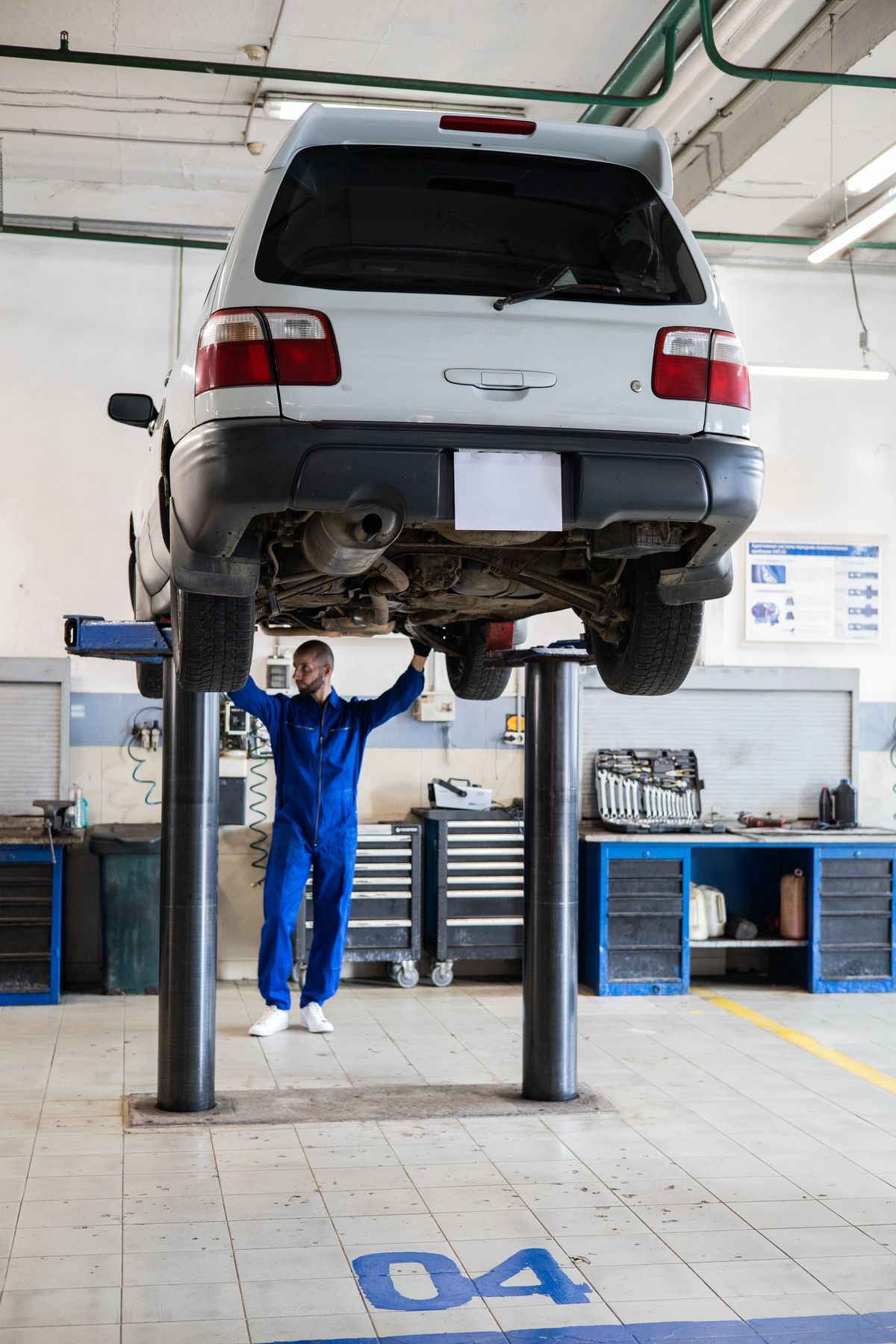
Photo via Pexels
Sarasota is a city that asks a lot of a car. It is about an hour north of Fort Myers on I-75, a cultural Gulf-coast city built around the Ringling Museum, St. Armands Circle, and the white-sand sweep of Siesta Beach. The same car might cruise to the Ringling in the morning, cross the bridge to St. Armands for lunch, sit in the sun at Siesta Beach all afternoon, and then join the evening traffic heading home. That is a full day of salt air, heat, sand, and stop-and-go driving, and it is an ordinary Tuesday here.
Buying a used car for Sarasota means buying for that life. A car that only ever ran errands inland will not have faced the same wear: the salt air working on the underbody, the sun baking the interior, the summer thunderstorms flooding low streets, and the snowbird season turning every bridge and circle into slow traffic. None of that should scare you away from a used car. It should shape which one you pick and what you check before the money changes hands.
This guide is the Sarasota version of that checklist: the hour-long run down from Fort Myers, what the Gulf coast does to a car, the flood checks that matter here, which kind of vehicle fits Sarasota life, how to test-drive like you mean it, and the paperwork rule that trips up buyers who live outside Lee County. When you are ready to look at actual cars, browse the inventory and bring this guide with you.
The hour up I-75 and what it means for your car
The drive from Joe's lot in Fort Myers to Sarasota takes about an hour, almost all of it on I-75 heading north past Punta Gorda, North Port, and Venice. It is a straightforward highway run, and that is exactly what makes it useful. A car that is going to live in Sarasota will spend a lot of its life on this interstate, whether you are commuting south to Fort Myers, heading north to Tampa, or just getting across town, so the highway is where the car has to prove itself.
Before you buy, think about how much of your driving is I-75 and how much is city streets. A luxury sedan or a convertible is the classic Sarasota choice, and it earns that reputation on the St. Armands cruise and the quiet drive to the Ringling. Many Sarasota buyers end up with two cars in mind and one driveway, which is why an SUV earns so many fans here: it handles the highway run, carries beach gear without a puzzle, and sits high enough to see over the traffic on the bridges.
The drive home from Fort Myers is your first chance to learn which kind of driver your new car is. Take the I-75 route, keep the radio off for the first stretch, and notice how the car merges, how it holds speed, and whether the steering stays straight without correction. The test drive checklist covers what to feel for in those first miles, and it is worth reading before you leave the lot rather than after you are halfway to Venice.
Salt air, sun, and the Sarasota summer
Salt air is the slow, quiet problem for every car on this coast. Sarasota sits right on the Gulf, and the air carries salt that settles on paint, in door jambs, under the car, and on every exposed piece of metal. Over months and years it speeds up rust on the underbody, the exhaust, the brake lines, and the suspension. A car that spent its life near the beach will show it underneath long before the paint gives it away, which is why the underside deserves more attention here than it would inland.
When you inspect a used car, look underneath or ask Joe to raise it so you can see. Surface rust on a bolt is normal and mostly cosmetic. Deep rust that flakes off in layers, rust that has eaten through a panel edge, or brake lines that look crusty and swollen are reasons to think twice. The flood and salt-air damage guide explains how to tell the difference, and it is worth a read before you get under any car.
Sun is the other half of the Sarasota equation. A car parked at Siesta Beach or St. Armands Circle bakes for hours in direct sun, and the interior pays for it: dashboards crack, leather fades and splits, and headliners sag. Check all of it in daylight, and run the air conditioning until the cabin is genuinely cold. A system that feels fine in the morning will feel broken in a July afternoon, and in Sarasota the air conditioning is not a luxury, it is how you survive the drive home. Summer thunderstorms add a third test: heavy rain floods low streets fast, and worn door seals or a clogged sunroof drain can let water in without the owner ever noticing. Open the trunk, lift the spare-tire cover, and sniff for mildew. A musty smell in a Gulf-coast car is a clue.
Flood history: the Sarasota check you cannot skip
Sarasota sits low near the water, and hurricane season is a fact of life in Sarasota County. Storm surge and heavy rain have put water into streets, garages, and parking lots across the area more than once, and a car that was caught in it can look spotless after a detailing while hiding corrosion in the wiring, silt under the carpets, and rust in places you cannot see from the driver's seat. Flood damage rarely announces itself on the first day. It shows up months later as electrical problems, a blower motor that quits, or a warning light that comes and goes.
Start with the vehicle history report, and read it before you fall in love with any car. Our guide to reading a vehicle history report explains what flood and salvage branding means and which entries deserve a second look. But a clean report is not a guarantee, because not every flooded car gets reported. Your own eyes are the second check. Pull up a corner of the carpet in the trunk and look for sand, silt, or a waterline. Check under the seats for rust on the seat rails and bolts. Look at the electrical connectors under the dashboard for green or white corrosion. Run every switch, every window, and every light, and notice anything that hesitates. Flood damage usually betrays itself in the small things first.
If something feels off, say so and ask for more time with the car. A careful seller expects these questions in a coastal city, and a buyer who asks them is a buyer who will not be back with a problem in three months. This is not about suspicion. It is about being honest that a Sarasota car lives where water is always part of the story.
Matching the car to Sarasota life
Sarasota life is a mix of culture, beach, and daily routine, and the right car fits all three. The Ringling Museum and St. Armands Circle reward a car that is comfortable and quiet, the kind of car you are happy to arrive in. Siesta Beach rewards a car that carries chairs, coolers, umbrellas, and sandy passengers without complaint. The bridges to the barrier islands reward a car with good visibility and a turning circle that does not fight you in a crowded lot.
A luxury sedan is the natural fit for the St. Armands cruise: smooth, quiet, and comfortable on the I-75 run down from Fort Myers. A convertible is the classic Sarasota pleasure car, and it is wonderful here if the top is in good shape. Test the top up and down, check the seals for wind noise at highway speed, and look for water stains that suggest a leak. An SUV is the practical answer for the beach half of life: it swallows gear, sits high in traffic, and handles a flooded dip in a low street better than a low sedan. Whichever you choose, check the cargo space with your actual gear in mind. Bring a beach chair to the test drive if you need to. The car either fits your life or it does not, and finding out on the lot costs nothing.
Think about passengers, too. Sarasota has a large seasonal community, and visiting family is a constant. A car that regularly carries four adults needs rear legroom that adults can actually use, and a back seat that is easy to climb into. A stylish two-door that looks perfect on St. Armands Circle gets old fast when your guests have to fold themselves into the back. The best Sarasota car is the one that makes your ordinary week easier, not the one that photographs best at the beach.
A test drive that proves something
A loop around the block proves almost nothing, and Sarasota gives you a better test for free. Take the car on the roads you will actually drive: a stretch of I-75 to feel how it merges and holds speed, a slow pass through a busy circle or a tight parking lot, and a rough side street to listen for suspension noise. Fifteen focused minutes tell you more than an hour of gentle cruising, and the test drive checklist lays out exactly what to check.
Start with a cold engine, because a car that has been sitting tells the truth. Listen for a rough idle, watch for smoke from the exhaust, and note any warning light that stays on after the first few seconds. Turn the air conditioning to its coldest setting and leave it there for the whole drive. Test the brakes at low speed and at highway speed, and feel for a pull, a vibration, or a pedal that sinks. Drive over a rough patch on purpose and listen. Park the car and walk around it slowly. Look at the tires for uneven wear, which can mean alignment or suspension trouble. Open and close every door, the trunk, and the hood, and feel for anything that sticks or sags. Sit in the back seat yourself, and check the mirrors and blind spots in a parking lot, because Sarasota lots in season are tight and busy, and a car you cannot see out of is a car you will bump.
Be picky now, while being picky is free. Every flaw you find before the sale is a flaw you can negotiate, walk away from, or at least buy with your eyes open. Every flaw you find after the sale is a repair bill with your name on it.
Title, tax, and the Sarasota County rule
Here is the paperwork rule that catches Sarasota buyers by surprise: you buy the car in Fort Myers, which is in Lee County, but your title and registration follow your home county, and Sarasota is in Sarasota County. That means the Sarasota County Tax Collector handles your title transfer and registration, not the Lee County office, and you have thirty days from the sale to get it done. Florida charges six percent state sales tax plus county surtax, and the title transfer is part of the same trip. Our Florida title, registration, and insurance guide covers the steps in order.
Bring the signed title, your proof of insurance, and your identification, and make sure the title is filled out completely before you leave the lot. A missing signature or a wrong odometer reading on the title can cost you a second trip, and a second trip from Sarasota to the tax collector is nobody's idea of a good afternoon. Florida requires personal injury protection and property damage liability insurance, so have your policy in place before you drive the car home. If you are trading in your old car, the trade-in is part of the same sale, and our guide to trading in your old car explains how that paperwork fits together. Keep every document from the sale in one folder until the new title arrives in your name. Sarasota buyers who do the paperwork in the first week never have to think about it again.
Frequently asked questions
Is a convertible a good choice for Sarasota? Yes, if the top is in good shape and you test it properly. Run the top up and down, check the seals for wind noise on I-75, and look for water stains or mildew that suggest a leak. A convertible that seals well is wonderful on St. Armands Circle, and one that does not will let in rain during the first summer thunderstorm.
How far is the drive from Fort Myers to Sarasota? About an hour, almost all of it north on I-75 past Punta Gorda, North Port, and Venice. It is a good first test of any car, because it shows you how the car merges, cruises, and cools itself at highway speed.
Should I worry about flood damage on a used car in Sarasota? You should check for it on every used car you consider. Sarasota sits low near the Gulf and storm water is part of local life. Read the vehicle history report, look for silt under the carpets and corrosion on the seat rails and electrical connectors, and run every switch and window. A clean report plus a careful inspection is the right combination.
Which tax collector handles my registration if I live in Sarasota? The Sarasota County Tax Collector, because Sarasota is in Sarasota County. You buy the car in Fort Myers in Lee County, but title transfer and registration follow your home county, and you have thirty days from the sale to complete them.
What should I check first on a car that lived near the beach? Start underneath: look for deep rust on the frame, suspension, and brake lines, and check the exhaust for thin or flaking metal. Then test the air conditioning until the cabin is genuinely cold, check the interior for sun damage, and sniff the trunk for mildew. Salt air and sun do their work slowly, and the signs are there if you look.
Buying a used car as a Sarasota driver comes down to respecting where the car will live. Salt air, summer storms, beach sand, the bridges to the barrier islands, and an hour on I-75 from Fort Myers are not problems to fear, they are facts to plan for. Check the underbody, test the air conditioning like your July depends on it, read the history report, and get the Sarasota County paperwork done in the first week. Then come see the cars in Fort Myers, take your favorite for a real test drive on the roads you will actually drive, and call Joe at (239) 364-0709 to book an appointment or ask about anything in this guide.
Questions about a car?
Call Joe — he’ll give you a straight answer and, if there’s a car you like, have it ready for a test drive.
Book an appointmentBrowse inventory

