Joes’ Cars Fort Myers · Buying Guide
Used Trucks for Work and Play in Whiskey Creek
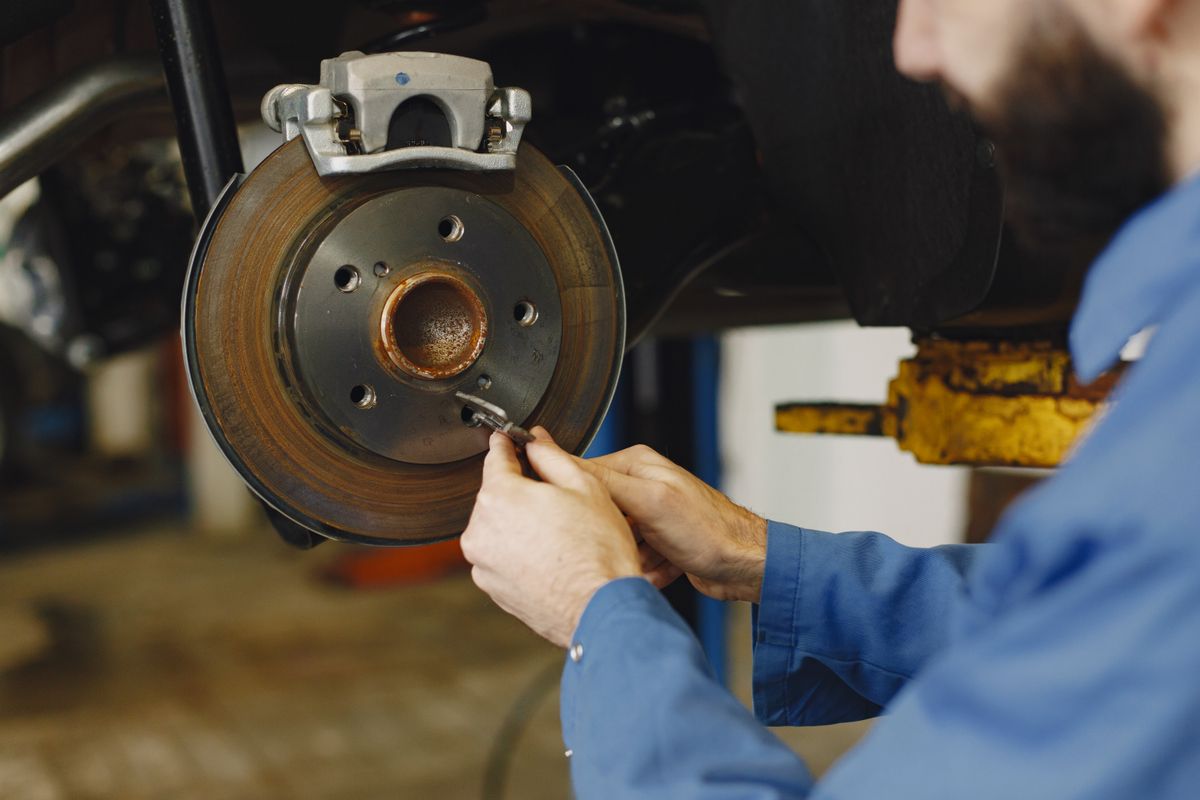
Photo via Pexels
A truck in Whiskey Creek is a working vehicle with a weekend life. During the week it might haul tools, building materials, or landscaping gear. On Saturday it might tow a boat to the ramp, carry golf clubs and coolers, or load up for a run to the home improvement stores along US-41 and Colonial Boulevard. On Sunday it is the family car. That mix of work and play is exactly what makes buying a used truck tricky: the same truck that towed hard for years can look fine on the outside while hiding wear underneath.
This guide is about buying a used truck that will live and work in Whiskey Creek. We will cover the sizes that fit this neighborhood, the towing setup that matters for boat owners, the frame and bed checks that Florida demands, and the test drive that tells you whether a truck was worked hard or cared for. Whiskey Creek is a golf community of villas and single-family homes south of Fort Myers, about fifteen minutes from Joe's lot by Whiskey Creek Drive and US-41, and the winding creek-side streets shape every part of this decision, starting with size.
What size truck fits Whiskey Creek?
The first question is not how much a truck can tow. It is whether the truck fits where you live. Whiskey Creek streets are winding and shaded, the driveways in the villa sections are modest, and the parking spaces at the golf club were not designed for the longest crew-cab trucks on the market. A midsize truck is the easiest fit here: it parks without a fight, turns tightly on the creek-side streets, and still hauls a respectable load in the bed. For many households it is the truck that gets used every day instead of sitting in the driveway.
A full-size truck makes sense when the work demands it. If you tow a boat, haul a trailer, or carry heavy loads for your job, the extra size and capacity are not optional. But be honest about how often you need them. A full-size crew cab is long, wide, and thirsty, and if it spends most of its life on short trips to the golf course and the grocery store, the extra size is a daily cost with no daily benefit. Measure your driveway and your garage before you shop, and park a full-size truck in a tight space during the test drive to see how it feels.
The cab matters as much as the bed. A regular cab gives you the longest bed and the lowest price, but it is cramped for a family. An extended cab adds room for kids or gear behind the front seats. A crew cab gives you a real back seat for passengers and car seats, which is why most Whiskey Creek families who buy a truck choose one. Decide which matters more, bed length or passenger room, because you cannot have the maximum of both in the same truck.
Towing: boats, trailers, and the setup that matters
Boat culture runs deep in Lee County, and a truck is often bought with a specific boat or trailer in mind. Before you shop, know what you will tow and how heavy it is when loaded, including the trailer, the fuel, and the gear. A truck's towing rating is only part of the story. The hitch, the wiring, the trailer brakes, and the cooling system all have to be up to the job, and a truck that towed near its limit for years will show the wear.
Check the hitch receiver for rust and damage, and look at the wiring connector for corrosion, which is common on trucks that launch boats in salt water. Test the trailer lights with a trailer connected if you can, and ask whether the truck has a factory towing package, which usually means a stronger cooling system, a transmission cooler, and a higher-capacity alternator. A truck with an aftermarket hitch and no supporting upgrades may have been towing beyond what it was built for.
Look at the rear suspension. A truck that towed heavy loads will often sit low at the back, and the leaf springs may be flattened or cracked. Check the transmission fluid for a burnt smell or dark color, which can mean the transmission ran hot under load. Ask how the truck was used: a truck that towed a boat to the ramp a few times a season is a very different buy from one that towed a work trailer every day. Our guide to trucks and SUVs in Southwest Florida covers towing and payload in more depth.
The bed, the frame, and the Florida rust check
The bed is where a work truck shows its history. Look at the bed floor and the walls for dents, cracks, and rust, and check whether a bed liner is hiding damage underneath. A spray-in liner is a good sign of a careful owner, but a drop-in liner can trap moisture and hide rust, so lift it if you can. Check the tailgate for smooth operation and straight alignment, and look at the tie-down points for damage from heavy loads.
The frame is the part that decides whether a truck is worth buying. Get underneath and look at the frame rails for rust, flaking, and any sign of repair or welding. Surface rust on a frame is common in Florida, but rust that has eaten through the metal or left holes is a reason to walk away. Check the brake lines and the fuel lines along the frame for corrosion, and look at the exhaust system for rust at the joints. The low creek-side streets of Whiskey Creek can hold standing water after the heavy summer downpours, and salt air drifts inland from the coast, so a truck that lived its life outdoors here needs this check more than most.
Do not forget the cab. Lift the floor mats and check the carpet for dampness or staining, which can mean water got in through a seal or a clogged drain. Look at the door jambs and the rocker panels for rust, which often starts where water and dirt collect. Check the windshield and the rear window seals for leaks, and look at the headliner for water stains. A truck that smells musty inside has a story, and you should find out what it is before you buy. Our guide to flood and salt-air damage in Florida walks through every one of these checks.
Engine, transmission, and the signs of hard work
A truck's drivetrain tells you how it was used. Start the engine cold if you can, and listen for knocking, ticking, or a rough idle that smooths out as the engine warms. Check the oil for a milky color, which can mean coolant is mixing in, and look for fresh leaks underneath after the truck has been sitting. Look at the belts and hoses for cracks, which are common on trucks that live in the Florida heat.
The transmission deserves special attention on a truck that may have towed. Drive it through every gear, including reverse, and feel for jerking, slipping, or hesitation. A transmission that flares between gears or takes a long time to engage is a warning sign, and transmission work is one of the most expensive repairs a truck can need. If the truck has four-wheel drive, test it. Engage four-wheel drive on a loose surface or a quiet stretch, listen for grinding, and make sure it disengages cleanly. Many buyers never test the system and discover it does not work the first time they need it.
Check the service history. A truck that was maintained on schedule, with records of oil changes, transmission service, and brake work, is a much safer buy than one with no records at all. A work truck with high mileage and a full service history is often a better buy than a low-mileage truck that was neglected, because the history tells you how it was treated. A vehicle history report will show accidents and any flood or salvage branding, and our guide to how to read a vehicle history report explains what to look for.
The test drive: work routes and daily driving
A truck test drive should cover the roads you will actually use. From Joe's lot, take the truck out onto US-41 and get it up to speed, then merge and brake firmly. A truck should stop straight and true, without vibration in the pedal or a pull to either side. Then take it down a quieter street where you can listen for rattles and feel how the steering responds at low speed. If you can, drive a stretch that mimics your daily route, including a stop-and-go section and a stretch where the truck can cruise.
Test the truck loaded if you can. Bring something heavy, or at least sit four adults in the cab, and notice how the suspension and the steering change. A truck that feels fine empty can feel very different with a load, and the difference tells you about the condition of the springs and the shocks. Back into a parking space and check the mirrors and the backup camera, since a long truck is harder to park than it looks. If the truck has a trailer brake controller, check that it works and that the display responds.
Pay attention to the air conditioning, because a truck cab heats up fast in the Florida sun and the system has to cool a large space. Turn it on full and let it run for several minutes, checking that cold air comes from every vent. Listen for rattles from the bed at speed, which can mean a loose liner or a damaged mount, and listen for wind noise around the doors and the windows. A truck that is quiet and cool on a test drive in August will be quiet and cool all year.
Running costs and the daily-driver question
A truck costs more to run than a sedan, and the difference is worth counting before you buy. Fuel is the biggest one: a full-size truck uses significantly more gas than a smaller vehicle, and the difference adds up fast on a daily commute up US-41 or out to I-75. Tires are the second: truck tires cost more, wear faster under heavy loads, and need rotation on schedule. Brakes wear faster too, since there is more weight to stop in the stop-and-go traffic of snowbird season.
Insurance is the cost buyers most often forget. Get a quote before you buy, because the same driver can pay very different amounts depending on the truck's size, its theft history, and its safety features. Ask about discounts for garaging the truck, for anti-theft equipment, and for bundling home and auto coverage. If you are financing, your lender will require comprehensive and collision coverage, so get the full quote, not just the liability figure.
Choosing the truck that earns its place
The best used truck for Whiskey Creek is the one that fits your work, your driveway, and your weekends at the same time. Make a short list: what you tow, what you haul, how many people ride along, and where the truck will be parked. Then drive two or three different sizes back to back and notice which one feels right on the roads you use every day. A truck that is easy to live with gets used and cared for; a truck that is a daily fight gets neglected, and neglected trucks cost money.
Bring your real life to the test drive. Load the bed with something heavy, hook up the trailer if you can, and park it where you will park it at home. Check the frame and the bed with your own eyes, ask for the service history, and get a pre-purchase inspection from a mechanic you trust. If you are weighing a truck against an SUV, our guide to the best family SUVs for Whiskey Creek covers the other side of the same decision, and our complete buying guide for Whiskey Creek walks through the inspection and the paperwork at the Lee County Tax Collector.
Frequently asked questions
What size truck fits best in Whiskey Creek? A midsize truck fits most households here: it parks easily on the winding creek-side streets and still hauls a real load. Choose a full-size truck when you tow a boat or carry heavy loads for work, and measure your driveway and garage before you buy.
How do I check a used truck for towing wear? Look at the hitch receiver and wiring for rust, check the rear suspension for sagging or cracked springs, and smell the transmission fluid for a burnt odor. Ask how the truck was used, and confirm whether it has a factory towing package with a transmission cooler.
Where does rust show up first on a Florida truck? On the frame rails, the brake lines, the exhaust, and the rocker panels. Lift the bed liner if you can, and check the spare tire area and the door jambs. Rust that flakes off in your hand or has eaten through metal is a reason to walk away.
Should I test the four-wheel drive before buying? Yes. Engage it on a loose surface, listen for grinding, and make sure it disengages cleanly. Many buyers never test it and discover it does not work the first time they need it on a boat ramp or a muddy job site.
Is a pre-purchase inspection worth it on a used truck? Absolutely. A mechanic on a lift can see the frame, the suspension, and the underbody in ways you cannot from the ground, and the report tells you what maintenance and repairs lie ahead before you commit.
A good used truck in Whiskey Creek is a tool and a family car at the same time, and the right one earns its place every day. Choose the size that fits your driveway, check the frame and the towing setup with real care, and drive it the way you will drive it at home before you sign. When you are ready, browse the inventory to see the trucks on the lot today, or call Joe at (239) 364-0709 to talk through what you tow, what you haul, and what fits your life. You can also book an appointment through the contact page, and neighbors in Villas and McGregor will find the same buying process waiting just up the road.
Questions about a car?
Call Joe — he’ll give you a straight answer and, if there’s a car you like, have it ready for a test drive.
Book an appointmentBrowse inventory

