Joes’ Cars Fort Myers · Comparisons
Two-Wheel Drive vs Four-Wheel Drive Trucks in Florida

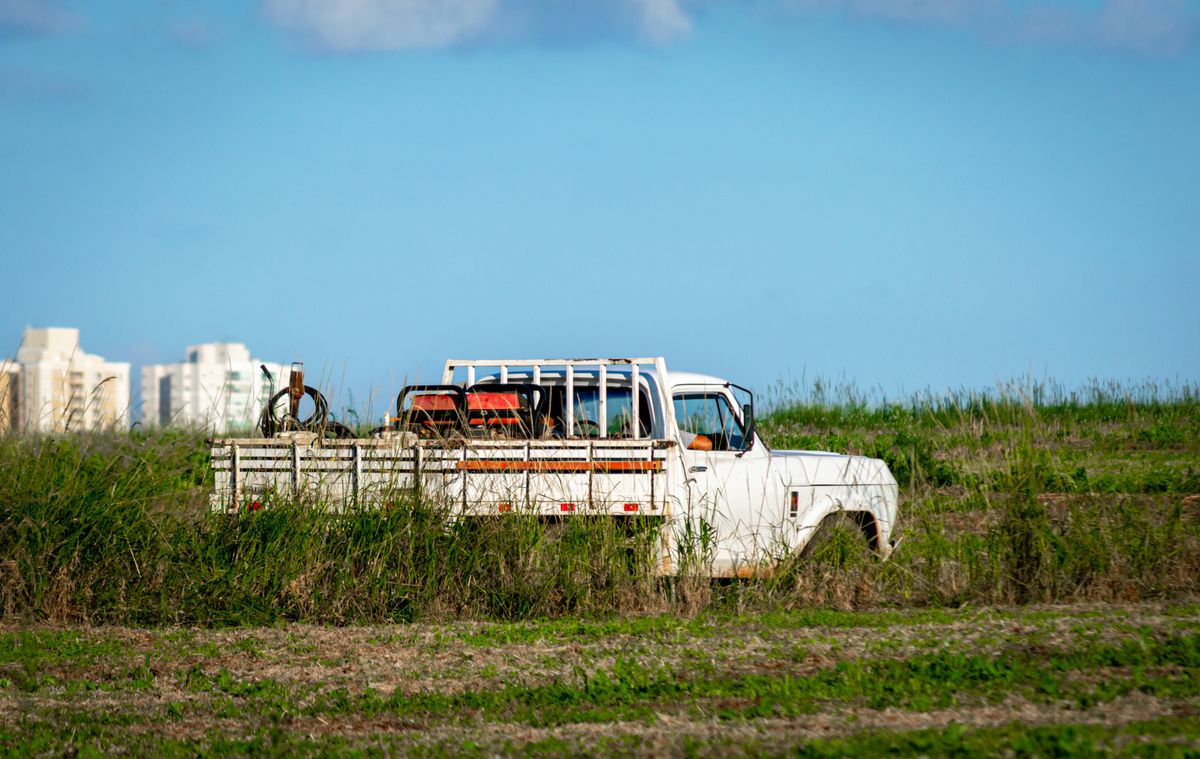
Photo via Pexels
Walk through any parking lot in Fort Myers and you will see trucks of every kind, and a good share of them have a four-wheel drive badge on the side. It is easy to assume that four-wheel drive is the obvious choice, the tougher and more capable option, the one a serious truck owner picks. But in Southwest Florida, where the land is flat, the roads are paved, and snow is something you see on television, the honest answer is more complicated than the badge suggests.
Four-wheel drive is a real capability, and for some truck owners in Lee County, it is genuinely useful. For others, it is an expensive feature that gets used a handful of times a year, if ever, while costing more to buy, more to fuel, and more to maintain for as long as they own the truck. The difference between the two is not about toughness. It is about how you actually use your truck, and whether the situations where four-wheel drive helps are situations you actually face.
This guide compares two-wheel drive and four-wheel drive trucks honestly, for Florida conditions specifically. By the end, you will know what each one does, when four-wheel drive actually matters here, and how to avoid paying for capability you will never use.
What two-wheel drive and four-wheel drive actually mean
A two-wheel drive truck sends power to one axle, usually the rear axle. That is enough for the vast majority of driving, because on a paved road with good tires, two driven wheels provide plenty of traction. A two-wheel drive truck is simpler, lighter, and more efficient, and it does everything a truck needs to do on the roads of Fort Myers: commuting on I-75, hauling loads on US-41, and driving to job sites in Lehigh Acres or Cape Coral.
A four-wheel drive truck can send power to both axles, which means all four wheels can pull. That extra traction helps when the ground is slippery, loose, or uneven — mud, sand, wet grass, or a steep, slick boat ramp. Most modern four-wheel drive trucks let you switch between two-wheel drive and four-wheel drive, so you can drive in two-wheel drive on the pavement and engage four-wheel drive only when you need it. Some systems do this automatically, and some require you to turn a dial or push a button.
The key point is that four-wheel drive helps you get moving in low-traction situations. It does not help you stop any faster, it does not help you steer better on a wet road, and it does not make you safer in the rain. On a flooded street or a rain-slick highway, four-wheel drive gives you no advantage over two-wheel drive, because braking and steering depend on your tires and your speed, not on how many wheels are powered.
Florida's terrain: flat, paved, and mostly dry
Southwest Florida is about as flat as land gets. There are no mountains, no steep grades, and no snow or ice. The roads are paved, the parking lots are paved, and the vast majority of driving happens on surfaces where two-wheel drive provides all the traction you need. That is the first and most important fact in this comparison: the conditions that make four-wheel drive essential in other parts of the country largely do not exist here.
What Florida does have is sand, mud, and wet ground. Boat ramps are the most common place where a truck's traction is tested, because a wet, algae-covered ramp can be slippery, especially when you are pulling a heavy boat out of the water. Sandy ground is another: if you drive onto a beach access area, a construction site, or an unpaved lot after a rainstorm, the ground can be soft enough to bog down a two-wheel drive truck. And during the summer, heavy downpours can leave standing water on streets and in low-lying areas, though no truck should be driven through deep water, and four-wheel drive does not make that safe.
For most truck owners in Fort Myers, these situations are occasional, not daily. You might launch a boat a few times a month, or drive onto a job site now and then, but the rest of your driving is on pavement. The question is whether those occasional situations justify the cost of four-wheel drive, or whether a two-wheel drive truck with good tires would handle them just as well.
When four-wheel drive genuinely helps in Lee County
There are real situations in Southwest Florida where four-wheel drive earns its keep. The most common is the boat ramp. Pulling a heavy boat and trailer up a wet, slippery ramp is the classic four-wheel drive job, and it is one that many truck owners in Fort Myers face regularly. If you launch a large boat every weekend at a ramp on the Caloosahatchee River or the Gulf coast, four-wheel drive gives you the traction to pull out smoothly and confidently, without spinning your wheels or getting stuck.
Sandy and muddy ground is the second situation. If you work in construction, landscaping, or any job that takes you onto unpaved lots, soft ground after a summer storm can stop a two-wheel drive truck. Four-wheel drive gets you through, and it gets you out again. The same applies to rural properties in eastern Lee County, where driveways and access roads may be unpaved and can turn to mud after heavy rain.
Towing on soft ground is the third situation. If you tow a trailer onto a grassy field for an event, or onto a sandy lot to load equipment, four-wheel drive helps you get the load moving without digging ruts or getting stuck. And if you ever need to pull another vehicle out of a ditch or a soft spot, four-wheel drive makes that possible in a way two-wheel drive cannot.
If any of these situations describes your regular life, four-wheel drive is worth the cost. If they describe something you do once or twice a year, the math is less clear, and a two-wheel drive truck with good tires may serve you just as well.
When two-wheel drive is the smarter buy
For a truck that spends its life on paved roads — commuting, hauling, running errands, and towing on pavement — two-wheel drive is the smarter buy. It costs less to purchase, and the price difference is significant. It uses less fuel, because it is lighter and has less drivetrain drag. It costs less to maintain, because there are fewer components to service: no transfer case, no front differential, and no extra driveshaft to wear out.
A two-wheel drive truck is also simpler to live with. There is nothing to engage or disengage, no system to remember to exercise, and no risk of driving in four-wheel drive on dry pavement, which can damage the drivetrain. You get in, you drive, and the truck does its job.
For towing on pavement, two-wheel drive is usually enough. A properly equipped two-wheel drive truck can tow a boat, a camper, or a utility trailer without any trouble, as long as the ramp or the ground is in reasonable condition. The towing capacity of a two-wheel drive truck is often slightly higher than the same truck in four-wheel drive, because the four-wheel drive system adds weight that comes off the payload and towing capacity.
If your truck is a daily driver and a work vehicle that stays on the roads of Fort Myers, Cape Coral, and Estero, two-wheel drive will do everything you ask of it, and it will do it for less money.
Costs: buying, fueling, and maintaining
The cost difference between two-wheel drive and four-wheel drive is one of the largest in this comparison, and it is worth understanding in full. A four-wheel drive truck costs more to buy, and the premium is substantial. That higher purchase price means higher sales tax, since Florida's 6% state sales tax plus the Lee County surtax applies to the full price, and higher insurance, since the insurer has to replace a more expensive vehicle.
Fuel costs are higher too. A four-wheel drive truck is heavier, and the extra drivetrain components create drag even when you are driving in two-wheel drive mode. Over a year of commuting on I-75 and US-41, that difference adds up. It is not enormous, but it is real, and it is a cost you pay every time you fill up, whether you use the four-wheel drive or not.
Maintenance is higher as well. A four-wheel drive truck has a transfer case that needs servicing, a front differential that needs fluid changes, and additional components that can wear out. Those services cost money, and if the four-wheel drive system is neglected, the repair can be expensive. A two-wheel drive truck has none of these costs, because the system does not exist.
Resale is the one area where four-wheel drive has an advantage. Four-wheel drive trucks are popular, and they tend to hold their value well, because buyers want them. That resale advantage can offset some of the extra purchase cost, but it does not offset the fuel and maintenance costs, and it only helps if you sell the truck. If you keep it for a long time, the resale advantage matters less.
Boat ramps, sand, and mud: the real test
If you are still unsure, think about the boat ramp, because it is the situation that decides this question for most Fort Myers truck owners. A boat ramp is a concrete slope that goes into the water, and when it is wet, it can be slippery. The algae that grows on a ramp in warm Florida water makes it slicker still. Pulling a boat out of the water means pulling a heavy load up a slippery slope, and that is exactly what four-wheel drive is designed for.
But not every ramp needs four-wheel drive. A well-maintained ramp with a good surface, a moderate slope, and a boat that is not excessively heavy can be handled by a two-wheel drive truck with good tires. The key factors are the weight of the boat and trailer, the condition of the ramp, and the tires on your truck. Good tires with deep tread make a bigger difference than most people realize, and a two-wheel drive truck with fresh, grippy tires can outperform a four-wheel drive truck with worn tires on a slippery ramp.
If you launch at the same ramp regularly, go and look at it. Watch other trucks pull out, and see whether the two-wheel drive trucks manage. Talk to other boaters about which ramps are tricky and which are easy. And if you do buy a two-wheel drive truck, invest in good tires and keep them in good condition, because tires are the single most important factor in traction, regardless of how many wheels are driven.
For sandy ground, the same logic applies. Four-wheel drive helps, but good tires, lower tire pressure, and knowing how to drive on sand matter just as much. If you only venture onto sand occasionally, a two-wheel drive truck with the right tires and a little care will get you through.
Frequently asked questions
Do I need four-wheel drive for rain and flooded streets in Fort Myers? No. Four-wheel drive does not help you stop faster or steer better on a wet road, and it does not make it safe to drive through deep standing water. In rain, your tires and your speed matter far more than how many wheels are powered. Never drive through water deep enough to reach the underside of your truck, regardless of the drivetrain.
Is four-wheel drive better for towing a boat? It helps on a slippery boat ramp, where the extra traction makes pulling a heavy load out of the water easier and more confident. On the road, while towing, four-wheel drive offers no advantage over two-wheel drive. If you tow on pavement and launch at well-maintained ramps, two-wheel drive is usually enough.
Does four-wheel drive use more fuel? Yes. A four-wheel drive truck is heavier and has more drivetrain drag, so it uses more fuel than the same truck in two-wheel drive, even when you are driving in two-wheel drive mode. The difference is modest but real, and it adds up over a year of driving.
Can I add four-wheel drive to a two-wheel drive truck later? Not practically. Converting a two-wheel drive truck to four-wheel drive is a major, expensive modification that is rarely worth doing. If you think you might need four-wheel drive, buy a truck that has it from the start.
What should I check when buying a used four-wheel drive truck? Test the four-wheel drive system on a suitable surface, such as grass or gravel, and make sure it engages smoothly and disengages properly. Listen for unusual noises from the transfer case or the front differential, and check for leaks underneath. Ask for service records, and make sure the transfer case and differential fluids have been changed on schedule. Our guide on trucks and SUVs in Southwest Florida covers what to look for, and our test drive checklist will help you evaluate the truck on the road.
Two-wheel drive versus four-wheel drive is not a question of which truck is tougher. It is a question of where you drive, what you tow, and how often you leave the pavement. If you launch a heavy boat every weekend, work on soft ground, or drive unpaved roads in eastern Lee County, four-wheel drive is worth every penny. If your truck lives on the paved roads of Fort Myers, a two-wheel drive truck will do the job for less money, less fuel, and less maintenance. Be honest about your real life, and let that make the decision. If you would like to compare trucks in person, browse our current inventory or call Joe at (239) 364-0709 to talk through what you tow and book an appointment.
Questions about a car?
Call Joe — he’ll give you a straight answer and, if there’s a car you like, have it ready for a test drive.
Book an appointmentBrowse inventory