Joes’ Cars Fort Myers · Family
Trading In a Car as a College Student College Student
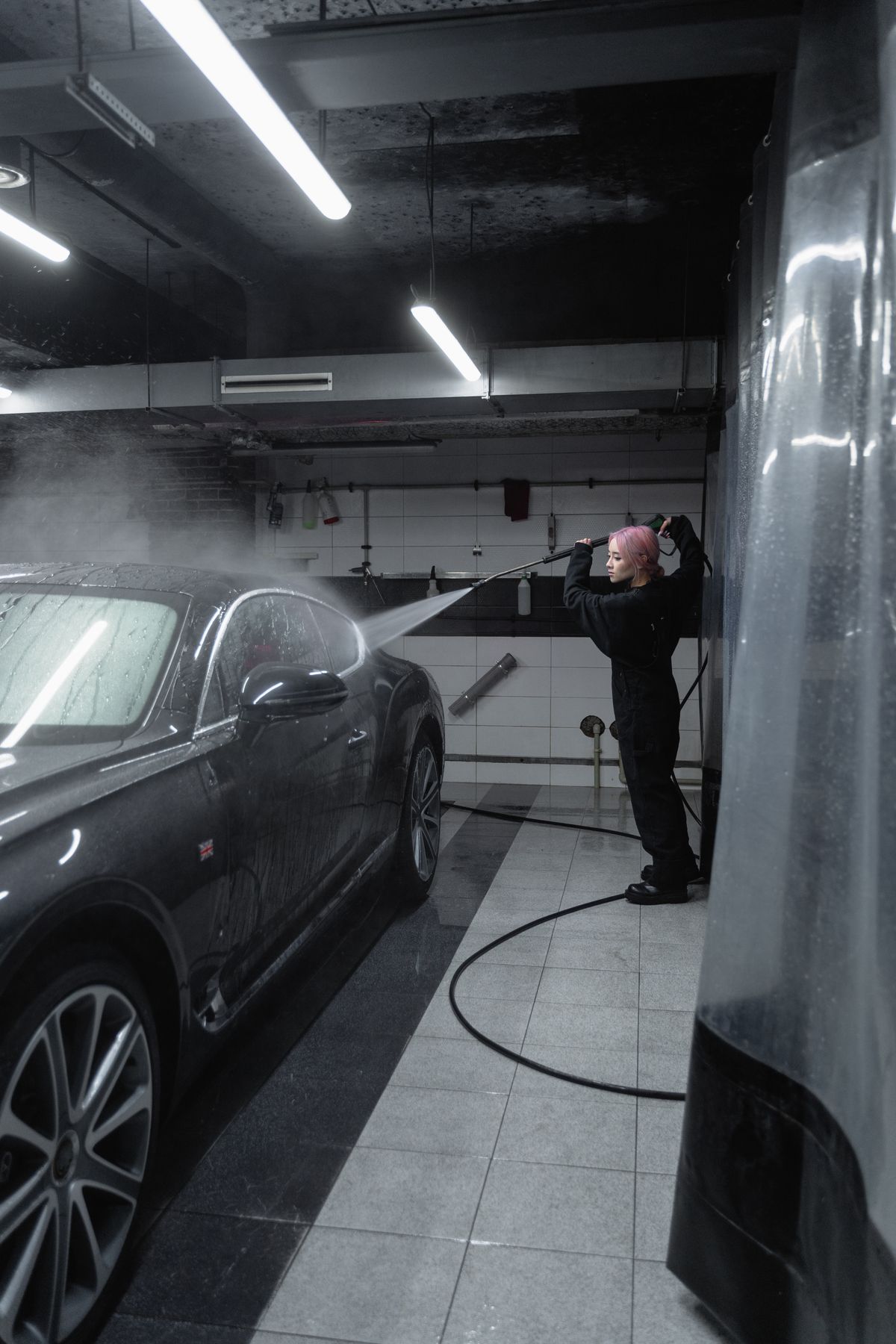
Photo via Pexels
Most college students who trade in a car are trading in the car they learned to drive in, or the car their parents handed down when they left for school. It has history. It has dents with stories behind them. And it has value, even if it does not feel like it. The mistake students make is treating the trade-in as an afterthought, something to sort out at the end of the deal, when it should be one of the first things you understand.
A trade-in does two things for you. It lowers the amount you need to finance or pay for the next car, and in Florida it can reduce the sales tax you owe, because tax is charged on the difference between the new car's price and the trade-in value. That tax break is real money, and it is one of the best reasons to trade a car in rather than selling it yourself. But it only helps if you know what your car is actually worth before anyone makes you an offer. This guide explains how to find that out, how to present your car well, and how to keep the trade-in and the purchase as two separate decisions, which is the key to getting a fair deal on both.
Know what your car is worth before you shop
The most important number in a trade-in is the one you bring with you. Before you look at a single replacement car, find out what your current car is worth in its real condition, with its real mileage, in the Fort Myers market. That means being honest with yourself about the dents, the worn tires, the air conditioning that only works on the highest setting, and the check engine light that comes and goes. Every flaw you can see, a buyer can see too, and pretending otherwise only wastes your time.
Condition is where students lose the most value. A car that runs well but looks rough will be valued as a rough car, no matter how reliable the engine is. That does not mean you should spend a fortune fixing things up. It means you should spend a little time and effort on the things that cost little and matter a lot: a thorough wash inside and out, clearing out the trunk and the back seat, and making sure the car does not smell like old gym clothes or fast food. First impressions matter in a trade-in just as much as they do in a job interview.
Gather your paperwork before you go. The title, your registration, and any service records you have. A car with a folder of maintenance records is worth more than the same car with no history at all, because records prove the car was cared for. If you still owe money on the car, find out the payoff amount from your lender before you shop. You cannot trade in a car cleanly without knowing what is owed on it. Our guide to trading in your old car covers the payoff and paperwork side in detail.
Understand the Florida trade-in tax credit
Here is the part most students never hear about, and it is worth real money. In Florida, when you trade in a car as part of buying another one, the sales tax is calculated on the difference between the price of the car you are buying and the value of the car you are trading in, not on the full price of the new car. Florida charges a six percent state sales tax plus a county surtax, so reducing the taxable amount reduces the tax you pay.
Think of it this way. If the car you are buying costs more than your trade-in is worth, you only pay tax on the gap between the two. That is a genuine saving, and it is one of the strongest arguments for trading in rather than selling privately. A private sale might get you a slightly higher price for your old car, but you lose the tax credit, and you have to handle the sale, the strangers, the test drives, and the title transfer yourself, all while trying to keep up with classes.
The tax credit only applies when the trade-in is part of the same transaction as the purchase, so keep the deal together. If someone suggests splitting it into two separate deals, ask why, and be cautious. The paperwork should show the trade-in value clearly on the same bill of sale as the purchase. When you transfer the title at the Lee County Tax Collector, the records should match. Our guide to Florida title, registration, and insurance explains how the paperwork works after the deal is done.
Keep the trade-in and the purchase separate in your head
This is the golden rule of trading in, and it is the one students break most often. A trade-in and a purchase are two deals, not one. The moment you let them blur together, you lose track of whether you got a fair price for your old car or a fair price for the new one. A generous trade-in offer can hide an inflated price on the replacement car. A great price on the replacement can hide a low offer on your trade.
The way to keep them separate is simple. Settle the trade-in value first, on its own, before you talk about the price of the car you want. Know your number going in. If the offer is far below what your research says the car is worth, say so, and be ready to walk away from the trade while still being interested in the purchase. You are allowed to sell your old car another way. You are allowed to keep it. The trade-in is a convenience, not an obligation.
Students are especially vulnerable here because the deal often moves fast and there is pressure to wrap it up in one visit. Slow it down. Take the offer home. Talk it over with a parent or a friend. A fair deal today will still be a fair deal tomorrow. If you want a second opinion on what your car might be worth, or you are not sure whether the numbers add up, call Joe at (239) 364-0709 and talk it through before you commit to anything.
Get the car ready without overspending on it
There is a line between preparing your car for trade-in and throwing money at it, and students on a tight budget need to know where it is. A wash, a vacuum, and clearing out your belongings are free or nearly free, and they make a real difference. Replacing a burned-out headlight bulb or a missing hubcap is cheap and worth doing. But a major repair right before a trade-in almost never pays for itself. If the car needs a new transmission or a major engine repair, you will not recover that cost in the trade-in value. Be honest about the car's condition, fix the small things, and let the big things be what they are.
Pay special attention to the things a buyer in Florida will check first. The air conditioning is at the top of the list. If it is not blowing cold, say so upfront, because it will be discovered in the first five minutes of a test drive on a hot Fort Myers afternoon. Tires matter too: worn tires are visible, they are a safety issue, and they knock value off immediately. Check the spare tire and the jack as well. A missing spare is a small thing that signals a car that was not cared for.
One more Florida-specific point: if your car has spent its life near the coast, the underside may show salt air corrosion even if the body looks clean. Do not try to hide it. A buyer will find it, and hiding it damages your credibility on everything else. Honesty about condition is what gets you the best offer, because it lets the other side trust the rest of what you say about the car. For more on what coastal air does to a car, read flood and salt air damage in Florida.
Timing your trade around the semester
When you trade in matters almost as much as how. The best time to trade is when you have time to do it properly: a break between semesters, a light week of classes, or a stretch when your part-time job hours are lower. Trading in during finals week or the first week of a new semester is a recipe for a rushed decision, and rushed decisions are how students accept a low offer because they just want the whole thing over with.
If your old car is still running, you have leverage. You can shop, compare, and wait for the right replacement. If your old car has died, that leverage is gone, and the pressure to accept whatever is offered goes up fast. That is why planning matters. If your car is showing signs of trouble, a warning light that keeps coming back, a transmission that slips, an air conditioner that is fading in the summer heat, start shopping while the car still runs. You will get a better trade-in value for a running car than for a dead one, and you will make a better decision when you are not stranded.
The end of a semester is often a good window. Students are moving, schedules open up, and you can handle the trade, the title transfer, and the insurance change without missing class. If you are not sure when to start, the guide to the best time for a college student to buy a used car walks through the calendar in detail. And if you are still deciding whether trading in is even the right move for you, read common mistakes college students make when buying a car first, so you do not repeat the errors that catch most first-time buyers.
Frequently asked questions
Is trading in better than selling my car myself? For most students, yes. A private sale can bring a slightly higher price, but it takes time, it means dealing with strangers and test drives, and you lose the Florida trade-in tax credit, which reduces the sales tax on your next car. If you are short on time or you need the car gone the same day you buy the next one, a trade-in is the simpler and often the smarter choice.
How does the Florida trade-in tax credit work? When you trade in a car as part of buying another one, Florida sales tax is charged on the difference between the new car's price and your trade-in value, not on the full price. Florida charges a six percent state sales tax plus a county surtax, so lowering the taxable amount lowers the tax you pay. The trade-in has to be part of the same transaction for the credit to apply.
Should I fix my car up before trading it in? Fix the cheap things: wash it inside and out, clear out your belongings, replace a burned-out bulb, and make sure it does not smell. Do not spend money on major repairs right before a trade-in, because you almost never recover that cost in the offer. Be honest about the car's condition, especially the air conditioning and the tires, which are the first things a buyer in Fort Myers will check.
What paperwork do I need to trade in a car? The title, your current registration, and a photo ID. If you still owe money on the car, bring the payoff amount from your lender. Service records help too, because they prove the car was maintained. After the deal, the title transfer happens at the Lee County Tax Collector, and you will need insurance on the new car before you drive it home.
Can I trade in a car that does not run? Sometimes, but expect a much lower offer, and be upfront about the problem. A non-running car is worth far less than a running one, and hiding the issue will only slow the deal down when it is discovered. If the car still runs but is showing signs of trouble, trade it in while it runs. You will get a better value and a calmer decision.
Bring your car by and talk through the trade before you decide anything. Browse the inventory to see what your next car could be, then call Joe at (239) 364-0709 or book an appointment to get a straight answer on what your car is worth and what the trade would look like.
Questions about a car?
Call Joe — he’ll give you a straight answer and, if there’s a car you like, have it ready for a test drive.
Book an appointmentBrowse inventory

