Joes’ Cars Fort Myers · Comparisons
Toyota Tacoma vs Ford F-150: Midsize vs Full-Size in Florida
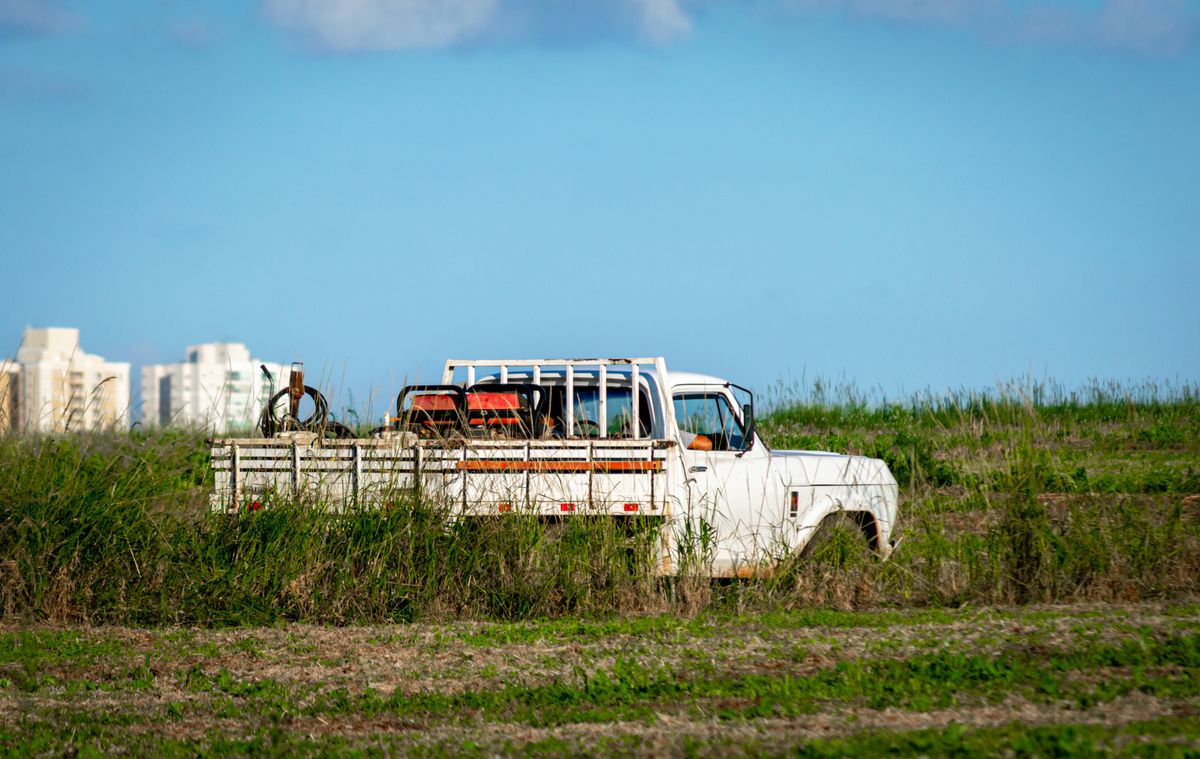
Photo via Pexels
The truck question in Fort Myers usually starts the same way: do I need a full-size truck, or will a midsize truck do the job better? The Toyota Tacoma and the Ford F-150 are the two trucks that frame that question best. The Tacoma is the midsize truck that fits in a garage, slips through a crowded parking lot, and still hauls and tows for real work. The F-150 is the full-size truck that does everything bigger, with more room, more bed, and more pulling power for the heaviest jobs.
Both are everywhere in Lee County, from job sites in Lehigh Acres to boat ramps on the Caloosahatchee River, and both are proven workhorses. The difference is not which one is better in the abstract, it is which size fits your life. A Tacoma that fits your garage and your daily routine will serve you better than an F-150 that does not fit where you live. An F-150 that pulls your boat without strain will serve you better than a Tacoma that struggles with it every weekend.
This guide compares them for real Fort Myers use: parking and daily driving, towing a boat, hauling for work, and the inspection that matters before you buy. Browse the current inventory to see what trucks are available, and bring our test drive checklist when you go to look.
Size, parking, and daily driving
Size is the first difference you will feel, and it shapes every day you own the truck. The Tacoma is noticeably smaller than the F-150, and that shows up in a parking lot on Colonial Boulevard, in a driveway in Cape Coral, and in a garage that was built for a car, not a truck. It turns tighter, it fits into a standard parking space with room to spare, and it is easier to maneuver through a busy lot at a grocery store or a home improvement store on Daniels Parkway.
The F-150 is bigger in every direction, and that size brings comfort and capability with it. The cab feels roomier, the seats feel broader, and the ride feels more settled on I-75. But it also demands more care when you park, more room when you turn, and more patience in a tight spot. Try parking both trucks in the same lot, back into a space, and pull through a drive-through. Notice which one you feel confident placing and which one makes you hesitate, because that feeling will be with you every day.
On the highway, the F-150 often feels quieter and more relaxed, with a cabin that makes a long drive to Naples or Punta Gorda feel easy. The Tacoma often feels a little more alert and a little busier, with a ride that is firm but comfortable and steering that feels direct. Neither is uncomfortable, but the F-150 has the edge for long highway miles, while the Tacoma has the edge for town driving and tight spaces. If your daily drive is mostly around Fort Myers, the Tacoma's size is a genuine advantage. If your daily drive is mostly up and down I-75, the F-150's comfort is a genuine advantage.
The bed, hauling, and work in Lee County
The bed is where the size difference becomes practical. The F-150 has a larger bed, which means more room for lumber, tools, furniture, or a load of mulch from a garden center in Fort Myers. It also has a higher payload, which matters when you are hauling heavy materials for a job. The Tacoma has a smaller bed, but it is still a real truck bed, and it handles most weekend projects, yard work, and light jobsite hauling without complaint.
Check the bed on any truck you consider the same way. Look at the floor and walls for dents and scrapes, check whether a bed liner is fitted and what condition it is in, and open and close the tailgate to make sure it latches cleanly. Look at the tie-down points, because a truck that worked hard will show it in the bed, and a bed that was protected will look far better than one that was not. A spray-in liner that is peeling or a drop-in liner hiding rust underneath can tell you a lot about how the truck was treated.
Think about what you actually haul. If your work involves full sheets of plywood, long lumber, or heavy equipment, the F-150's bigger bed and higher payload make the job easier. If your hauling is mostly yard waste, furniture, kayaks, and weekend project materials, the Tacoma's bed is plenty, and its smaller size makes loading and unloading easier because the bed is lower and closer to the ground. Be honest about your heaviest regular load, not your lightest, and choose the truck that handles that load without strain.
Towing a boat and a trailer
Towing is where many Fort Myers buyers make their decision, and it is where honesty matters most. Both trucks can tow a boat to the ramp, but they do it at different levels. The F-150 is built for heavier towing, and it handles a larger center console boat or a heavy trailer with more ease and more stability. The Tacoma handles a smaller fishing boat, a utility trailer, or a lightweight camper well, but it works harder with a heavy load, and that shows up in how it feels on the highway and at the ramp.
Look at the specific truck in front of you, not just the model name. Check for a factory tow package, a receiver hitch in good condition, a trailer brake controller if equipped, and a transmission cooler. Check the hitch for rust and damage, and ask how the truck was used. A truck that towed a heavy boat every weekend will show wear in the brakes, the suspension, and the transmission, and that wear matters more than the badge.
Bring your trailer to the test drive if you can. Hook it up, pull it through a parking lot, back it down a ramp if the dealer allows it, and feel how the truck handles the load. A truck that feels steady and confident with your actual trailer is the right truck, and a truck that feels strained or wanders is telling you something important. Our guide to trucks and SUVs in Southwest Florida has more local advice on matching a truck to the trailer you actually pull.
Comfort, air conditioning, and the Florida cabin
A truck cab in Fort Myers is a place you spend hours in, and comfort matters as much as capability. The F-150 has a roomier cab, with more space for passengers and more room to stretch out on a long drive. Its seats tend to feel broad and supportive, and the cabin stays quiet on the highway. The Tacoma has a smaller cab, and taller drivers should sit in it for a full ten minutes before deciding, because legroom and headroom matter more than they seem on a short test drive.
Air conditioning is the make-or-break feature in both trucks. Run the system on full cold for ten minutes, sit in the back seat, and feel whether the rear actually gets cold. A crew cab is a big space to cool, and a tired compressor or a slow leak will show up on a hot afternoon in traffic on Summerlin Road. Check the seats and the dashboard for sun damage too, because a truck parked outside in Lee County will show years of sun in faded materials and cracked trim.
The Tacoma's smaller cabin cools a little faster, which is a small advantage on a hot day, while the F-150's larger cabin takes a little longer but feels more spacious once it is cool. Both need the same check: cold air at the vents, no odd smells, and steady cooling at idle. If the air conditioning struggles at a stoplight, it will struggle all summer, and that is a repair to know about before you buy.
Salt air, storms, and the inspection
Fort Myers trucks live a hard coastal life, and the inspection should reflect that. Salt air reaches well inland from the Gulf, and a truck that spent its life near the water or at the boat ramp every weekend will show it underneath. Get underneath any truck you consider and look at the frame, the bed supports, the exhaust, and the brake lines. Surface rust is common, but heavy flaking on the frame is a serious warning sign.
Hurricane season is the other Florida reality. A truck that sat in standing water during a storm can carry hidden damage for years, from corroded wiring to a musty smell that never leaves. Check the carpets and seats for dampness, lift the floor mats and look underneath, and check the spare tire area for water marks or silt. Our guide on flood and salt air damage in Florida explains what to look for in detail, and it is essential reading before you buy any used truck here.
On the Tacoma, pay close attention to the frame and the underbody, and take a test drive that includes rough pavement to listen for clunks or rattles. On the F-150, do the same, and also check the bed and the towing equipment carefully, because a full-size truck is more likely to have done heavy towing. In both trucks, check the title and the vehicle history report, and confirm the title is clean. Our guide on how to read a vehicle history report will help you read it properly, and a pre-purchase inspection is worth it on any truck you plan to tow with.
Which truck fits which Fort Myers driver
If you want a truck that fits in your garage, slips through town easily, and still handles real work and a smaller boat, the Tacoma is the natural pick. It suits drivers in Cape Coral or Fort Myers who park in tight spaces, drive mostly around town, and tow a modest trailer on weekends. It is a strong choice for a daily driver that also works, and for anyone who values maneuverability as much as capability.
If you want a truck that handles the heaviest towing, the biggest loads, and the longest highway miles in comfort, the F-150 is the natural pick. It suits drivers who pull a larger boat, haul heavy materials for work, and spend long hours on I-75 between job sites in Lee County. It is a strong choice for contractors, boat owners, and anyone who measures a truck by what it can pull and carry.
Most buyers would be happy with either truck, and the condition of the specific truck in front of you matters more than the size class. A well-kept Tacoma beats a tired F-150, and a well-kept F-150 beats a tired Tacoma, every time. Test drive both, park both where you live, tow with both if you can, and let the truck itself decide. If you want help comparing the actual trucks available, get in touch and talk it through with Joe.
Frequently asked questions
Will a Tacoma tow my boat to the ramp in Fort Myers? It depends on the boat and the trailer, and a smaller fishing boat or utility trailer is well within what a Tacoma handles. Know the weight of your loaded trailer, check that the specific truck has a tow package and a hitch in good condition, and bring the trailer to the test drive if you can.
Will an F-150 fit in my garage in Cape Coral? A crew cab F-150 is a long vehicle, and many garages built for cars will not fit it comfortably. Measure your garage and your driveway before you shop, and try parking the truck at home on the test drive, because a truck that does not fit where you live will frustrate you every day.
Which truck is easier to drive around Fort Myers every day? The Tacoma is easier to park and maneuver in town, with a tighter turning circle and a smaller footprint in busy lots. The F-150 is more comfortable on long highway drives, with a quieter cabin and a more settled ride, so the answer depends on whether your driving is mostly town or mostly highway.
What should I check underneath a used truck in Florida? Look at the frame, the bed supports, the exhaust, and the brake lines for salt air rust, and check the spare tire area and the carpets for signs of water. Heavy flaking rust on the frame is a reason to walk away, and a pre-purchase inspection underneath the truck is the safest way to be sure.
Is the title transfer the same for both trucks? Yes, Florida gives you thirty days to transfer the title at the Lee County Tax Collector, and you will need the signed title, proof of insurance with PIP and PDL coverage, and identification. Sales tax is six percent state tax plus the county surtax, and it helps to allow extra time for the office visit during snowbird season.
Browse the inventory to see the trucks available right now, then come drive both and park both where you actually live. If you would rather talk it through first, call Joe at (239) 364-0709 or book an appointment, and he will help you find the truck that fits your garage, your boat, and your daily drive.
Questions about a car?
Call Joe — he’ll give you a straight answer and, if there’s a car you like, have it ready for a test drive.
Book an appointmentBrowse inventory