Joes’ Cars Fort Myers · Snowbird & Seasonal
Snowbirds and Florida Car Paperwork: What to Know
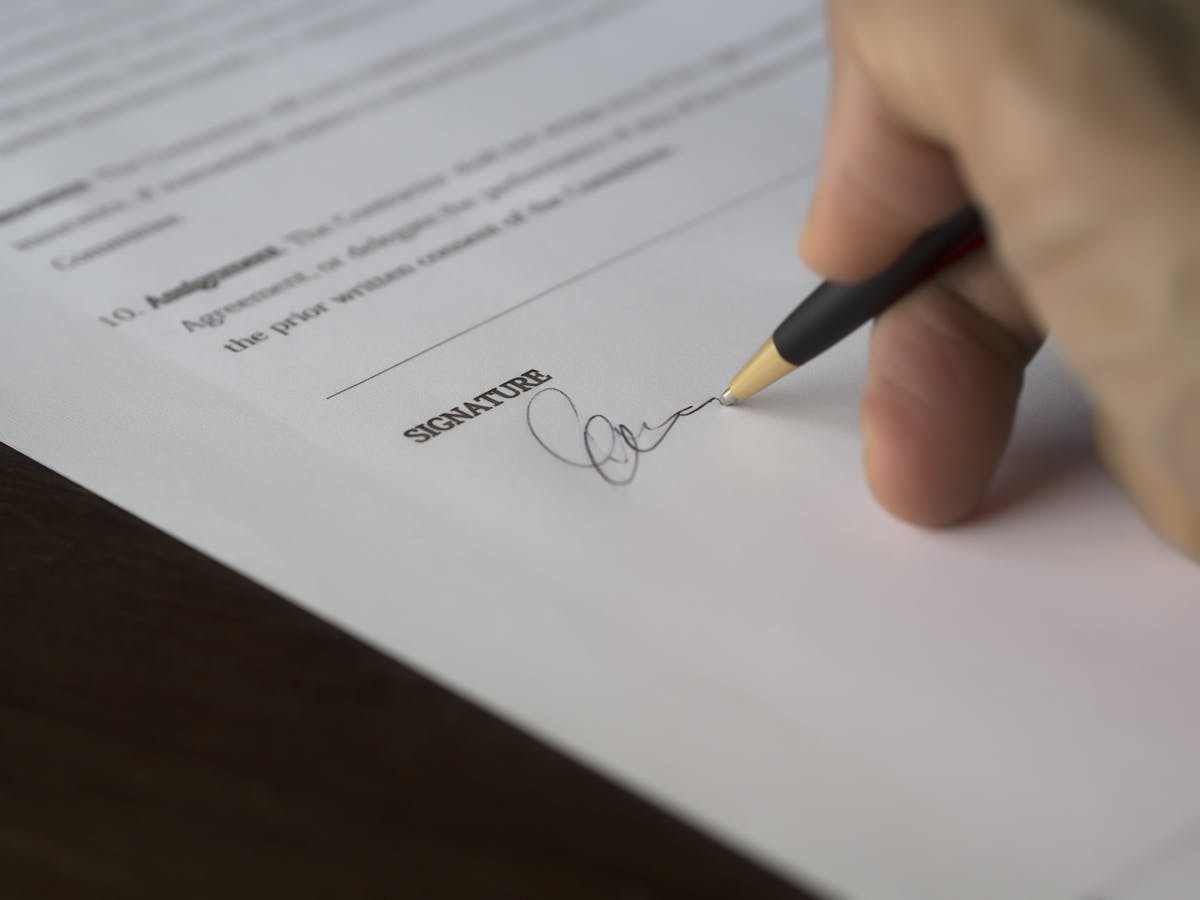
Photo via Pexels
Snowbirds live in two states, and car paperwork is where that double life causes the most trouble. The rules that feel automatic at home do not automatically apply in Florida, and the mistakes are rarely dramatic. They are quiet: a title transfer that never got finished, an insurance policy that does not cover the car where it actually sits, a registration that lapsed while you were a thousand miles away. By the time any of them surfaces, fixing it long distance is slow, frustrating, and sometimes expensive.
This guide covers the paperwork a snowbird needs to understand when buying, owning, and selling a car in Florida: title transfer, registration, insurance, and the tax questions that come with a two-state life. It is stable, general guidance, not legal advice, and for anything unusual you should talk to the Lee County Tax Collector or your insurer directly. But for the ordinary snowbird purchase, this is what you need to know.
The single most important habit is finishing paperwork while you are still in Fort Myers. Almost every paperwork problem a snowbird faces comes from leaving the state with something unfinished. If you finish it here, in person, with the documents in hand, the rest of your season is simple.
Title transfer: the 30-day rule
When you buy a car in Florida, the title must be transferred into your name within 30 days. That sounds generous until you remember that a snowbird's calendar is set by flights, and thirty days can pass quickly when you are settling into a new season or packing up to leave. The transfer is done at the Lee County Tax Collector's office, and it requires the signed title, your identification, and proof of Florida insurance if you are registering the car in Florida.
The title itself deserves a careful look before you buy. Make sure the seller's name matches the name on the title, that there is no lien listed without a release, and that the vehicle identification number and the mileage on the title match the car in front of you. A title with a lien that was never released, a name that does not match, or a mileage discrepancy will stall the transfer, and the Tax Collector will not complete it until the problem is resolved.
If you are selling or trading a car, the same care applies in reverse. Sign the title correctly, record the mileage accurately, and keep a copy of the bill of sale with the buyer's name and the date. A title that you signed wrong, or a sale with no paper trail, can leave you legally connected to a car you no longer own. Our guide to Florida title, registration, and insurance walks through the transfer step by step, and it is the best companion to this article.
Registration: Florida, your home state, or both?
The question every snowbird asks is which state to register in. There is no single right answer, and the right one depends on where the car is kept, how long it stays in Florida, and what your insurer requires. What matters is that you decide deliberately, and that the registration matches the reality of where the car lives.
If the car stays in Fort Myers year-round, even while you are away for the summer, Florida registration is usually the simplest answer. The car is here, it is driven here, and it is stored here. Registering it in Florida means the Lee County Tax Collector has the record, the plates match the state where the car sits, and there is no ambiguity if anything happens while you are gone.
If the car travels with you, driven north in the spring and south in the fall, the answer is less clear-cut, and your insurer's view matters as much as the registration rules. Some insurers want the car registered where it is garaged most of the year. Others are comfortable with a seasonal pattern as long as it is disclosed. Talk to your insurer before you buy, not after, and get the answer in writing if you can.
One mistake to avoid is registering in one state and insuring in another without telling either side. That gap is where claims get complicated. Your registration, your insurance, and your garaging address should all tell the same story about where the car lives, and if that story changes, update all three.
Insurance: PIP, PDL, and the seasonal gap
Florida requires insurance that includes PIP, personal injury protection, and PDL, property damage liability, before a car can be registered in the state. If you are registering in Florida, you will need a Florida policy, or a policy from your home-state insurer that meets Florida's requirements and is filed correctly. Do not assume your existing policy qualifies. Call your insurer, tell them the car will be in Florida, and ask specifically whether the coverage meets Florida's requirements for registration.
The seasonal gap is the other insurance trap. A car that sits in a Fort Myers garage all summer still needs coverage, and the right coverage for a stored car is not always the same as the coverage for a car in daily use. Some snowbirds reduce coverage while they are away, but dropping coverage entirely can leave the car unprotected against theft, storm damage, or a flooded street during a summer downpour, and it can also create a gap that makes the next policy more expensive. Talk to your insurer about storage options before you leave, and do not let the policy lapse without a plan.
Hurricane season deserves a specific mention. A car parked in a low area near the Caloosahatchee River, or on a street that floods in heavy rain, is at real risk during a summer storm. Make sure your coverage includes the protection you would actually need, and park the car somewhere that will stay dry. Insurance is not a substitute for a good parking spot, but it is the backup when a storm does what storms do.
Sales tax and the trade-in credit
Florida charges 6 percent state sales tax plus a county surtax on a vehicle purchase, and the tax is due when the title is transferred. For a snowbird, the most important tax fact is the trade-in credit: when you trade in a car as part of the same transaction, the tax is calculated on the difference between the price of the car you are buying and the value of your trade, not on the full price. That is a real saving, and it is one of the strongest reasons to trade rather than sell privately when the numbers are close.
The credit only applies when the trade and the purchase happen in the same transaction, with the same seller, and the paperwork has to show it clearly. If you sell your old car privately up north and then buy in Florida, you pay tax on the full purchase price. That difference is worth calculating before you decide how to sell the old car.
There is also the question of whether you owe tax in your home state as well. That depends on your home state's rules, and it is worth a call to your home state's motor vehicle office before you buy. The general principle is that you should not be taxed twice on the same purchase, but the paperwork that proves it has to be done correctly, and it is easier to get it right at the time of purchase than to fix it months later. Our guide to trading in a car as a snowbird explains the credit and the timing in more detail.
Buying, selling, and storing across the seasons
The paperwork does not end when you buy the car. If you sell a car while you are in Florida, you need to sign the title correctly, file a notice of sale if your state requires one, and keep a copy of the bill of sale. Removing the plates and canceling the insurance on the right day matters too, since a car that is sold but still insured in your name is a liability you do not need.
Storage paperwork is simpler, but it still deserves attention. If the car sits for months, make sure the registration does not lapse while you are away, and set a reminder for the renewal date. A lapsed registration discovered at the start of the season means a trip to the Tax Collector before you can drive anywhere, and in the busy weeks of snowbird season that trip can take longer than you expect.
Keep a file for the car in both homes. Title, registration, insurance card, service records, and the bill of sale, copied and kept in Fort Myers and in your home state. If something goes wrong while you are in the other state, the person helping you will need those documents, and a file that exists only in a drawer a thousand miles away is no help at all.
The paperwork checklist before you leave Florida
Before you head north, run through this checklist. Title transferred and in your name. Registration current, with the renewal date noted. Insurance in force, with the garaging address correct and storage coverage confirmed. A copy of every document in both homes. And if you bought or sold a car this season, a bill of sale with the date, the vehicle identification number, and both parties' names.
If you are buying at the end of your stay, do not let the flight schedule rush the paperwork. Finish the title transfer at the Lee County Tax Collector before you leave, and confirm that the registration is complete. A car bought on your last day, with the paperwork promised for later, is a car you do not fully own yet, and sorting that out from up north is the kind of problem that takes weeks instead of an afternoon. For the broader buying process, our guide to buying a used car in Florida covers the steps in order, from the first look to the finished paperwork.
Frequently asked questions
How long do I have to transfer a title in Florida? Thirty days from the date of purchase. The transfer is done at the Lee County Tax Collector's office, and you will need the signed title, your identification, and proof of Florida insurance if you are registering the car in Florida. Do not leave the state with the transfer unfinished.
Do I need Florida insurance if I am only here for the season? If you register the car in Florida, yes, you will need insurance that meets Florida's requirements, including PIP and PDL coverage, before the registration can be completed. If you register in your home state, talk to your insurer about whether your existing policy covers a car kept in Florida for months at a time.
Can I register a car in Florida if I am not a full-time resident? In general, yes, if the car is kept in Florida. The Tax Collector's office can confirm what documentation you need. Bring your identification, the signed title, and proof of insurance, and ask about any additional requirements for your situation.
What happens if my registration lapses while I am up north? You will need to renew it before you can legally drive the car again in Florida. Set a reminder for the renewal date before you leave, and renew online or by mail if that option is available to you. A lapsed registration discovered on arrival day means a trip to the Tax Collector before you can get on the road.
Should I keep the same insurance all year, or change it for the summer? Talk to your insurer before you leave. Some snowbirds reduce coverage while the car is stored, but dropping coverage entirely can leave the car unprotected against theft or storm damage, and a gap in coverage can make the next policy more expensive. Get the storage options in writing, and never let a policy lapse without a plan.
Paperwork is the least exciting part of buying a car, and it is the part that causes the most trouble when it is done wrong. Finish it while you are still in Fort Myers, keep copies in both homes, and talk to your insurer before you buy. If you have questions about the paperwork on a car you are considering, browse the inventory, call Joe at (239) 364-0709, or book an appointment to talk it through in person.
Questions about a car?
Call Joe — he’ll give you a straight answer and, if there’s a car you like, have it ready for a test drive.
Book an appointmentBrowse inventory

