Joes’ Cars Fort Myers · Snowbird & Seasonal
A Snowbird's Guide to Buying a Car in Whiskey Creek
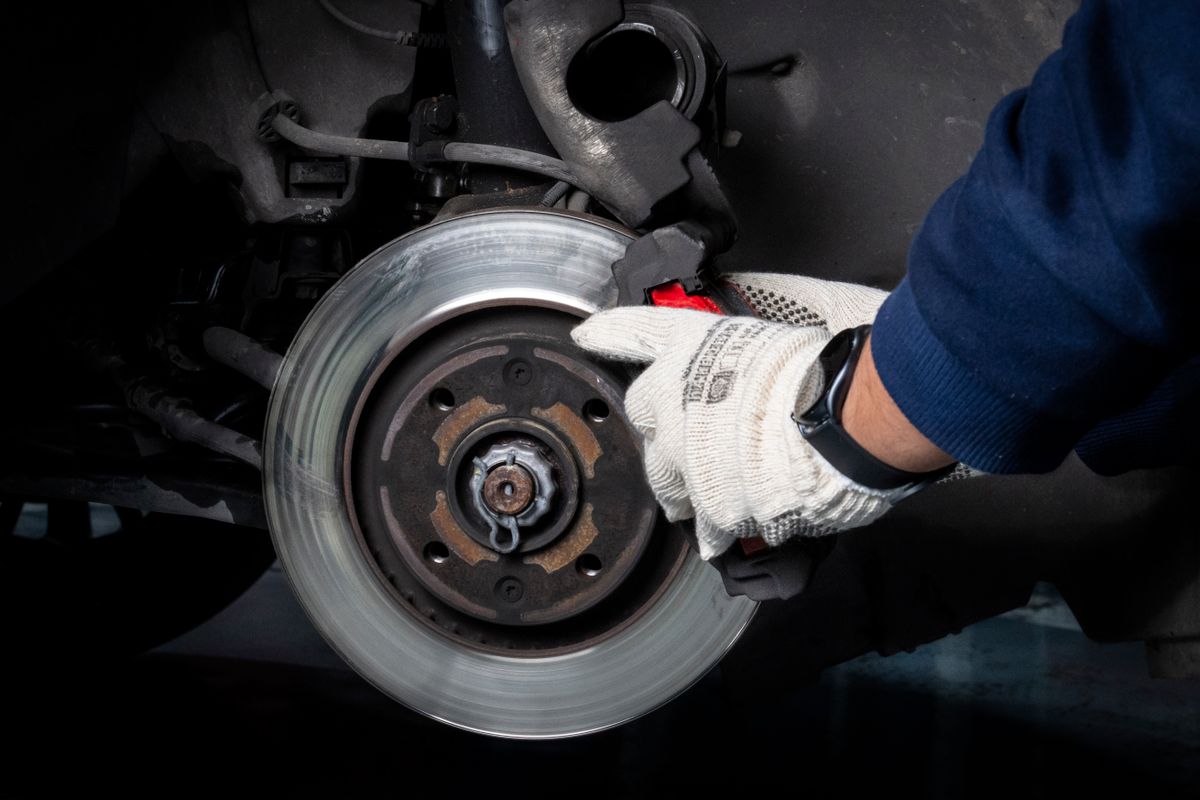
Photo via Pexels
Whiskey Creek is a natural home for snowbirds. The golf community of villas and single-family homes south of Fort Myers offers quiet creek-side streets, a golf course at the center of daily life, and a short drive up US-41 to everything else in Lee County. For seasonal residents who spend the winter here and the summer up north, a car is not a luxury. It is the difference between enjoying the season and being stuck at home. The question is not whether to have a car in Whiskey Creek. It is how to buy one, register it, insure it, and care for it while you are away.
This guide covers the whole snowbird car story in Whiskey Creek: when to buy, what kind of car fits a seasonal life, how registration and insurance work for a part-time Florida resident, and what to do with the car during the long summer months when you are gone. If you are planning your first winter in Whiskey Creek, or you have been coming for years and are ready to stop renting, this is the guide to read before you shop.
The drive from Whiskey Creek to Joe's lot is about fifteen minutes by Whiskey Creek Drive and US-41, and the buying process is the same one your year-round neighbors follow. The parts that are different for a snowbird are the timing, the paperwork, and the summer storage, and those are the parts this guide focuses on.
When to buy: timing the season
Timing is the snowbird's biggest advantage and biggest trap. The best time to buy is early in the season, when you arrive and the selection is widest. Buying early gives you the whole winter to enjoy the car, and it gives you time to sort out the registration and insurance without rushing. It also means you can test drive on the roads you will actually use, in the traffic you will actually face, rather than buying in a hurry at the end of a short visit.
The worst time to buy is at the end of the season, when you are about to leave. A car bought in a rush, with no time for a proper inspection or a pre-purchase check by a mechanic, is a car you may regret all summer while it sits in a Florida garage. If you find a car you love late in the season, buy it only if you have time to inspect it properly and complete the paperwork. Otherwise, wait until you return.
Think about the rhythm of the season. Snowbird season runs from late fall through spring, and the roads fill up as the season builds. US-41 carries much heavier traffic in the winter months, and the drive from Whiskey Creek to the rest of Fort Myers takes longer than it does in the summer. A car that is comfortable in slow traffic, with good visibility and a smooth transmission, will serve you better than one that is fast on an open road.
What kind of car fits a snowbird life
A snowbird's car has a specific job: comfortable daily driving for a few months, then months of sitting still. The best fit for most seasonal residents in Whiskey Creek is a comfortable sedan or a midsize SUV. A sedan is easy to park in a villa driveway, economical on the run up US-41, and simple to maintain. A midsize SUV adds cargo space for golf clubs, groceries, and the luggage that comes with a seasonal move, plus a higher seating position that helps on the creek-side streets.
Reliability matters more for a snowbird than for a year-round resident, because a car that breaks down in January is a problem, and a car that will not start in November after sitting all summer is a bigger one. Choose a car with a reputation for durability and a full maintenance history. Avoid cars with high mileage and no records, and avoid anything that needs work right away. The car should be ready to drive the day you arrive, not a project that eats your first two weeks in Florida.
Air conditioning is non-negotiable. Even in the winter months, a Florida afternoon can be warm, and a car that has sat in the sun needs a system that cools quickly. Turn the air conditioning on during your visit and let it run for several minutes, checking that cold air comes from every vent. Check the tires for cracking from the sun and the heat, since a car that sits for months can develop flat spots and dry rot. Our guide to how to buy a used car in Florida covers the inspection in detail.
Registration and the Lee County Tax Collector
Registration is the part of the process that worries snowbirds most, and it is simpler than it looks. In Florida, the title must be transferred within thirty days of the sale, and the transfer happens at the Lee County Tax Collector. You will need the signed title, proof of insurance, and identification. Bring the bill of sale as well, since it records the date and the terms of the purchase.
Florida charges a six percent state sales tax on a vehicle purchase, plus a county surtax that applies in Lee County. The Tax Collector calculates the amount at the time of transfer, so ask for the total before you go and have the payment ready. You will also pay for the title transfer and the registration, and you will receive a new registration and a license plate or a transfer of your existing plate.
The question snowbirds ask most often is whether they need a Florida license or Florida plates. If you are a part-time resident who maintains a home and a license in another state, you can generally register and insure a car in Florida while keeping your out-of-state license, but the rules depend on your specific situation, including how long you stay and whether you claim Florida residency. Talk to the Tax Collector and your insurer before you buy, and get the answer that fits your circumstances rather than relying on what a neighbor did. Our guide to Florida title, registration, and insurance walks through each step.
Insurance for a part-time Florida resident
Insurance is the second piece of the snowbird puzzle, and it deserves the same care as registration. Florida requires personal injury protection and property damage liability coverage, and you must have proof of insurance to register the car. Call your insurer before you buy, and ask specifically about insuring a car that will be in Florida for part of the year and stored for the rest.
Tell your insurer the truth about how the car will be used. A car that sits in a garage for months needs different coverage than one that is driven every day, and some insurers offer storage or reduced-use options for the months you are away. Ask about comprehensive coverage during storage, since a car in a Florida garage still faces risks from storms, leaks, and pests. If you are financing the car, your lender will require comprehensive and collision coverage, so confirm those details before you sign.
Get quotes before you buy, because the same car can cost very different amounts to insure depending on the model, the safety features, and your driving record. Ask about discounts for safe driving, for garaging the car, and for anti-theft equipment. If the car will be parked in a gated community or a garage, mention it, since garaged cars can qualify for better rates. Our guide to what your monthly payment really covers helps you see the full cost of ownership beyond the loan.
The summer problem: storing a car in Florida
The hardest part of snowbird car ownership is not buying the car. It is the summer, when you are gone and the car sits in the Florida heat, humidity, and hurricane season for months. A car that is stored properly will start right up when you return in the fall. A car that is stored badly can cost you a battery, a set of tires, and a moldy interior.
Start with the battery. A battery that sits unused for months will drain, and the Florida heat speeds up the process. A battery maintainer, sometimes called a trickle charger, keeps the battery charged while you are away, and it is the single best investment for a stored car. If you cannot use one, have a neighbor or a friend start the car and let it run for twenty minutes every couple of weeks, and drive it around the block if possible.
Fill the fuel tank before you leave, and add a fuel stabilizer, since fuel degrades over months and can cause starting problems in the fall. Change the oil before storage, since used oil contains acids that can damage the engine while it sits. Inflate the tires a little above normal pressure to resist flat spots, and park on a level surface out of direct sun if you can. Wash the car before you leave, since dirt, sap, and bird droppings eat at the paint over a long summer.
Inside the car, clean it thoroughly and remove anything that can mold or attract pests. Leave a moisture absorber inside, crack the windows slightly if the car is in a secure garage, and cover the car with a breathable cover rather than a plastic tarp, which traps moisture. Check on the car through a neighbor or a property manager, and have them look for leaks, pests, and any sign of water intrusion after the big summer storms. Hurricane season runs through the summer, and a car in a low area near the creek needs to be checked after every major storm.
The return: waking the car up in the fall
When you return in the fall, do not just turn the key and drive. Walk around the car and look for damage, leaks, and pests. Check the tires for flat spots and cracking, and check the pressure before you drive. Check the oil and the coolant, and look underneath for any sign of a leak that developed over the summer. Check the brakes by pressing the pedal firmly before you move, and listen for grinding on the first few stops, since surface rust on the rotors is normal after months of sitting but should clear quickly.
Start the car and let it idle for a few minutes, then turn on the air conditioning and check that cold air comes from every vent. A musty smell when the system first runs can mean mold in the evaporator, which is common on cars that sat closed in the Florida humidity. Take the car for a short drive around the neighborhood before you head out onto US-41, and listen for anything unusual. If the car does not start, does not cool, or makes a noise it did not make in the spring, have it checked before you rely on it.
Plan a service visit early in the season. An oil change, a tire check, a brake inspection, and an air conditioning service will catch the problems that storage creates and give you a reliable car for the winter. It is a small investment that pays for itself in peace of mind.
Buying smart as a snowbird
The smartest snowbird purchase is a car that is simple, reliable, and ready to drive. Buy early in the season, inspect it carefully, get a pre-purchase inspection from a mechanic you trust, and complete the registration and insurance before you need the car every day. Choose a car that fits your villa driveway and your daily routine, not the biggest or the flashiest one on the lot. And plan the summer storage before you buy, not after, since the storage plan decides whether the car is ready when you return.
Talk to Joe about your situation. A seller who understands the snowbird life can help you find a car that fits it, and can tell you honestly whether a particular car is right for months of sitting and months of driving. For the full buying process, our complete buying guide for Whiskey Creek walks through the inspection and the paperwork, and our guide to the best commuter cars for Whiskey Creek covers the daily drive on US-41 and Colonial Boulevard.
Frequently asked questions
When is the best time for a snowbird to buy a car in Whiskey Creek? Early in the season, when you arrive and the selection is widest. Buying early gives you the whole winter to enjoy the car and time to complete the registration and insurance without rushing. Avoid buying in a rush at the end of the season.
Do I need a Florida driver's license to register a car here? Not necessarily. Many part-time residents register and insure a car in Florida while keeping an out-of-state license, but the rules depend on your situation, including how long you stay and whether you claim Florida residency. Check with the Lee County Tax Collector and your insurer before you buy.
How do I keep my car safe while I am away for the summer? Use a battery maintainer, fill the fuel tank with stabilizer, change the oil before storage, inflate the tires slightly above normal, and clean the car inside and out. Use a breathable cover, leave a moisture absorber inside, and have a neighbor or property manager check on the car after major storms.
What insurance do I need for a car that sits unused for months? Florida requires personal injury protection and property damage liability coverage to register the car. Ask your insurer about storage or reduced-use options for the months you are away, and keep comprehensive coverage during storage, since a garaged car still faces storm, leak, and pest risks.
What should I check when I return in the fall? Walk around the car for damage and leaks, check the tire pressure and the fluids, and look underneath for any sign of trouble. Start the car, let it idle, test the air conditioning, and take a short drive around the neighborhood before heading onto US-41. Plan a service visit early in the season.
A snowbird's car in Whiskey Creek is freedom for the winter and a responsibility for the summer, and the right purchase handles both. Buy early, choose a reliable car that fits your life, sort out the registration and insurance with the Tax Collector and your insurer, and plan the summer storage before you leave. When you are ready, browse the inventory to see what is on the lot today, or call Joe at (239) 364-0709 to talk through your season, your storage plan, and the car that fits both. You can also book an appointment through the contact page, and seasonal neighbors in nearby Villas and Cypress Lake follow the same rhythm every year.
Questions about a car?
Call Joe — he’ll give you a straight answer and, if there’s a car you like, have it ready for a test drive.
Book an appointmentBrowse inventory

