Joes’ Cars Fort Myers · Snowbird & Seasonal
A Snowbird's Guide to Buying a Car in San Carlos Park
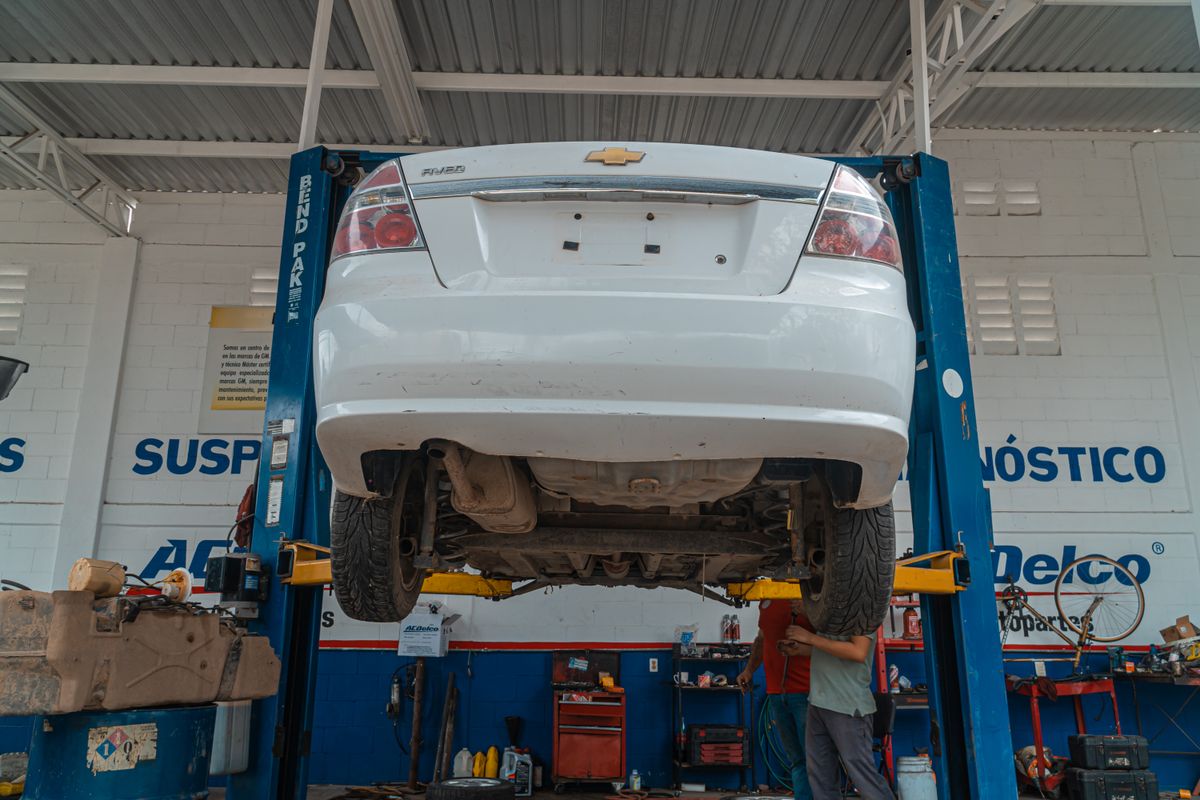
Photo via Pexels
Every November, the seasonal residents arrive in Lee County. They come down from the north to spend the winter in the warmth, and many of them arrive in San Carlos Park — a large, family-friendly residential community south of Fort Myers along US-41, near Three Oaks Parkway, with quiet streets, gated communities, and easy access to the beaches, the shopping, and the rest of Southwest Florida. And every year, a good number of them decide that renting a car for six months is not the answer, and that buying one is.
Buying a car as a snowbird is not quite the same as buying one as a full-time resident. The timing is different. The registration is different. The insurance is different. And the car itself needs to be a different kind of car: one that can sit unused for six months of the year and still start reliably when you return, one that is comfortable in the winter traffic and the summer heat alike, and one that is simple enough that you do not need to learn a new vehicle every November. This guide walks through all of it, from the best time to buy to what to do with the car when you head north again.
When Snowbirds Buy
Timing is the first decision, and it matters more than most buyers expect. The best time to buy is usually early in the season — October or November, when you have just arrived and the winter is ahead of you. The cars on Joe's lot are fresh from the dry season, the market is quiet before the full rush of arrivals, and you have months of driving ahead to enjoy the car before you head north again. Buying early also gives you time to get the registration and insurance sorted without rushing, and time to get comfortable with the car on the local roads before the holiday traffic arrives.
The worst time to buy is usually the middle of the season, when everyone is here and everyone is shopping at once. The lots are busier, the good cars move faster, and the roads are at their most crowded — which makes a proper test drive harder. If you arrive in January or February and need a car, do not rush. Browse the inventory first, call Joe at (239) 364-0709 to see what is available, and take the time to check the car properly. A car bought in a hurry is a car bought with regrets.
There is also a case for buying at the end of the season, in April or May, if you plan to leave the car here over the summer. The market quiets down as the seasonal residents leave, and the cars that remain are often the ones that did not sell during the rush — which does not mean they are bad cars, only that they were not the first choice. If you buy in the spring, you have the summer to get the car serviced, sorted, and ready for your return in the fall. Just be sure you understand the storage question, which we cover below.
Registration and the Lee County Tax Collector
Registration is the part of snowbird car buying that causes the most confusion, so let us be clear about it. If you buy a car in Florida and you are a Florida resident — even a seasonal one with a Florida address — you register it in Florida, at the Lee County Tax Collector. Florida gives you 30 days to transfer the title and register the car in your name, and the Tax Collector's office handles both the title transfer and the registration. Bring the signed title, your driver's license, proof of Florida insurance, and the bill of sale. The state sales tax is 6 percent plus the county surtax, and the Tax Collector will collect it at the time of transfer.
If you are not a Florida resident and you plan to take the car back north, the rules are different, and you should talk to the Tax Collector's office before you buy. Some snowbirds register the car in their home state instead, which means a different set of paperwork and a different timeline. The key is to ask before you sign anything. Call the Lee County Tax Collector's office, explain your situation, and get a straight answer about what you need to bring and what you need to do. It is a short phone call that saves a long headache.
Our guide to Florida title, registration, and insurance covers the full list of what to bring and what to expect, and our complete guide to buying a used car in San Carlos Park walks through the whole process from the drive up US-41 to the paperwork. Read both before you head to the Tax Collector's office, and bring everything on the list. A missing document means a second trip.
Insurance for a Seasonal Car
Insurance is the second part of the snowbird question, and it is just as important as the registration. In Florida, the minimum insurance is PIP and PDL coverage, and you will need proof of it before you can register the car at the Lee County Tax Collector. Call your insurer before you buy, and ask what a Florida policy will mean for you. If you already have a policy in your home state, ask whether it covers a car in Florida, and whether you need a separate Florida policy. Do not assume. The rules vary by insurer and by state, and the only way to know is to ask.
The storage months are the part most snowbirds forget about. When you head north in the spring and the car sits unused in Florida for six months, you still need insurance on it — or you need to understand exactly what happens if you drop the coverage. A car with no insurance that is damaged in a summer storm, or that is stolen, or that is hit in a parking lot, is a car you are paying for out of your own pocket. Some insurers offer a storage option that reduces the coverage while the car is parked, and that can save money without leaving you unprotected. Ask your insurer about it before you leave.
The car you choose affects the insurance cost too. A modest sedan or small SUV with good safety ratings will cost less to insure than a powerful or expensive car. And a car that is older and less expensive to repair will generally cost less to insure than a newer, more valuable one. Do not choose a car based on insurance alone, but do not ignore the insurance cost either. It is part of the real price of the car.
The Right Car for Six Months a Year
A snowbird's car has a peculiar job: it must be reliable for six months of regular use, and then it must survive six months of sitting still. That second half is the harder one. A car that sits unused in the Florida summer — in the heat, the humidity, and the afternoon thunderstorms — needs to be a car that tolerates neglect without complaint. Simple cars do this better than complicated ones. A car with a straightforward engine, a simple electrical system, and no exotic features will start more reliably after six months in a garage than a car full of electronics that drain the battery while it sits.
The battery is the first thing to think about. A car that sits for six months will have a dead battery when you return, unless you take steps to prevent it. A battery tender — a small device that keeps the battery charged while the car is parked — is one of the best investments a snowbird can make. It costs little, it plugs into a normal outlet, and it means the car starts on the first try in November instead of the fifth. If you do not have a tender, at least disconnect the battery before you leave, and expect to need a jump or a new battery when you return.
The tires are the second thing. A car that sits in one place for six months can develop flat spots in the tires, and the heat and sun wear rubber faster in Lee County. Before you leave, inflate the tires to the recommended pressure — a little over is better than under for storage — and consider moving the car a few feet every month if someone is around to do it. When you return, check the tires carefully before you drive: look for cracking on the sidewalls, check the pressure, and drive slowly for the first few miles while the tires warm up and round out.
Where Snowbirds Drive Here
A snowbird's driving in San Carlos Park is a particular kind of driving. It is the trip to the grocery store, the drive to the beach, the run up US-41 into Fort Myers for shopping and dining, and the occasional longer trip — to the River District, to Sanibel, to the farmers market in Bonita Springs. It is not a commute, and it is not a road trip. It is a series of short, pleasant drives on roads that are busier in the winter than in the summer, with other drivers who are also seasonal and also still learning their way around.
The car that fits this life is comfortable, easy to park, and easy to see out of. A sedan or a small SUV is usually the right answer. A large truck or a large SUV is harder to park in the crowded winter lots, and it uses more fuel on the short trips that make up a snowbird's week. Our guide to the best commuter cars for life in San Carlos Park covers the daily-driving question, and our guide to the best family SUVs for San Carlos Park drivers covers the larger end of the same question.
The roads themselves deserve a mention. US-41 is the main road, and it is busy in the winter: commuters, delivery trucks, school buses, and visitors who are still reading the signs. Take your time. Leave extra space in front. Watch for cars turning across traffic. And learn the alternate routes — I-75 north to the Colonial Boulevard exit, Three Oaks Parkway, and the back roads through Estero — so you are not stuck on US-41 every single time you need to go somewhere.
Leaving It Behind: Storage and Care
When the season ends and you head north, the car needs to be put to bed properly. A car that is stored well will start in November. A car that is stored badly will not, and the repair bill will be the first thing you deal with when you return. The steps are simple, and they are worth doing carefully.
First, fill the fuel tank and add a fuel stabilizer. A full tank leaves less room for condensation, and the stabilizer keeps the fuel from going stale over the summer. Second, change the oil before you leave, not after you return. Used oil contains acids and contaminants that corrode the engine while it sits. Third, wash the car thoroughly, including the underside, to remove the salt and the road grime. Salt air works on the underside a little at a time, and a clean car corrodes more slowly than a dirty one.
Fourth, take care of the battery — a tender if you have one, a disconnect if you do not. Fifth, cover the car if it will sit outside, or park it in a garage if you can. The Florida sun is hard on paint, on tires, and on interiors, and a cover or a garage makes a real difference over six months. Sixth, leave the parking brake off and chock the wheels instead. A parking brake that sits engaged for six months in the humidity can seize, and a seized brake is a repair you do not need on your first day back.
Finally, ask someone to check on the car. A neighbor, a friend, a property manager — anyone who can look in once a month, start the car, and let it run for a few minutes. A car that runs for a few minutes every month is a car that stays healthy. A car that sits untouched for six months is a car that forgets how to be a car.
Frequently asked questions
When is the best time for a snowbird to buy a car in San Carlos Park? Early in the season — October or November — when the market is quiet, the cars are fresh from the dry season, and you have months of driving ahead. Avoid rushing a purchase in the middle of the season when the lots are busy and the good cars move fast.
Do I register the car in Florida or in my home state? If you are a Florida resident, even a seasonal one with a Florida address, you register it in Florida at the Lee County Tax Collector. If you are not a Florida resident, call the Tax Collector's office before you buy and ask what applies to your situation.
What insurance do I need for a car in Florida? At minimum, PIP and PDL coverage, and you need proof of it before you can register. Call your insurer before you buy and ask whether your existing policy covers a car in Florida, and what a storage option looks like for the summer months.
How do I keep the car healthy while I am away for six months? Fill the tank and add fuel stabilizer, change the oil, wash the car including the underside, take care of the battery with a tender or a disconnect, cover the car or park it in a garage, leave the parking brake off, and ask someone to start it once a month.
What kind of car is best for a snowbird in San Carlos Park? A simple, reliable sedan or small SUV — comfortable, easy to park, easy to see out of, and simple enough to survive six months of sitting still. Avoid complicated electronics and high-maintenance features.
Browse the inventory and pick two or three cars to see, then call Joe at (239) 364-0709 to set a time — or book an appointment and come up US-41 for a look. The right car for your winters in San Carlos Park is worth the 20-minute drive.
Questions about a car?
Call Joe — he’ll give you a straight answer and, if there’s a car you like, have it ready for a test drive.
Book an appointmentBrowse inventory

