Joes’ Cars Fort Myers · Snowbird & Seasonal
A Snowbird's Guide to Buying a Car in McGregor
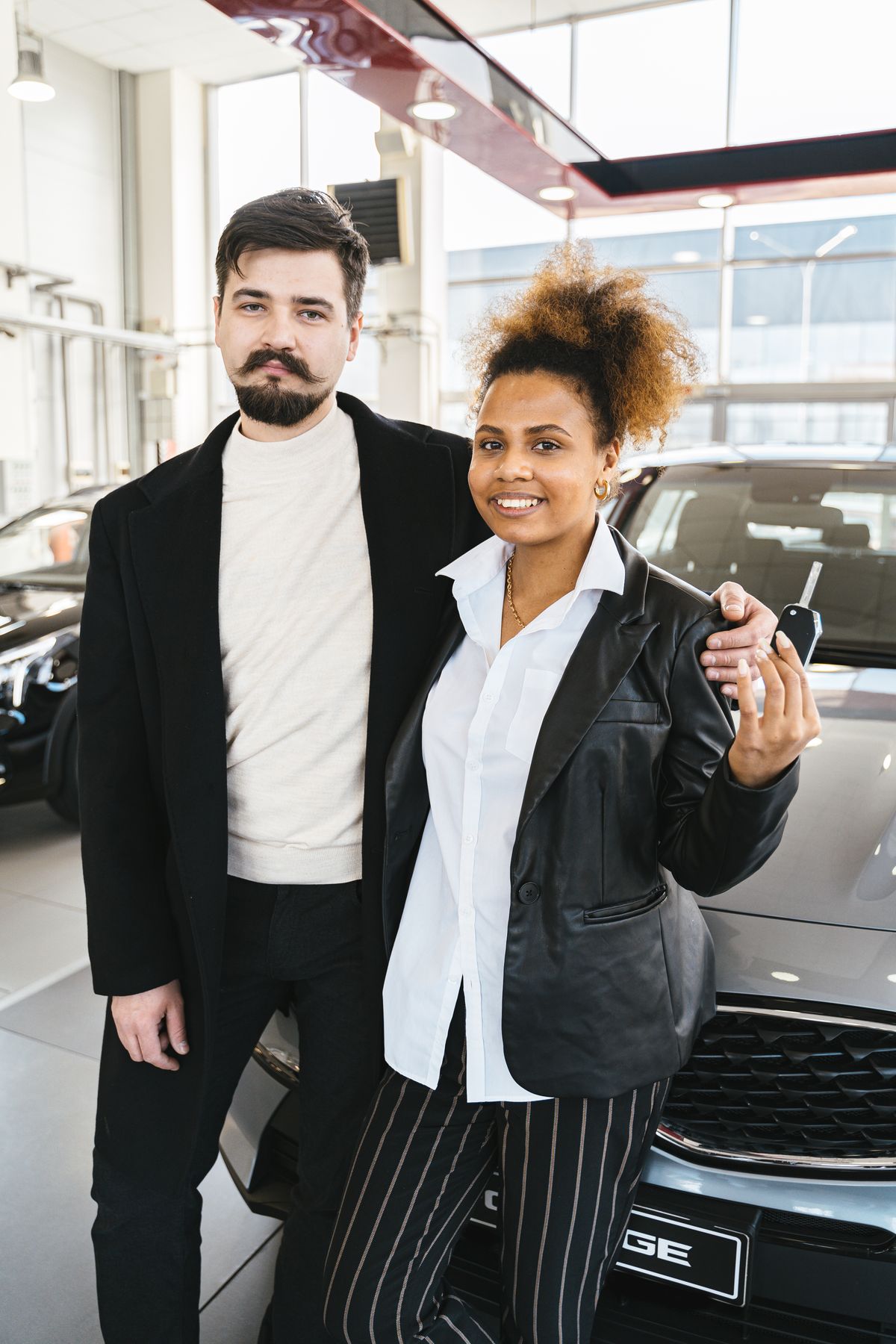
Photo via Pexels
Every fall, Fort Myers changes. The snowbirds arrive, the roads fill, the restaurants need reservations again, and the McGregor corridor comes alive in a different way. The royal palms are the same, the historic homes are the same, and the Caloosahatchee River is the same, but the neighborhood feels fuller, livelier, and busier. For many seasonal residents, the winter in McGregor is the best part of the year, and a car is what makes it work: the freedom to drive to the beach, to dinner in the River District, to family in Cape Coral, and to the airport without depending on anyone else.
Buying a car as a snowbird is different from buying as a year-round resident. Your timing is different, your paperwork is different, and your plans for the car when you head north are different. This guide walks through the whole process the way Joe walks seasonal buyers through it: when to shop, what kind of car fits a Florida winter, how registration and insurance work, and what to do with the car when the season ends. If you get those four things right, the car becomes the easiest part of your winter.
The drive from Joe's lot to McGregor is about fifteen minutes southwest on McGregor Boulevard, a pleasant run under the palms. Come see the cars in person when you arrive, take your time, and drive the ones you like on the roads you will actually use. A winter car should feel right on day one, because you do not have months to get used to it.
When to buy: timing your purchase around the season
Timing is the snowbird's biggest advantage, if you use it well. The best time to shop is early in the season, when you arrive and the selection is widest, or even before you arrive, by looking at the inventory online and narrowing your list. Buying early gives you the whole winter to enjoy the car, and it gives you time to sort out registration, insurance, and any service the car needs before the busy months. Buying late in the season, when everyone else is shopping too, means less choice and more competition for the good cars.
There is also a case for buying in the late spring or summer, if you are in Fort Myers then. The roads are quieter, the pace is slower, and you can shop without the pressure of snowbird season traffic. A car bought in the summer can be serviced, registered, and ready to go when you return in the fall, so your first week back is spent enjoying McGregor, not shopping for a car. Either way, the principle is the same: buy when you have time to choose carefully, not when you are in a rush.
Think about your arrival and departure dates when you plan the purchase. You will need time for the test drive, the paperwork, the title transfer at the Lee County Tax Collector, and insurance. Florida requires title transfer within thirty days of purchase, so do not leave the paperwork to the last days of your stay. Give yourself a comfortable margin, and get the registration done early in your visit rather than late. That way, if anything needs a second trip or a correction, you have time to handle it.
What kind of car fits a Florida winter
A snowbird's car has a specific job: it needs to be comfortable, reliable, easy to drive, and easy to park, for a season of daily use in Fort Myers. A sedan is the natural fit for the McGregor corridor, comfortable and quiet on the palm-lined boulevard, easy to park in tight lots, and efficient on the run to downtown Fort Myers or out to Colonial Boulevard. A convertible is the romantic choice, and on a breezy winter evening under the royal palms, it is hard to argue with. If you go that route, check the top carefully, because a top that leaks or sticks will spoil the experience fast. Our guide to buying a convertible in Florida covers what to look for.
A small or midsize SUV fits if you carry passengers often, bring golf clubs or beach gear, or visit family across the Midpoint Bridge or the Cape Coral Bridge. The higher seating position helps with visibility on McGregor Boulevard, where parked cars and palm trunks can block your view. A larger SUV or a truck is usually more car than a seasonal driver needs, and it costs more to fuel, insure, and park. The right winter car is the smallest car that does everything you actually do, because a smaller car is easier to live with for a season.
Air conditioning matters even in winter, because Fort Myers stays warm long after the north has turned cold. A car with strong AC, good ventilation, and a cabin that stays comfortable in the sun is worth more here than the same car would be up north. Check the AC at idle during your test drive, and sit in the back seat to see whether passengers stay comfortable. Comfort is the whole point of a winter car, so do not compromise on it.
Registration, title, and insurance for seasonal residents
Paperwork is where snowbird buyers have the most questions, and the answers are straightforward once you know them. Florida requires the title to be transferred within thirty days of the sale, and the transfer happens through the Lee County Tax Collector, which handles titles, registration, and license plates for the county. Bring the signed title, proof of Florida insurance, and identification, and check that the seller's signature and the odometer reading are filled in correctly before you leave the lot. A title with a mistake on it can mean a second trip, so take a minute to check it while Joe is right there to help.
Insurance is the other piece to sort out early. Florida drivers carry PIP and PDL insurance, and you will need proof of Florida insurance to register the car. Talk to your insurer before you buy, and get a quote on the exact car you are considering, because Florida rates vary by model and by where the car is parked. If you already insure a car up north, ask your insurer how a Florida car fits with your existing coverage, and make sure you understand what is covered while the car is in Florida and what is covered while it sits unused. For the full walkthrough, see Florida title, registration, and insurance.
Keep every document in one folder: the bill of sale, the signed title, your insurance card, and your registration. That folder is your proof of ownership, and it is also what you will need if you sell the car later or if anything needs to be sorted out. If you plan to sell the car when you leave, or to keep it for next season, that decision affects the paperwork too, so think it through before you buy, not after.
Where snowbirds actually drive in McGregor
A winter car in McGregor lives a pleasant life. Mornings might mean a drive down McGregor Boulevard to the Edison and Ford Winter Estates, or a run into the River District for coffee. Afternoons might mean a drive to Fort Myers Beach, a trip over the Sanibel Causeway to Sanibel and Captiva, or a visit to family in Cape Coral. Evenings might mean dinner downtown, a show, or a quiet drive home under the palms. A car that handles all of that comfortably, without fuss, is a car that earns its keep.
The roads you will use most are McGregor Boulevard itself, US-41, Colonial Boulevard, Summerlin Road, and Daniels Parkway. McGregor Boulevard is narrow and scenic, US-41 is busy and direct, Colonial Boulevard is the main east-west route to I-75, Summerlin Road leads to the beach, and Daniels Parkway serves the airport and the shopping centers. Your test drive should include McGregor Boulevard and at least one of the busier roads, so you know how the car feels in both worlds. A car that is comfortable on both is a car that fits a Florida winter.
Parking deserves a thought, too. Many McGregor homes have driveways shaded by old oaks, and many winter destinations have tight lots. A car that is easy to park, easy to see out of, and easy to maneuver in a crowded lot will make your winter easier every single day. Test the rearview camera, the mirrors, and the turning circle during your test drive, and park the car in a normal space to see how it feels. For the full buying process in this corridor, see our complete guide to buying a used car in McGregor.
Storing the car when you head north
What happens to the car when the season ends is a question to answer before you buy, not after. Some snowbirds sell the car at the end of the season and buy again next year. Some keep the car in Florida, stored in a garage or a storage facility, ready for the next winter. Some drive the car north and bring it back. Each choice has trade-offs, and the right one depends on how long you are gone, what the car is worth, and how much you want to deal with storage.
If you store the car in Florida, a few steps protect it through the summer. Park it in a covered, dry place if you can, and use a breathable cover rather than a plastic tarp that traps moisture. Keep the tires properly inflated, and consider a battery maintainer, because Florida heat drains batteries faster than most owners expect. Fill the fuel tank and add a fuel stabilizer if the car will sit for months. Have the car serviced before you leave, so it is clean, the fluids are fresh, and anything that needs attention is handled while you are still here. When you return, have it checked again before you drive it hard, because a car that has sat through a Florida summer deserves a once-over.
If you sell at the end of the season, keep your paperwork in order from day one, because a clean title, a service history, and a well-maintained car sell faster and for a better outcome. Either way, talk through your plan with Joe before you buy, because the plan affects which car makes sense. A car you will keep for years deserves a different choice than a car you will sell in six months.
Shopping smart: inspection checks for a winter car
A snowbird buying a car for the season should inspect it the same careful way any Florida buyer would. Start with the air conditioning and the cooling system, because both work hard here year-round. Run the AC on full cold at idle for several minutes, watch the temperature gauge in traffic, and check the coolant level and condition. Then check for rust underneath and around the doors, and look for signs of standing water in the trunk, the spare tire well, and the footwells. Salt air from the Caloosahatchee River and the coast, summer downpours, and hurricane season all leave their mark on cars in Lee County, and a careful look now saves trouble later. Our guide to flood and salt-air damage in Florida walks through these checks in detail.
Test every electrical system, every window, every lock, and all the lights. Check the tires for even wear and good tread, and make sure the spare, the jack, and the tools are present. Read the vehicle history report, and ask about the car's service history. A car with records showing regular maintenance is a much safer buy than a car with no records at all. Take a real test drive on McGregor Boulevard and out to US-41, with the radio off for part of the trip so you can listen for anything unusual. Our fifteen-minute test drive checklist will help you run the drive the same careful way every time.
Frequently asked questions
When is the best time for a snowbird to buy a car in McGregor? Early in the season, when you arrive and the selection is widest, or in the late spring and summer if you are here then, when the roads are quieter and you can shop without pressure. Buying early gives you the whole winter to enjoy the car and time to sort out paperwork without rushing.
How soon do I need to transfer the title after buying? Florida requires title transfer within thirty days of the sale, handled through the Lee County Tax Collector. Bring the signed title, proof of Florida insurance, and identification, and do it early in your visit rather than leaving it to the last days of your stay.
What kind of car is best for a Florida winter? A comfortable sedan or a small to midsize SUV with strong air conditioning, good visibility, and a reputation for reliability. A convertible is wonderful on McGregor Boulevard on a breezy evening, but check the top carefully for leaks and smooth operation before you buy.
Do I need Florida insurance for a car I only use in winter? Yes, you need proof of Florida insurance to register the car, and Florida drivers carry PIP and PDL coverage. Talk to your insurer before you buy, get a quote on the exact car, and make sure you understand what is covered while the car is in Florida and while it sits unused.
What should I do with the car when I head north? Decide before you buy. If you store it, park it covered and dry, keep the tires inflated, use a battery maintainer, and service it before you leave. If you sell it, keep your paperwork and service history in order from day one so the car is easy to sell at the end of the season.
Come see the cars when you arrive, and take your time choosing. Browse our inventory, pick the ones that fit your winter, and call Joe at (239) 364-0709 or book an appointment to test drive them down McGregor Boulevard. Your winter in McGregor should start with a car that feels like it was made for it.
Questions about a car?
Call Joe — he’ll give you a straight answer and, if there’s a car you like, have it ready for a test drive.
Book an appointmentBrowse inventory

