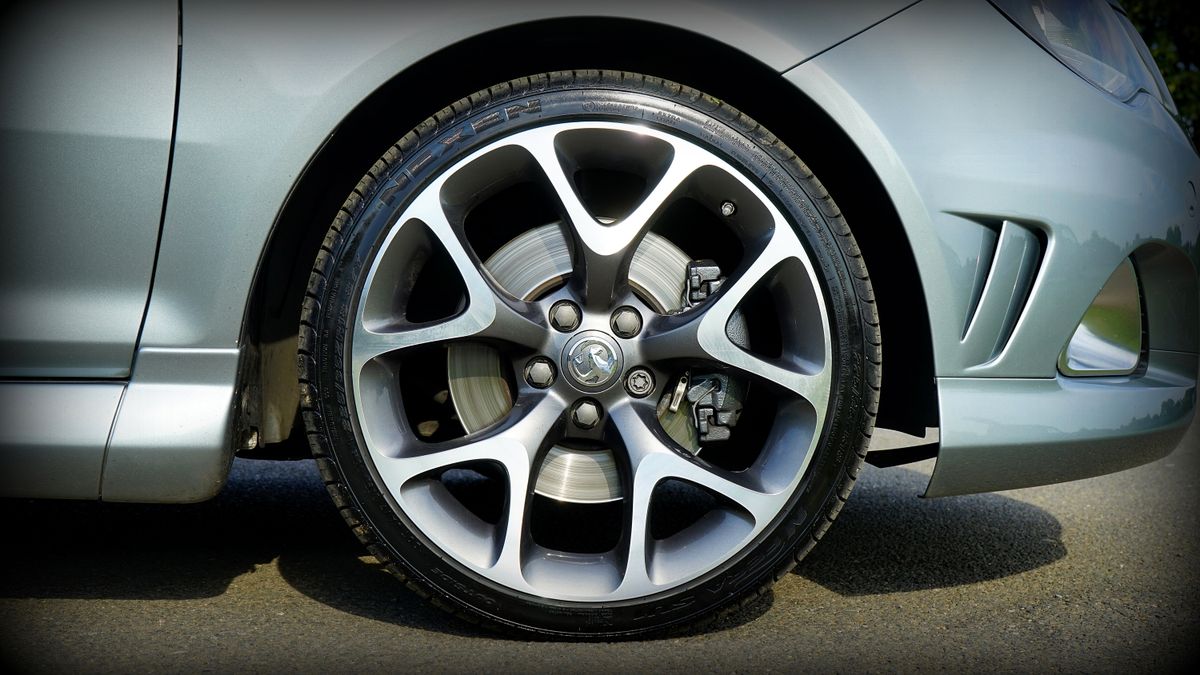
Photo via Pexels
There is no better place in the country to own a convertible than Southwest Florida, and there is no better place to sell one either, as long as you understand what a convertible buyer is actually buying. They are buying the feeling of the top down on a drive along McGregor Boulevard or over the Sanibel Causeway, but they are also buying a car with a soft or folding hard top, seals that keep out summer downpours, and an interior that has spent years under a Florida sun. A seller who shows off the open-air joy and is honest about the top, the seals, and the interior will sell a convertible faster than a seller who only shows the sunny side.
This guide covers how to sell a convertible in Florida, from preparing the top and the interior to pricing for the seasonal market and closing the deal. It is written for sellers in Fort Myers, Cape Coral, Naples, and the surrounding towns, where convertibles are part of everyday life, not a novelty.
Know what makes your convertible different
A convertible is not just a regular car without a roof. The top is a mechanical system with motors, hydraulics, latches, and seals, and it is the single most expensive thing that can go wrong. Before you list the car, operate the top yourself, several times, and watch and listen carefully. Does it open and close smoothly? Does it hesitate, grind, or stop partway? Does it seal tightly when closed, or can you see daylight around the edges? Does water leak in during a summer downpour? These are the questions every serious convertible buyer will ask, and you need to know the answers before they do.
The interior matters more on a convertible than on any other car, because it has spent its life exposed to sun, humidity, and the occasional rain shower that arrived faster than the top could close. Check the seats, the dashboard, and the carpets for sun fading, cracking, and mildew. Smell the interior with the top up on a warm day; a musty smell tells a buyer water has been getting in, even if you cannot see it. Check the rear window, whether it is glass or plastic, for clouding, cracks, or separation from the top material. These are the details that separate a convertible that feels loved from one that feels tired, and they are the details a buyer in Florida will check first, because they live with the same sun and the same storms you do.
Our guide to buying a convertible in Florida is written for buyers, but reading it will show you exactly what your buyer will be looking for, and where they will look for problems.
Prepare the top and the interior properly
Start with the top itself. Clean a soft top with a cleaner made for convertible tops, not a household detergent, and let it dry fully before closing it. A clean top photographs better and shows a buyer the car was cared for. Check the seals around the top and the windows for cracks, stiffness, or gaps, and clean them gently so they seat properly. If the top has a small tear or a worn spot, do not try to hide it with a patch that will peel off in the heat. Point it out honestly and let the buyer decide. A small, disclosed flaw is a negotiating point. A hidden flaw is a reason to walk away.
Then tackle the interior. Vacuum thoroughly, including under the seats and in the crevices where sand and leaves collect. Wipe down the dashboard, the door panels, and the seats, and treat leather if the car has it, because Florida sun dries leather out fast. Air the car out with the top down in a shaded spot if it smells musty, and check the trunk and the storage areas for moisture. If the car has a wind deflector, a boot cover, or any convertible-specific accessories, clean them and include them with the sale, because buyers notice when those pieces are missing and they are annoying to replace.
Fix the cheap things. A burned-out bulb, a cracked wiper blade, a missing boot cover clip, or a squeaky latch are small repairs that shape a buyer's first impression. Leave the expensive things, like a failing top motor or a hydraulic leak, alone and be upfront about them instead. A buyer would rather hear about a slow top from you than discover it themselves in a parking lot off US-41.
Take photos that sell the feeling, and the facts
Convertible photos should do two jobs at once: sell the dream, and prove the condition. Take photos with the top down in good light, showing the car from the front, the side, and the rear, with the interior visible and inviting. Then take the same set with the top up, so the buyer can see how the car looks closed and how the top fits. Photograph the top mechanism, the seals, the rear window, and the interior close up, including the seats, the dashboard, and any wear on the leather or fabric. If the car has a hard top that folds away, photograph it in both positions and show that it operates smoothly.
Early morning or late afternoon light is kinder than harsh midday glare, which washes out paint and hides detail. Shoot in an open spot with a plain background, and remove your personal items first, including beach gear, sunglasses, and toll transponders. A clean, empty convertible with the top down photographs like freedom, and that is exactly the feeling you want a buyer to have before they even call you.
Write the listing the same way: plain, honest, and specific. Give the year, make, model, trim, and mileage. Say how the top operates, how it has been maintained, and whether it has any issues. Say how long you have owned the car and why you are selling. If the air conditioning blows cold, say so, because even convertible owners in Florida close the top and run the air conditioning through the hottest part of the summer. If the car has always been garaged, say so too, because a garaged convertible holds up far better than one that lived outside under the sun.
Price for the Florida seasons
Convertibles have a seasonal rhythm in Florida, and it runs a little differently from the rest of the market. Demand is strongest from late fall through spring, when snowbird season brings buyers from colder states who arrive dreaming of top-down drives along the Gulf coast. Summer is quieter, and the heat and afternoon storms make convertible viewings less appealing, but serious buyers shop year-round, and a well-prepared convertible with an honest description will attract interest in any season.
Price the car for what it actually is, not for what it was when it was new. A convertible with a slow top, faded seats, and a cloudy rear window is not worth the same as a clean one with a top that works perfectly, and wishing does not change that. Be honest about the top and the interior, because those are the two things a buyer will check first, and a price that pretends they are perfect will only waste everyone's time.
Decide your bottom line before the first call comes in. Knowing the lowest number you will accept keeps every negotiation short and calm. And if the pricing puzzle feels like more trouble than it is worth, selling to a local buyer is a real option. Joes' Cars in Fort Myers takes trades and buys cars from sellers across Lee County and the surrounding towns, including convertibles, and a straightforward answer can be worth more than weeks of messages from people who never show up.
Show it safely and let the buyer work the top
When buyers start calling, set clear rules for viewings. Meet in a public place during daylight, somewhere with other people around, such as a busy shopping center lot off Colonial Boulevard or Daniels Parkway. Bring a friend or family member if you can. Never let a stranger take the car alone, and never hand over the keys without seeing their driver's license and proof of insurance first. Ride along on the test drive, and let the buyer operate the top themselves, both opening and closing it, so they can feel how it works and see that it seals properly.
Let the buyer drive a route that tells them something. A stretch on I-75 or US-41 shows how the car behaves at speed with the top up and the wind noise, while a slower run along McGregor Boulevard with the top down shows the car at its best. Encourage them to test the air conditioning, the windows, the radio, and anything else they care about. A buyer who gets a proper drive and finds the car solid is far more likely to make a real offer.
When an offer comes in, treat it as the start of a conversation, not an insult. If the offer is too low, say so plainly and name the number you would accept. If it is close, meet in the middle. Never accept a payment method you cannot verify on the spot, and never release the car until the payment has actually cleared.
Close the sale and hand over the keys
Once you agree on a price, write it down. A simple bill of sale with both names, the date, the vehicle identification number, the agreed terms, and both signatures protects everyone. Sign the title over exactly as the title requires, and be careful with the odometer disclosure. Remove your license plate before the buyer drives away, because in Florida the plate belongs to you, not the car. Cancel or transfer your insurance only after the car is gone, file a notice of sale the same day, and sweep the car for your belongings, checking the glove box, the trunk, under the seats, and the sun visors. Hand over both sets of keys, the owner's manual, and any convertible accessories like the boot cover and wind deflector.
If you would rather skip the private sale entirely, the simpler route is still open. Joes' Cars buys and takes trades from sellers across Southwest Florida. For the paperwork side, our guide to Florida title, registration, and insurance walks through it in detail, and if a trade is on your mind, our guide to trading in your old car covers what to bring and how it works.
Frequently asked questions
What should I check on my convertible before selling it? Operate the top several times and watch for hesitation, grinding, or leaks. Check the seals, the rear window, and the interior for sun damage, fading, and mildew. Those are the things a buyer will check first, so know the answers before they ask.
Is snowbird season the best time to sell a convertible in Florida? It can be, because seasonal residents arrive from late fall through spring dreaming of top-down drives, which adds buyers to the market. Summer is quieter, but serious buyers shop year-round, so a well-prepared convertible with honest photos will attract interest in any season.
Do I need to fix a slow or leaking top before selling? Not necessarily. Fix the cheap things and be honest about the expensive ones. A buyer would rather hear about a slow top from you than discover it themselves, and a disclosed flaw is a negotiating point, not a deal breaker.
Should I let a buyer operate the top during a viewing? Yes. Let them open and close it themselves so they can feel how it works and see that it seals properly. A buyer who is blocked from testing the top will assume you are hiding something.
What paperwork do I need to sell my convertible? The same as any car in Florida: the title in your name with no outstanding lien, your registration, and your driver's license. Prepare a signed bill of sale, remove your license plate, and file a notice of sale promptly after the deal closes.
Selling a convertible in Florida is about showing the joy and being honest about the top. Clean it properly, photograph it with the top down and the top up, describe the top and the interior plainly, and price it for what it actually is. If you would rather skip the private sale and get a straightforward answer instead, browse the inventory at Joes' Cars to see what we have, or call Joe at (239) 364-0709 to talk through selling or trading your convertible. You can also book an appointment and bring the car by in Fort Myers, top down if the weather is right, and we will take it from there.
Questions about a car?
Call Joe — he’ll give you a straight answer and, if there’s a car you like, have it ready for a test drive.
Book an appointmentBrowse inventory