Joes’ Cars Fort Myers · Buying Guide
Keeping Your Car Running: Maintenance Tips for Rideshare or Delivery Drivers
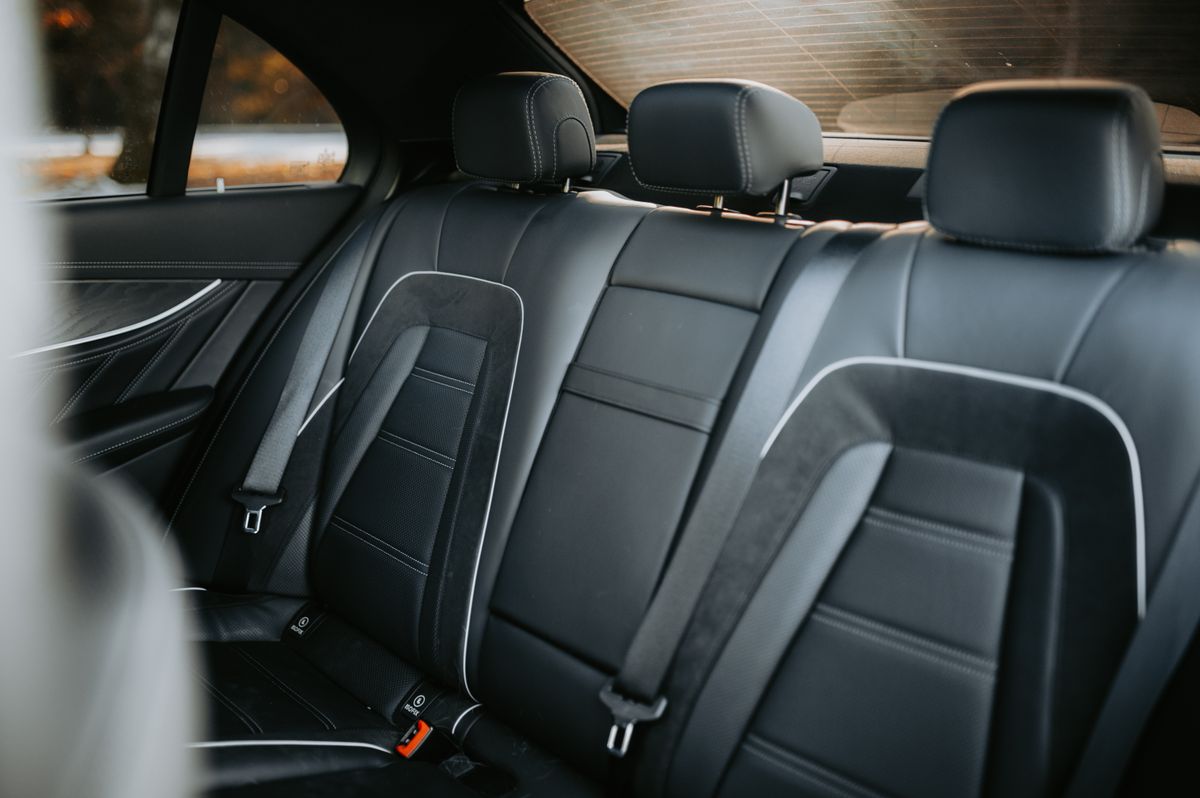
Photo via Pexels
A rideshare or delivery car in Fort Myers does in a month what a commuter car does in a season. The miles pile up fast. The engine runs for hours in heat that would make most cars beg for shade. The brakes work every block on US-41, the air conditioner runs from the first pickup to the last drop-off, and the tires wear down on hot pavement that never seems to cool off. If you treat a work car like a weekend car, it will let you down at the worst possible moment, usually on a Friday night with a passenger in the back seat.
The good news is that keeping a high-mileage car reliable is not complicated. It is a routine. The drivers who stay on the road the longest are not the ones who spend the most on repairs. They are the ones who catch small problems early, keep up with the basics on a schedule, and never let a warning light become a breakdown. This guide lays out a maintenance routine built for the way you actually drive, in the climate you actually drive in, on a budget that makes sense for someone whose car is also their paycheck.
The Florida heat changes everything
Start with the climate, because it is the single biggest factor in how your car wears out. Fort Myers is hot, humid, and sunny for most of the year, and that punishes a car in ways a driver from a cooler place would not expect. The cooling system works harder here than almost anywhere else. The air conditioner runs constantly. Rubber parts like belts and hoses age faster in the heat. The battery lives in an oven under the hood. And the paint and interior take a daily beating from the sun.
The cooling system is your first priority. A car that overheats in stop-and-go traffic on Summerlin Road in August is a car that is out of service, and a car out of service is a driver not earning. Check the coolant level regularly, and have the cooling system inspected if the temperature gauge ever climbs above normal. A small leak or a tired radiator fan is a cheap fix when it is caught early and an expensive one when it is not. If you notice the temperature creeping up while you are idling with the AC on, do not ignore it. That is the car telling you something.
The air conditioner deserves the same attention. It is not a luxury in this job. It is the difference between a comfortable passenger and a complaint, and between a fresh delivery and a wilted one. If the air coming from the vents is not properly cold, or if it takes a long time to cool down, have it checked. A system that is low on refrigerant or has a worn compressor will only get worse, and it will get worse in the middle of the hottest week of the year. Run the AC regularly even on mild days, because a system that sits unused can develop leaks and smells. A musty smell from the vents is common in humid climates and usually means moisture has built up in the system, which a service can clear.
The battery is the third heat victim. Heat shortens battery life, and a battery that is fine in the morning can fail after a day of short trips and constant restarts. Delivery driving is especially hard on batteries because of the constant starting and stopping. If your car cranks slowly, or if the battery is more than a few years old, have it tested. A test takes minutes and it is better than a jump start in a parking lot at midnight. Keep the battery terminals clean, because corrosion builds up fast in the humidity here.
Oil, fluids, and the schedule that actually fits your miles
The single most important maintenance habit for a work car is changing the oil on schedule, and the schedule for your car is measured in miles, not months. A driver who covers in a month what most people cover in a season will hit the mileage interval long before the calendar interval. If your owner's manual says to change the oil at a certain mileage, follow that number and check your odometer, not the calendar. It helps to write the next oil change mileage on a sticker or in your phone so you never have to guess.
Oil is not the only fluid. Transmission fluid, brake fluid, coolant, and power steering fluid all wear out, and they wear out faster under heavy use. Ask your mechanic to check all the fluids at every visit. A shop that sees your car regularly will learn its patterns and catch things before they become problems.
Brakes deserve a special mention because of how you drive. Rideshare and delivery work means braking constantly: every traffic light on Colonial Boulevard, every stop sign in a gated community, every sudden slowdown on I-75. Brake pads wear out far faster on a work car than on a commuter car. If you hear a squeal or a grinding sound when you brake, or if the pedal feels soft or pulses under your foot, get the brakes checked right away. Brakes are a safety system, and they are not something to put off. A good habit is to have the brakes inspected every time the car is in for an oil change, so worn pads are caught during a routine visit instead of during a panic stop.
Tires are the other fast-wearing item. Hot pavement, constant turning, and heavy loads wear tires down, and a tire that is worn or underinflated costs you fuel and safety. Check your tire pressure at least once a week, and check it when the tires are cold, before you start driving. The correct pressure is printed on a sticker inside the driver's door frame, not on the tire itself. Look at the tread regularly, too. If one tire is wearing more on one side than the other, the alignment is off, and an alignment is far cheaper than a new set of tires. Rotate the tires on the schedule your manual recommends, because even wear means longer tire life.
The weekly walkaround: ten minutes that prevent breakdowns
You do not need to be a mechanic to keep a work car healthy. You need ten minutes once a week and a simple routine. Do the walkaround at the same time every week, maybe on a Sunday evening before the work week starts, and make it a habit like checking your phone before a shift.
Start with the tires. Walk around the car and look at each one. Check the pressure with a gauge, look for cuts or bulges in the sidewalls, and check the tread. Then open the hood and check the oil level with the dipstick, the coolant level in the reservoir, and the windshield washer fluid. Washer fluid matters more than it sounds like it does. Love bug season in Lee County coats windshields in a way that dry wipers cannot clear, and running out of washer fluid on I-75 with a smeared windshield is a real hazard.
Check the lights. Back up to a wall at night and watch the reflections as you press the brake pedal. A burned-out brake light is a safety problem and a reason to get pulled over, and it is a two-minute fix. Check the headlights, the turn signals, and the reverse lights the same way.
Look under the car for anything dripping. A small puddle under the engine in the morning can be condensation from the air conditioner, which is normal in this humidity. But a dark oily spot, a green or pink puddle, or a spot that grows over a few days means a leak, and leaks only get worse. Put a piece of cardboard under the car overnight if you want to see clearly what is dripping and what color it is.
Finally, look at the cabin. This is your workplace, and your passengers judge it. Vacuum the floor mats, wipe the dashboard, and take out the trash. A clean car is not just about ratings. It is also how you notice problems early. A clean cabin makes a new stain, a loose trim piece, or a torn seat easy to spot before it gets worse.
Planning for the repairs that will come
Every work car will need repairs. That is not bad luck. It is the nature of driving tens of thousands of miles a year. The drivers who handle it best are the ones who plan for it instead of being surprised by it. Set aside a small amount from every week of earnings for maintenance and repairs. Think of it as a fund for the car, not as money you have lost. When the brakes need doing or a tire blows out on State Road 82, the fund means the repair happens the same day and you are back on the road, instead of the car sitting in a driveway while you figure out how to pay for it.
Keep a simple log of everything you spend on the car. Write down the date, the mileage, what was done, and what it cost. This log does three things. It helps you see patterns, like a part that keeps failing. It gives you a record for tax time, because the miles and the maintenance on a work car are part of your business records. And it raises the value of the car when you eventually trade it in, because a buyer trusts a car with a documented history.
Choose your shop before you need it. A driver who has a regular mechanic does not waste time searching for one during a breakdown. Find a shop in Fort Myers that knows your kind of car, tell them how you use it, and let them see it regularly. A mechanic who knows your car will spot a worn belt or a tired battery during a routine visit and mention it before it strands you. That relationship is worth building before you need it, not after.
Know the warning signs that mean stop driving and get help. A temperature gauge in the red, a loud knocking from the engine, a brake pedal that goes to the floor, or smoke from under the hood are all stop-now problems. Driving through them turns a repair into a replacement. Pull over somewhere safe, turn the car off, and call for help. It is always cheaper to lose an hour of driving than to lose an engine.
Keeping the car presentable for passengers and deliveries
Maintenance is not only mechanical. For a rideshare driver, the car's appearance is part of the product. Passengers form an opinion in the first ten seconds, and that opinion shows up in ratings and tips. For a delivery driver, a clean car means food arrives the way it should, and a car that smells like old food or spilled drinks is a problem for the next order.
Wash the car regularly, and not just for looks. Road grime, salt air from the coast, and love bug residue eat into paint and trim if they sit for weeks. A regular wash protects the finish and keeps the car looking like something a passenger is happy to step into. Clean the windows inside and out, because passengers notice dirty glass and it affects visibility at night.
Inside, the back seat is where the money is. Vacuum it, wipe the door panels, and check the seatbelts. A seatbelt that is slow to retract or a door handle that sticks will be noticed by every passenger who uses it. Keep a small trash bag in the car and empty it every day. Keep the trunk organized so a delivery bag or a suitcase goes in cleanly without a struggle.
Small touches help. A phone charger that works, a clean floor mat, and air that smells fresh rather than stale all add up. None of them cost much, and together they make the car feel cared for. Passengers tip drivers whose cars feel cared for, and that is income you earn with a vacuum and a cloth.
Use a sunshade when the car sits in the Fort Myers sun. It protects the dashboard and keeps the AC from working overtime when you get back in. If you want to know what to check for when the heat has already done its damage, our guide on flood and salt air damage in Florida covers what the climate does to a car and what to look for.
Frequently asked questions
How often should a rideshare or delivery driver change the oil? Follow the mileage interval in your owner's manual, not the calendar. A full-time driver can hit that interval in a matter of weeks, so check the odometer and keep a note of the next change mileage. Heavy use in Florida heat is no reason to stretch the interval longer.
What maintenance matters most in the Fort Myers heat? The cooling system, the air conditioner, and the battery. Heat punishes all three, and all three are essential to a work car. Check the coolant level regularly, make sure the AC blows properly cold, and have the battery tested if the car cranks slowly.
How do I budget for repairs on a work car? Set aside a small amount from every week of earnings into a maintenance fund. Repairs are a certainty for a high-mileage car, not a surprise, and a fund means a breakdown is an inconvenience instead of a crisis that keeps you off the road.
What should I check every week on my car? Tire pressure and tread, oil and coolant levels, washer fluid, all the lights, and a look underneath for leaks. Ten minutes once a week catches most problems while they are still small and cheap.
When is a repair not worth doing? When the cost of the repair is close to what the car is worth, or when the car needs several major repairs at once. At that point, the money is usually better spent toward a replacement. Our test driving tips for rideshare or delivery drivers can help you judge a replacement car the right way.
A work car that is maintained on a routine will outlast a work car that is only fixed when it breaks, and it will earn more while it does it. Keep the fluids full, the tires right, the AC cold, and the cabin clean, and the car will take care of you the way you take care of it. When the day comes that the car has given all it has, browse the inventory and call Joe at (239) 364-0709 or book an appointment to find your next one.
Questions about a car?
Call Joe — he’ll give you a straight answer and, if there’s a car you like, have it ready for a test drive.
Book an appointmentBrowse inventory

