Joes’ Cars Fort Myers · Maintenance
How to Tell If a Used Car Was a Fleet Vehicle
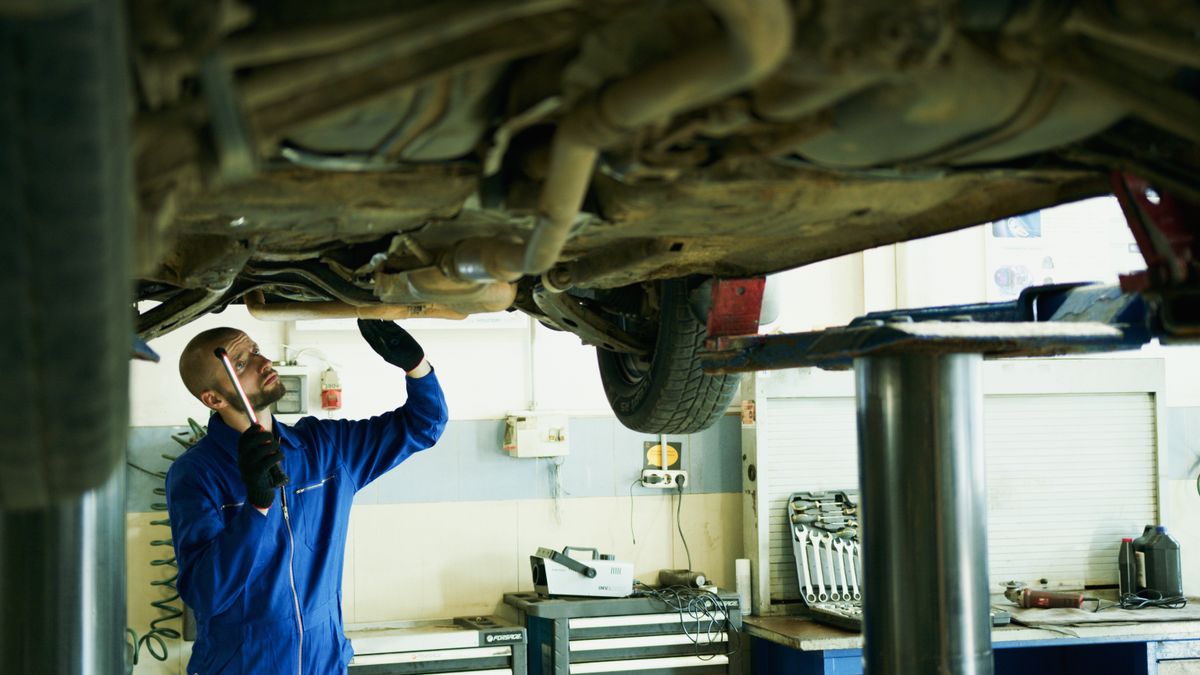
Photo via Pexels
Fleet vehicles are the workhorses of the road. They are the sedans, trucks, and vans that companies, government agencies, and service businesses buy in bulk and run hard for a few years, then sell. In Lee County, fleet cars come from construction companies, utilities, delivery services, and local government, and they end up on used car lots all over Fort Myers. A former fleet vehicle can be a great buy or a worn-out work truck, and the difference is in the details. This guide explains how to spot a fleet car, what fleet life does to a vehicle, and how to judge whether the one you are looking at is worth your money.
The key thing to understand about fleet cars is that they were bought to work, not to impress. They were maintained on a schedule because downtime costs money, and they were driven by employees who did not own them. That combination produces a car that is often mechanically solid and cosmetically rough, which can be a good deal if you know what you are looking at.
The history report tells the story
The vehicle history report is the first place to look. It will usually list the car as a fleet vehicle, and it will show the number of owners and the registration history. A car with one owner listed as a company, a government agency, or a leasing company, and a registration in Florida, is likely a former fleet vehicle. The report may also show the car's service history, which is useful, since fleet cars are often serviced at the same shop on a regular schedule.
Read the report carefully, and pay attention to the mileage pattern. A fleet car can rack up a lot of miles quickly, because it is driven every day for work. A truck that was used by a construction company in Fort Myers may have high mileage from driving between job sites on I-75, US-41, and State Road 82. That is normal for a fleet vehicle, but the condition should match the mileage. Our guide to reading a vehicle history report explains how to read the report and what it cannot tell you.
Also look for gaps in the history. A fleet car that was serviced regularly will have a steady record of maintenance. A fleet car with long gaps in its service history may have been maintained by the company's own shop, which does not always report to the history services, or it may have been neglected. If the seller cannot provide maintenance records, that is worth knowing before you buy.
Signs of fleet life in the car itself
A former fleet vehicle often looks like one. Start with the exterior. Fleet cars are often a single color, usually white, silver, or black, because companies buy in bulk and do not care about color. Look for faded paint or ghost lettering on the doors or the tailgate, where a company logo or a phone number was removed. You can sometimes see the outline of the lettering in the paint, especially on a white truck that spent years in the Florida sun.
Look at the wheels and the tires. Fleet cars are often driven on job sites, and the wheels may have curb damage or scuffs from rough roads. The tires may be a cheaper brand than the car came with, since fleet managers buy tires in bulk and replace them often. Check the tread depth and look for uneven wear, which can mean an alignment problem from hitting a curb or a pothole.
Inside, a fleet car often has a plain interior, with cloth seats and few options, because companies buy base models. Look for wear on the driver's seat, the steering wheel, and the door handles, which is normal for a car that was driven every day. Check the dashboard for holes or marks where a radio, a GPS unit, or a two-way radio was mounted. Look at the center console for wear from a laptop or a clipboard. Fleet cars are workplaces, and they show it.
Check the bed if it is a truck. A fleet truck that carried tools and materials will have scratches, dents, and wear in the bed, and the bed liner, if there is one, may be worn through in places. A truck bed that is dented and scratched is not necessarily a bad sign, since it means the truck was used for work, but a bed that is rusted through or bent is a different matter.
How fleet life affects the mechanical parts
Fleet cars are maintained on schedule, because a company cannot afford to have its vehicles break down. Oil changes, tire rotations, brake work, and transmission service are usually done on time, and the cars are often serviced at a dealership or a fleet shop that knows the vehicle. That is the good news about fleet life, and it is why a former fleet car can be mechanically solid even with high mileage.
The bad news is that fleet cars are driven hard. They are driven by employees who do not own them, and they are driven on a schedule, which means they are driven in all weather, in traffic, and on rough roads. A fleet truck that spent its life on construction sites around Cape Coral and Lehigh Acres may have been driven on unpaved roads, through mud, and over curbs. A fleet sedan that was used for deliveries may have spent its life in stop-and-go traffic on Colonial Boulevard and Daniels Parkway, which is hard on the transmission and the brakes.
Pay attention to the suspension during the test drive. A fleet car that was driven on rough roads may have worn shocks, struts, or bushings, and you will feel it as a bouncy or loose ride, or hear it as clunks over bumps. Check the steering: does it feel tight and responsive, or loose and vague? A fleet car with a tight steering feel and a smooth ride has probably been maintained well. A fleet car that wanders, pulls, or clunks is telling you the suspension needs work.
Fleet versus rental: what is different
Fleet cars and rental cars are often confused, but they are not the same thing. A rental car is driven by dozens of different people for short trips, usually on vacation. A fleet car is driven by one or a few employees for work, usually on the same routes every day. That difference matters.
A rental car is more likely to have cosmetic damage from many different drivers, and it is more likely to have been driven hard for short periods. A fleet car is more likely to have consistent wear from the same kind of driving, and it is more likely to have been maintained on a strict schedule. A fleet car is also more likely to be a truck or a van, since those are the vehicles companies buy, while a rental car is more likely to be a sedan or a small SUV.
Our guide to how to tell if a used car was a rental covers the rental side in detail, and it is worth reading if you are not sure which kind of car you are looking at. The history report will usually tell you, and the seller should be able to as well.
Questions to ask about a fleet car
If you think a car was a fleet vehicle, ask the seller what kind of fleet it was. A car that was used by a sales representative, driving between offices on I-75, is a different story from a truck that was used on a construction site. A car that was used by a government agency may have been maintained very well, since government fleets often have strict service schedules. A car that was used by a delivery company may have spent its life in stop-and-go traffic, which is hard on the transmission.
Ask for maintenance records. A fleet seller who can show you a service history is a good sign. A fleet seller who cannot tell you anything about the car's maintenance is a warning sign. Ask whether the car was ever in an accident, and whether any damage was repaired. The history report should show accidents, but the seller may know details the report does not.
Ask about the tires and the brakes, since fleet cars go through them faster than private cars. Check the tire tread yourself, and pay attention to the brake pedal during the test drive. If the brakes feel soft or the car pulls to one side when you brake, the brakes may need work, and that is something to know before you buy.
When a former fleet car is a good buy
A former fleet car is a good buy when the maintenance was done on schedule, the condition matches the mileage, and the price reflects the fleet history. A fleet car that was maintained well, has a clean history report, and is priced below a comparable privately owned car can be a smart purchase, especially if you need a truck or a van for work yourself.
The test drive is essential. Drive the car on the highway and on surface streets, and pay attention to how it shifts, brakes, and steers. Listen for noises from the suspension and the engine. Check the air conditioning, which is essential in Southwest Florida. Use our test drive checklist to make sure you cover everything in fifteen minutes, and do not rush it.
If the car passes the test drive, the history is clean, and the price is fair, a former fleet car can be a good buy. If the car is worn out, the suspension is shot, the seller cannot tell you anything about its history, or the price is the same as a privately owned car, keep looking. The right fleet car is out there, but the wrong one is not worth your money.
Frequently asked questions
How can I tell if a used car was a fleet vehicle? The history report is the most reliable way. It will usually list the car as a fleet vehicle. Signs in the car include ghost lettering on the doors, a plain base-model interior, holes in the dashboard where equipment was mounted, and a single company color like white.
Are former fleet cars reliable? Often, yes. Fleet cars are usually maintained on schedule, because downtime costs the company money. But they are also driven hard, so the suspension, brakes, and transmission may be more worn than on a privately owned car with the same mileage.
Do fleet cars have high mileage? Usually, yes. A fleet car is driven every day for work, so it can rack up a lot of miles quickly. High mileage is normal for a fleet vehicle, but the condition and the price should reflect it.
Should I pay less for a former fleet car? Usually, yes. A former fleet car is worth less than a comparable privately owned car, because it had more drivers and harder use. If the price is the same, the fleet car is not a good deal.
What is the difference between a fleet car and a rental car? A rental car is driven by many different people for short trips. A fleet car is driven by one or a few employees for work, usually on the same routes. Fleet cars are more likely to be trucks and vans, and more likely to have been maintained on a strict schedule.
If you want to look at a car and check its history yourself, browse the inventory and come see it in person. Call Joe at (239) 364-0709 to book an appointment, and bring your questions about the car's past life with you.
Questions about a car?
Call Joe — he’ll give you a straight answer and, if there’s a car you like, have it ready for a test drive.
Book an appointmentBrowse inventory

