Joes’ Cars Fort Myers · Selling & Trading
How to Describe Your Car Honestly in a Listing

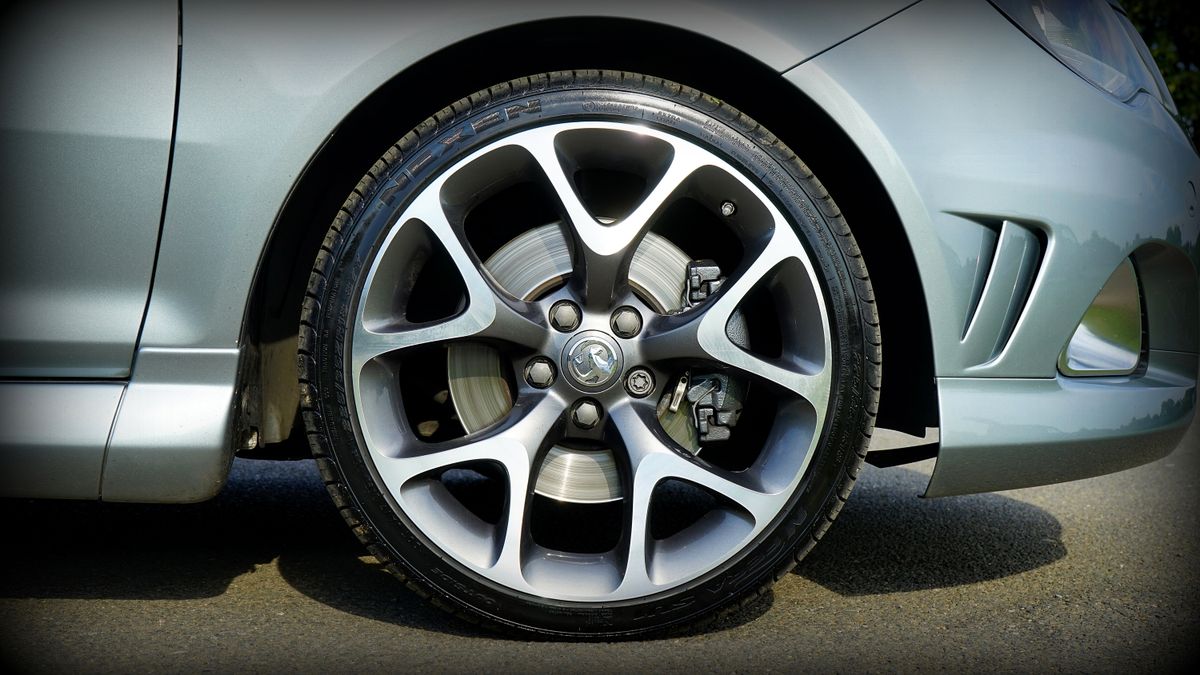
Photo via Pexels
A car listing is a promise. Every sentence tells the buyer what they will find when they drive across town to see the car, and the gap between the listing and the reality is where sales are lost. A listing that oversells creates a disappointed buyer who walks away. A listing that undersells — vague, thin, or missing the basics — never gets the buyer to call in the first place. The sweet spot is a listing that is specific, honest, and complete: it tells the buyer exactly what the car is, how it has been treated, what is good about it, and what is not.
Writing that listing is a skill, and it is one you can learn in an afternoon. This guide covers what to include, how to talk about flaws without scaring buyers away, the tone that builds trust, and the phrases and habits that quietly undermine a listing. It pairs naturally with our guide to taking photos that sell your car — the photos show the car, and the words explain it.
Start with the facts, all of them
Every listing should open with the essentials, and they should be complete. Year, make, model, and trim level. Mileage, stated accurately. Transmission — automatic or manual. Exterior and interior color. Number of previous owners, if you know it. Whether you have the title in hand and whether it is clean. These are the facts every serious buyer checks first, and a listing that makes them hunt for them, or leaves them out entirely, looks careless at best and suspicious at worst.
Be precise with the facts. Do not round the mileage down, do not guess the trim level, and do not describe the car as a higher trim than it is. Buyers who know cars will notice, and buyers who do not will find out from the VIN or the title. Precision is a form of honesty, and it sets the tone for everything that follows. If you are not sure about a detail, say so plainly — "I believe it is the mid-level trim, but I am happy to confirm from the VIN" — rather than guessing and being wrong.
Include the Florida facts that buyers here care about. Does the AC blow cold? How old are the tires? Has the car been garage-kept? Has it ever had flood or storm damage? These questions will come up in the first message or the first phone call anyway, so answering them in the listing saves everyone time and signals that you understand what matters in this market. A buyer in Fort Myers who sees "ice-cold AC, new tires last year, garage-kept" in a listing knows the seller understands the local priorities. For more on what buyers check, our guide to flood and salt air damage in Florida explains the concerns in detail.
Tell the car's story
Facts get a buyer to read the listing. The story gets them to call. A car is not just a list of specifications — it is a machine with a history, and the history is what tells a buyer how it was treated. How did you use the car? Was it a daily commuter up and down I-75, a weekend car for trips to Sanibel and Captiva, a family car for school runs around Fort Myers? Each of those stories tells the buyer something different about wear, mileage, and care.
Mention the maintenance by name, not in vague terms. "New tires last year" is useful. "New tires last spring, along with a fresh battery and front brakes" is much better. "Oil changed every five thousand miles at the same shop, records available" is the kind of sentence that makes a buyer trust the car. If you have the records, say so, and say you will show them at the viewing. A thick folder of service receipts is one of the strongest selling points a private seller has, and the listing is where you advertise it.
Be specific about recent work and about what is coming due. If the timing belt was done, say when. If the tires have two years of life left, say so. If a service is coming due soon, say that too — a buyer who knows what is coming can plan for it, and a seller who volunteers that information is a seller who can be trusted. The goal is not to make the car sound perfect. The goal is to make the buyer feel like they know the car before they ever see it.
Talk about flaws the right way
Every used car has flaws. The question is never whether to mention them — it is how. The wrong way is to hide them, because the buyer will find them on the test drive and feel misled. The wrong way is also to lead with them, because a listing that opens with a list of problems reads like a warning, not an invitation. The right way is to mention flaws plainly, in context, alongside the car's strengths, so the buyer gets a balanced picture.
A good formula is simple: state the flaw, state its effect, and state what you have done about it, if anything. "There is a small dent on the rear bumper from a parking lot — it is cosmetic only, it does not affect anything, and I have left it as is because a repair would cost more than it is worth." That sentence does three things: it tells the buyer what is wrong, it tells them it does not matter mechanically, and it tells them you have thought about it. A buyer reading that feels informed, not alarmed.
The same approach works for bigger issues. "The AC was recharged last summer and blows cold now, but it needed a recharge, so a buyer should know it may need attention again" is honest and useful. "The check-engine light is on for an emissions sensor — the car runs fine, and I have the diagnostic report to show you" is honest and useful. What is not useful is "runs great, no issues" on a car with a warning light on the dashboard. That sentence will be disproven in the first thirty seconds of the test drive, and the buyer will wonder what else in the listing is not true. For guidance on pricing a car with known issues, see our guide to how to price your used car in Lee County.
Tone: confident, plain, and human
The best listings sound like a person talking, not a sales brochure. Write the way you would describe the car to a neighbor over the fence: plain language, short sentences, no hype, no jargon. "This has been a reliable car for our family. We are selling because we bought a larger one. It starts every time, the AC is cold, and the tires are recent." That kind of writing builds trust because it sounds like a real person who knows the car and is telling the truth about it.
Avoid the phrases that make buyers suspicious. "Must see to appreciate" usually means the photos are bad. "Priced to sell fast" usually means the seller is in a hurry and might take less — which invites lowball offers. "No lowballers" sounds defensive and starts the negotiation on a hostile note. "First come, first served" creates pressure that serious buyers dislike. And any claim you cannot back up — "best car in Fort Myers," "like new," "perfect condition" on a ten-year-old car — will be tested by the buyer and found wanting.
Avoid exaggeration in the other direction, too. A listing that apologizes for the car — "it is old, it has problems, I just need it gone" — will attract only buyers looking for a bargain, and it will make them suspicious that the problems are worse than described. Be matter-of-fact. State what the car is, what it does well, what it does not do well, and what you are asking. Let the buyer decide. A calm, factual tone is the most persuasive tone there is, because it signals a seller who is confident in the car and in the price.
What to leave out — and what to include at the end
Some things do not belong in a listing. Do not include your home address, your full name, or your personal phone number in a public post — a messaging option or a phone number shared privately with a serious buyer is enough. Do not include your license plate number in the text or readable in the photos. Do not include financial details, your loan information, or anything about why you are selling that is personal. "We bought a larger car" is enough. Nobody needs the full story of your family circumstances.
Do include, at the end of the listing, the practical details that turn a reader into a caller. How you want to be contacted. That showings are by appointment, in daylight, in a public place. That you have the title in hand. That you are happy to let a buyer have the car inspected by their own mechanic. Each of these is a small signal that you are a serious, organized seller, and together they make a buyer much more likely to reach out. Our guide to meeting buyers safely when you sell your car covers the safety side of the showing itself.
Do not include a price history, a story about what you paid for the car, or an explanation of why your price is what it is. The price speaks for itself, and a buyer who thinks it is fair will call. If you feel the need to justify the price in the listing, the price may be the problem, not the listing. And do not include a deadline or an ultimatum — "must sell by Friday" — because it tells every buyer to wait until Friday and offer less.
Check the listing before you post it
Before you publish, read the whole listing out loud, slowly, as if you were the buyer. Does it answer the questions you would ask? Does it sound like a real person? Is there anything vague, exaggerated, or missing? Read it once for facts — are the year, mileage, and trim correct? Read it once for tone — does it sound confident and honest, or defensive and desperate? And read it once for completeness — does it mention the AC, the tires, the title, and the service history?
Ask someone else to read it, too. A friend or family member who does not know the car will spot the gaps you cannot see, because you know the car so well that you forget what a stranger does not know. They will ask the questions a buyer will ask, and their questions will show you what to add. This takes ten minutes and it is the single best edit you can do.
Finally, compare your listing with the photos. Do the words and the pictures tell the same story? If the listing says "excellent condition" and the photos show a stained seat and a dented bumper, the buyer will trust the photos and doubt the words. If the listing says "some wear, priced accordingly" and the photos show a clean, honest car, the buyer will trust both. Consistency between words and pictures is what turns a listing into a sale. When the listing is ready, our guide to where to list your car for sale in Fort Myers will help you choose where to post it, and our guide to selling your car privately in Fort Myers walks through everything that comes next.
Frequently asked questions
How long should my listing description be? Long enough to answer a buyer's real questions and short enough to read on a phone. For most cars, that is a few solid paragraphs: the facts, the story, the maintenance, the flaws, and the practical details. A one-sentence listing does not give buyers enough to act on. A thousand-word essay will not be read. Aim for the middle, and let the photos carry the visual detail.
Should I mention the reason I am selling? Briefly, if it is simple and positive — you bought a larger car, you are moving, you no longer need a second car. A simple reason reassures buyers that the car is not being sold because something is wrong with it. Do not share personal or financial details, and do not mention a deadline, which only weakens your negotiating position.
What if I do not know the car's full history? Say so honestly. "I have owned it for three years and have full records for that time. Before that, I do not have records, but the history report is clean." That is a complete and trustworthy answer. Guessing at history you do not know is worse than admitting you do not know it, because a buyer who checks the history report will find the truth anyway.
Should I list the price as firm or negotiable? It depends on your strategy. If you have priced the car competitively and want a fast sale, saying the price is firm can work — but only if the price is genuinely fair. If you have built in a little room to negotiate, do not announce it; just let the negotiation happen. Either way, avoid writing "no lowballers" or "serious inquiries only," which sound defensive and put buyers off before they call.
Can I update my listing after I post it? Yes, and you should. If you notice a mistake, fix it. If you take better photos, swap them in. If the price changes, update every place you listed the car, so the price is consistent everywhere. A listing that is kept current signals a seller who is paying attention, and buyers notice.
An honest listing does not just describe a car — it builds the trust that makes a sale happen. State the facts, tell the story, disclose the flaws plainly, and write like a person, not a brochure. Do that, and the buyers who call will be the right ones. If you would rather have someone else handle the selling entirely, call Joe at (239) 364-0709 — Joes' Cars can talk about a trade-in, and you can browse the current inventory at joescarsfortmyers.com to see what your next car might be.
Questions about a car?
Call Joe — he’ll give you a straight answer and, if there’s a car you like, have it ready for a test drive.
Book an appointmentBrowse inventory