Joes’ Cars Fort Myers · Florida Tips
Flood-Risk Checks When Buying a Used Car in San Carlos Park
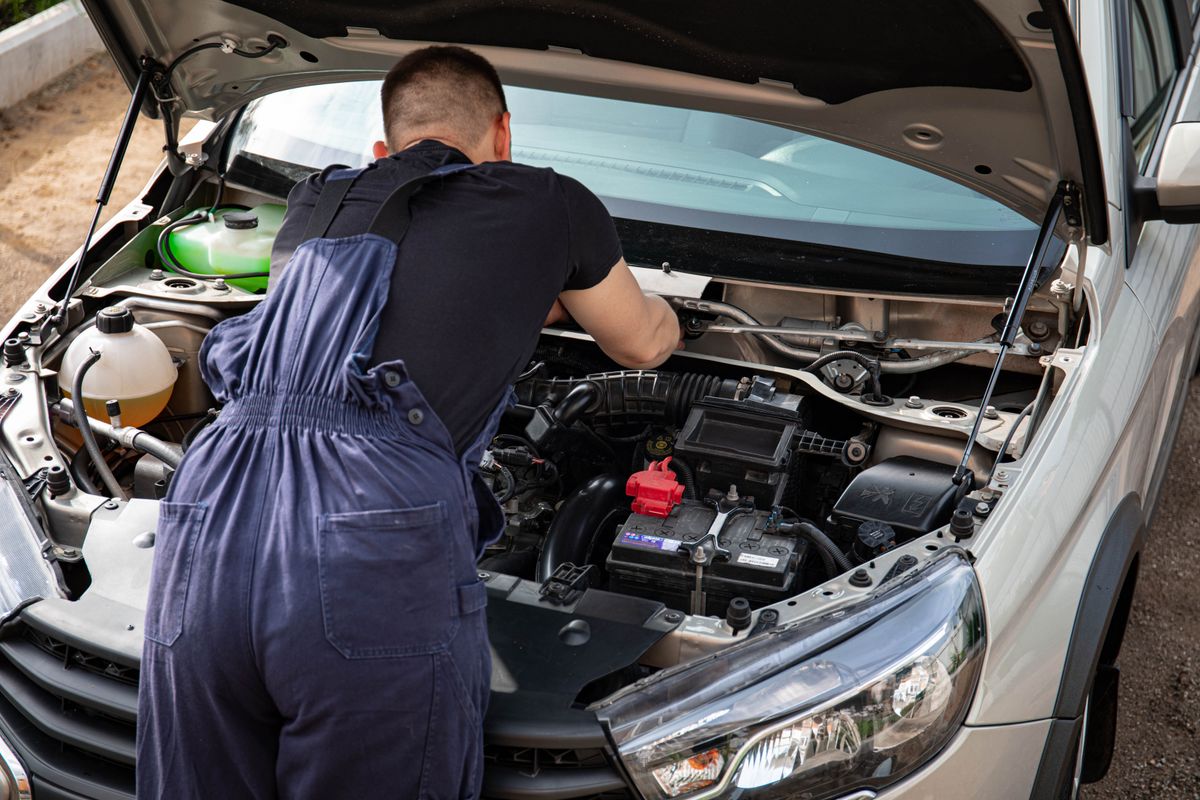
Photo via Pexels
Flood risk is local. That is the first thing to understand about buying a used car in San Carlos Park. This is a large, family-friendly residential community south of Fort Myers along US-41, near Three Oaks Parkway, and it sits low — low enough that a summer downpour can flood a street in minutes, and low enough that hurricane season brings heavy rain to the whole of Lee County every year. A car that has spent its life here may have seen standing water, and a car that was brought here from somewhere else may have seen worse. Either way, the damage from flooding hides well: the carpets dry, the seats get cleaned, but the wiring and the electronics remember.
This guide is about finding that damage before you buy the car. It covers where flood water goes, what it leaves behind, and how to check for it with your own eyes and hands. It is written for a buyer standing on Joe's lot on Colonial Boulevard, about 20 minutes north of San Carlos Park on US-41, deciding whether a car is worth taking home.
Why Flood Risk Matters Here
San Carlos Park sits in a part of Lee County where water is a fact of life. The land is low and flat, the summer rains are heavy, and the afternoon thunderstorms that roll in from the Gulf can drop a remarkable amount of water in a very short time. A street that is dry at noon can be under water by two o'clock, and a car parked in the wrong place at the wrong time can sit in standing water for hours. Hurricane season, which runs from June through November, adds storm surge and days of rain to the same low ground.
The cars that live here are exposed to that water in two ways. The first is direct: a car that is parked or driven through standing water takes water into the places you cannot see — under the carpet, behind the kick panels, inside the doors, and into the wiring that runs along the floor. The second is indirect: a car that was flooded somewhere else and then brought to Lee County to be sold. Flooded cars move. They are cleaned up, dried out, and put back on the market, sometimes far from where the flood happened. A clean-looking car on a lot in Fort Myers may have been underwater in another state a month earlier.
That is why the flood check matters for every used car you consider, not just the ones that look suspicious. A car that has been flooded can run perfectly for weeks and then start failing in ways that are expensive and hard to diagnose: electrical problems that come and go, a musty smell that returns every summer, corrosion that eats the wiring a little at a time. The check takes an hour. The repair takes months and a great deal of money. Do the check first.
The Signs of a Flooded Car
The first sign is the smell. A flooded car smells musty, damp, or moldy, and the smell does not go away. Sellers sometimes mask it with air freshener or a heavy cleaning, but the smell returns when the car sits closed up in the summer heat. Sit in the car with the doors and windows closed for a few minutes. If you smell dampness, mold, or a chemical cleaner that seems too strong for the car's condition, take it seriously. Open the trunk and smell it too — the trunk is one of the last places a seller cleans, and it holds the smell longest.
The second sign is silt and staining. Flood water is not clean water. It carries mud, sand, and debris, and it leaves that debris in the places water pools. Look under the floor mats and press the carpet — dampness underneath is a red flag, and a carpet that feels stiff or gritty has been wet. Pull up the trunk mat and look at the spare-tire well, which is one of the first places standing water collects. Look for a water line, a ring of staining, or silt in the corners. Check the seat tracks and the bolts under the seats; rust there is a strong sign the car has been wet inside.
The third sign is the electrical system. Flood water damages wiring, connectors, and electronic modules, and the damage shows up as problems that come and go: a window that works sometimes, a warning light that appears and disappears, a radio that cuts out, a dashboard light that flickers. On your test drive, test every electrical system in the car — every window, every lock, the lights, the wipers, the radio, the air conditioning, the dashboard. If anything behaves oddly, even once, ask Joe about it and get the car inspected before you decide.
Underneath and Inside: The Full Check
The most important part of the flood check happens underneath the car. Get underneath it, or ask Joe to put it on a lift, and look at the frame, the suspension parts, and the brake lines. Salt water and flood water accelerate corrosion, and the underside of a flooded car will show it: heavy rust on parts that should be clean, rust on bolts and fasteners that were never meant to get wet, and a general roughness to the metal that a dry car does not have. Surface rust is normal in Florida. Deep, flaking rust that you can poke through is not.
Inside the car, the check goes deeper than the carpet. Pull back the kick panels — the plastic trim at the bottom of the door frames — and look at the wiring and the metal behind them. Flood water pools there, and it leaves staining and rust on the connectors. Look under the seats at the seat tracks and the motors that move them. Look at the bolts that hold the seats to the floor; if they are rusty, the car has been wet. Check the headliner for stains or sagging, which can mean water came in through the roof or the windows. Check the glove box and the center console for silt, dampness, or a musty smell.
The engine bay deserves a look too. Flood water can reach the air intake, the alternator, and the fuse box, and it leaves its mark: corrosion on the electrical connections, silt in the crevices, and a general grime that a careful owner would have cleaned. Open the air filter box and look at the filter — if it is stained or warped, water may have reached the intake. Check the oil on the dipstick; oil that looks milky or cloudy has water in it, and that is a serious problem.
The History Report and What It Can and Cannot Tell You
The vehicle history report is a useful tool, and you should always ask for it. Our guide to reading a vehicle history report teaches you how to read it: look for a title brand, for registrations in flood-prone areas, and for gaps in the record where a car may have sat unregistered. A title brand that says flood or salvage is a clear warning, and a car with that brand should be avoided unless you know exactly what you are doing and why.
But the history report has limits, and it is important to understand them. A report only knows what was reported. A car that was flooded and never went through an insurance claim may have a clean report. A car that was flooded, cleaned up, and sold privately may have no record of the flood at all. A car that was titled in another state and then brought to Florida may have a gap in its history that hides the flood. The report is one piece of the picture. The physical inspection is the other, and the inspection is the one you can trust with your own eyes.
If the history report shows the car was registered in an area that had a major flood or hurricane, take the inspection even more seriously. Look at the dates: if the car was registered in that area during or just after a storm, and then moved to Florida, that is a pattern worth investigating. Ask Joe what he knows about the car's history, and listen for straight answers. A seller who is open about a car's past is a seller you can trust.
After the Storm: Buying in Hurricane Season
Hurricane season runs from June through November, and it changes the used-car market in Lee County in ways a buyer should understand. After a major storm, flooded cars enter the market in large numbers — not just in the area that was hit, but across the whole region, as cars are moved, cleaned, and resold. The months after a storm are the months when the flood check matters most, and when a buyer who skips it is most likely to regret it.
If you are buying during or just after hurricane season, be extra careful. Take more time with the inspection. Get an independent mechanic's opinion. Ask Joe to put the car on a lift so you can see underneath it properly. A local mechanic's hour on a lift is the cheapest insurance in the whole buying process, and it is never more valuable than in the months after a storm.
Timing can also work in your favor. The weeks before hurricane season, when the weather is dry and the market is quiet, are a good time to buy — the cars on the lot have been there through the dry season, and the flood risk from the current season has not yet arrived. And if you are buying a car that you know will live in San Carlos Park through the next hurricane season, choose one with a little more ground clearance and a solid underbody, so it handles the flooded streets with more confidence. Our guide to buying a used car near the water in San Carlos Park covers the salt-air and rust checks that go with the flood check.
Protecting Your Car Once You Own It
The flood check does not end when you buy the car. A car that lives in San Carlos Park needs to be protected from the same water you checked for before you bought it. The first rule is simple: never drive through standing water you cannot see the bottom of. A street that looks shallow can hide a dip, a drain, or a curb, and a car that stalls in standing water is a car that is about to be flooded from the inside. Turn around. Take another route. Wait for the water to drain.
Parking matters too. If your home or your workplace has a low spot that floods in a heavy rain, do not park there. Park on higher ground, even if it means a longer walk. During hurricane season, know where the high ground is in your neighborhood and move the car there before the storm arrives. A car that is parked on high ground during a storm is a car that survives it.
Maintenance matters most of all. Wash the underside of the car regularly, especially after driving through standing water or near the coast. Salt and silt accelerate corrosion, and a regular wash slows it down. Keep the drains clear — the drains at the bottom of the doors, the sunroof drains if the car has them, and the drains in the trunk. Clogged drains trap water inside the car, and trapped water is what causes the damage. And if the car ever does sit in standing water, get it inspected promptly, even if it seems fine. The damage from flooding is often invisible at first and expensive later.
Frequently asked questions
How can I tell if a used car has flood damage? Look for a musty smell that does not go away, dampness or silt under the floor mats and in the spare-tire well, rust on the seat tracks and the bolts under the seats, and electrical problems that come and go. Get underneath the car and look at the frame and brake lines for heavy corrosion.
Does a clean history report mean the car was never flooded? No. A report only knows what was reported. A car that was flooded and never went through an insurance claim may have a clean report. Always do the physical inspection, even when the report looks clean.
Is it safe to buy a car during hurricane season? Yes, with extra care. Take more time with the inspection, get an independent mechanic's opinion, and ask Joe to put the car on a lift. The months after a storm are when flooded cars enter the market in the largest numbers.
What should I do if my car sits in standing water? Get it inspected promptly, even if it seems fine. Flood damage is often invisible at first and expensive later. Do not drive through standing water you cannot see the bottom of — turn around and take another route.
Which cars handle flooding better in San Carlos Park? Cars with a little more ground clearance handle flooded streets with more confidence, which is one reason family SUVs are popular here. But no car is flood-proof. The best protection is parking on high ground and never driving through water you cannot see through.
Browse the inventory and pick two or three cars to see, then call Joe at (239) 364-0709 to set a time — or book an appointment and come up US-41 for a look. Bring this checklist with you, and take the time to check properly before you decide.
Questions about a car?
Call Joe — he’ll give you a straight answer and, if there’s a car you like, have it ready for a test drive.
Book an appointmentBrowse inventory

