Joes’ Cars Fort Myers · Florida Tips
Flood-Risk Checks When Buying a Used Car in Cypress Lake
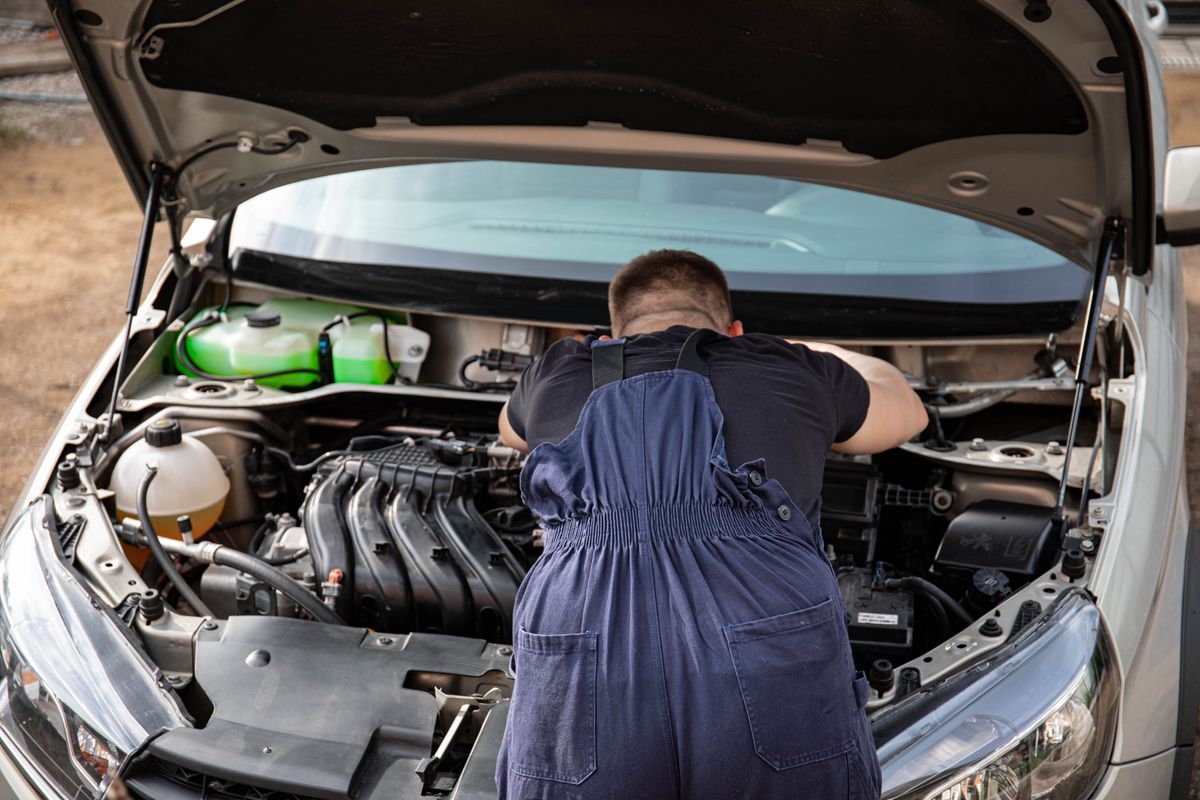
Photo via Pexels
Cypress Lake is a beautiful place to live, and it is also a place where water is never far away. Lakes thread through the neighborhoods, golf course ponds sit behind back fences, and the low-lying ground that makes the area so green also means that summer downpours can flood streets with very little warning. A car that lives here may have seen standing water, and a car that was bought here may have come from somewhere that saw far worse. Knowing how to check for flood exposure is one of the most valuable skills a used-car buyer in Cypress Lake can have.
This guide is about reading the evidence. Flood damage is not always obvious, and it is not always honest: a car that was flooded can be cleaned, dried, and detailed until it looks perfect, and the problems may not appear until weeks or months later, when the electronics start to fail and the rust starts to spread. The checks below take about thirty minutes, cost nothing, and can save you from buying a car that will fight you for years.
The stakes are real because the climate here is relentless. Afternoon thunderstorms in the summer can drop inches of rain in an hour. Hurricane season brings storm surge and sustained flooding to low areas across Lee County. Even a car that was never in a named storm may have sat in a flooded street, driven through water that looked shallow, or spent a night in a low parking lot during a downpour. Every one of those events leaves traces, and this guide shows you where to look.
Why Cypress Lake cars face real flood risk
Cypress Lake sits among lakes and low ground south of Fort Myers, and that geography shapes the flood risk in specific ways. The lakes that give the neighborhood its character are also part of a drainage system that can back up when the rain comes faster than the ground can absorb it. Streets near the lakes and the golf communities can hold standing water after a heavy storm, and the low spots on Cypress Lake Drive and the surrounding residential streets are the first places to flood and the last places to drain.
Summer downpours are the everyday risk. In Lee County, an afternoon thunderstorm can flood a street in minutes, and a driver who misjudges the depth can find water over the wheels before they can turn around. The rule for flooded roads is simple and absolute: never drive through standing water, no matter how shallow it looks. Water hides the road surface, it hides curbs and potholes, and it can stall an engine or float a car with terrifying speed. A car that has been driven through deep water may look fine the next day and develop electrical problems for months afterward.
Hurricane season is the larger risk, and it is the one that shapes the used-car market across Florida. After a major storm, flooded cars enter the market in large numbers, and not all of them are honestly described. A car that was submerged, even briefly, can suffer damage to its electronics, its wiring, its airbags, and its mechanical systems that no amount of cleaning can fully undo. The checks in this guide are designed to catch that damage before you buy, not after.
The smell test and the interior clues
Start your flood inspection with your nose, because water leaves a smell that cleaning rarely erases completely. Open the car door and breathe in before you do anything else. A clean car should smell like a car, not like a damp basement, a swamp, or a bottle of air freshener. A musty, mildew smell is a warning, and a heavy air freshener or an overwhelming scent of cleaning products can be a cover for one. Trust your nose and do not be embarrassed about it: a careful sniff is one of the best flood checks there is.
Lift the floor mats and look at the carpet beneath them, front and back. Flood water leaves staining, discoloration, and a stiff, crusty texture in carpet and padding, and it collects in the lowest places first. Check under the seats, where the carpet is rarely cleaned as thoroughly, and look at the seat rails and the metal brackets beneath the seats for rust. A car that has never been flooded should have clean, dry carpet and bright metal under the seats. A car that has been in water will often show rust on the seat rails, on the bolts that hold the seats down, and on the metal framework beneath the dashboard.
Look at the upholstery and the headliner for water lines, staining, and warping. Water leaves a line, and that line is often visible on the door panels, the seat backs, and the lower edges of the interior trim. Check the trunk and the spare tire well, which is one of the first places standing water collects and one of the last places a seller thinks to clean. Pull the spare tire out and look at the well beneath it for rust, silt, sand, or staining. A clean spare tire well is a good sign. A rusty one with grit in the bottom is not.
Open the glove box, the center console, and any storage compartments, and look inside for silt, sand, or debris that does not belong. Flood water carries silt and sand into every crack and crevice, and it is very hard to clean out completely. Check the seatbelt webbing by pulling each belt all the way out and looking for staining, stiffness, or a water line. Seatbelts are rarely replaced after a flood, and they are one of the most reliable indicators of water exposure. If the belts show staining or a tide mark, the car has been in water, and you should walk away or get a professional inspection before going further.
Underneath the car: the evidence water leaves
The underside of a car tells the truth about flood exposure in ways the interior cannot hide. If you can get the car on a lift, or even just lie down with a flashlight and look underneath, the evidence is usually there. Start with the frame and the suspension: look for rust that goes beyond the light surface discoloration that is normal in Florida. Flood water, especially salt water, accelerates rust dramatically, and a car that was submerged will often show heavy rust on the frame rails, the suspension mounts, the exhaust system, and the brake components.
Check the electrical connectors underneath the car and in the engine bay. Flood water corrodes electrical connections, and the damage often shows as green or white corrosion on the terminals, or as wiring that looks swollen, brittle, or discolored. Look at the alternator, the starter, and the fuse box for signs of water exposure. Turn on every electrical feature in the car: the lights, the wipers, the windows, the locks, the radio, the air conditioning, and the dashboard warning lights. Flood-damaged electronics often fail intermittently, working fine one moment and failing the next, so test everything more than once and watch for anything that behaves strangely.
The engine bay deserves a careful look. Check the oil and the transmission fluid for a milky appearance or a color that does not look right, which can signal water contamination. Look at the air filter and the intake for silt or debris. Check the dipsticks and the fluid reservoirs for water lines or staining. A car that has been in deep water may have water in the engine, the transmission, or the differential, and that water causes damage that grows worse over time, not better.
Do not forget the wheels and brakes. Flood water carries silt into the brake components, and a car that was submerged may have brakes that feel soft, pull to one side, or make noise. Look at the brake rotors through the wheels for heavy rust or scoring, and feel for a firm, steady pedal on the test drive. If the brakes feel wrong, that is a reason to stop and get a professional opinion, not a detail to overlook.
The history report and what it cannot tell you
A vehicle history report is an important tool in a flood check, but it is not a guarantee. The report can show flood or salvage branding, insurance claims, and title history, and a car with a flood brand on its title is a car you should avoid. Our guide on how to read a vehicle history report explains what to look for and how to interpret what you find. But the report has limits, and understanding those limits is part of buying wisely.
A history report only shows what was reported, and not every flood is reported. A car that was flooded and repaired without an insurance claim, or a car that was flooded in a private sale, may have a clean report and a dirty history. A car that was flooded in another state and retitled in Florida may carry a title that looks clean even though the car was once branded elsewhere. Title washing is a real practice, and it is one reason a physical inspection matters more than any piece of paper.
That is why the inspection and the report work together, not separately. A clean report plus a clean inspection is a good sign. A clean report plus suspicious smells, staining, or rust is a warning, and the inspection should win the argument. A branded report is a reason to walk away, no matter how good the car looks. If you are unsure about what you are seeing, bring the car to a mechanic you trust for a pre-purchase inspection. A professional inspection costs far less than a flooded car, and a mechanic who puts the car on a lift will see things that no driveway inspection can catch.
Ask the seller direct questions and listen to the answers. Where has the car lived? Has it ever been in a flood, a hurricane, or standing water? Has any electrical work been done, and why? A straight, specific answer is a good sign. A vague answer, a change of subject, or a refusal to answer is information too, and it should weigh in your decision. You are not being difficult by asking. You are being careful, and careful is exactly right when you are buying a car in a place where water is a fact of life.
After the purchase: protecting a car that lives here
Once you own a car in Cypress Lake, a few habits will keep flood risk low for as long as you own it. Park on high ground when a storm is coming, and know the low spots on your street and your route so you can avoid them in heavy rain. Never drive through standing water, and teach every driver in your household the same rule. If your car is ever caught in rising water, do not try to start it: water in the engine can cause damage that a single start makes far worse, and a tow to a mechanic is cheaper than a ruined engine.
Keep the car's drainage clear. The drains under the windshield, in the doors, and in the trunk can clog with leaves and debris, and a clogged drain turns a normal rainstorm into standing water inside the car. Check them when you wash the car, and clear them when they are blocked. Run the air conditioning regularly, even in the cooler months, because the system dries the cabin and keeps the seals and the drains working. A car that sits with the windows closed in the Florida humidity will grow mold in places you cannot see, and regular AC use is the simplest prevention.
Frequently asked questions
How can I tell if a used car was flooded? Start with your nose: a musty or mildew smell is a warning. Then lift the floor mats and check the carpet beneath for dampness or staining, look in the spare tire well for rust or silt, and pull the seatbelts all the way out to check for staining or a water line. Underneath, look for heavy rust on the frame and suspension, and corrosion on electrical connectors. No single check is proof, but several together tell a clear story.
Does a clean history report mean a car was never flooded? No. A history report only shows what was reported, and not every flood generates an insurance claim or a title brand. A car flooded in a private sale, or retitled from another state, can have a clean report and a wet history. That is why a physical inspection matters more than any piece of paper, and why a pre-purchase inspection by a mechanic you trust is worth the cost.
What should I do if I drive into standing water? Do not keep going, and do not try to restart the car if it stalls in water. Turn around if you can do so safely, or stop and wait for the water to recede. If the car stalls, call for a tow rather than trying to start it, because water in the engine can cause serious damage that a single start makes worse. Never drive through standing water, no matter how shallow it looks.
Is salt water flooding worse than fresh water flooding? Yes, significantly. Salt water accelerates rust and corrodes electrical systems far faster than fresh water, and the damage continues to spread long after the car has dried. A car that was in salt water, even briefly, is a car to avoid. Check the undercarriage, the frame, and the electrical connectors for the heavy corrosion that salt water leaves behind.
Flood risk is a real part of buying a used car in Cypress Lake, but it is a manageable one. Take your time, check the interior, the trunk, and the underside, read the history report with clear eyes, and get a professional inspection when anything looks uncertain. When you are ready to look at cars, browse the inventory to see what is on the lot, or call Joe at (239) 364-0709 to talk through a car you are considering. You can also book an appointment and inspect a car in person, with the time and the light to do it properly.
Questions about a car?
Call Joe — he’ll give you a straight answer and, if there’s a car you like, have it ready for a test drive.
Book an appointmentBrowse inventory

