Joes’ Cars Fort Myers · Florida Tips
Convertibles and Beach Cars in Whiskey Creek
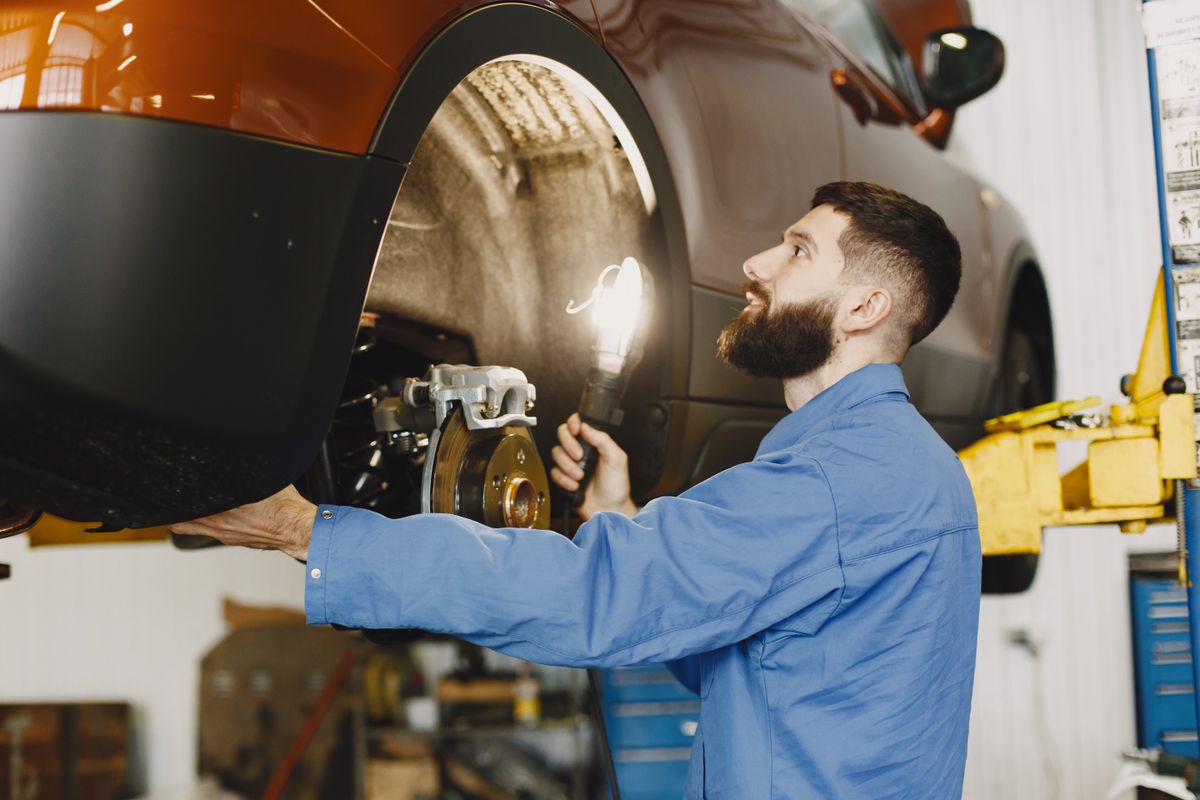
Photo via Pexels
There is no better place in Lee County for a convertible than Whiskey Creek. The golf community of villas and single-family homes sits south of Fort Myers on winding creek-side streets, and on a mild winter morning the drive to the golf club with the top down is the reason people move to Florida. The beach is a short drive away, the air is warm for most of the year, and the roads are made for slow, open-top cruising. But a convertible in Southwest Florida is also a car that lives a harder life than a hardtop, and buying a used one without knowing what to check can turn a dream car into a repair bill.
This guide is about buying a convertible or a beach car that will live in Whiskey Creek. We will cover the top itself, which is the heart of the car, the salt air and sun that punish a convertible more than any other body style, the sand and water that come with beach life, and the inspection that separates a well-kept convertible from one that has been neglected. The drive from Whiskey Creek to Joe's lot is about fifteen minutes by Whiskey Creek Drive and US-41, and the checks in this guide are worth doing on every convertible you consider.
The top: the heart of the car
Everything about a convertible starts with the top. A soft top is the most common, and it needs a close look. Open and close it several times during your visit, and watch how it moves. It should operate smoothly, without jerking, grinding, or stopping halfway. Listen for the motor straining, which can mean a failing mechanism or low hydraulic fluid. Check the fabric for tears, thinning, and fading, especially along the folds where the top creases when it is down. Look at the rear window, which is often plastic on a soft top, for clouding, cracking, or yellowing that makes it hard to see through.
A hardtop convertible, with a folding metal roof, has its own concerns. The roof panels should align cleanly when closed, with even gaps all around, and the seals should be soft and intact, not cracked or flattened. Open and close the roof and listen for grinding or clicking from the mechanism. Check the trunk, since the folded roof takes up space there, and make sure the roof stows fully without hitting anything.
Water is the enemy of every convertible top. Check the seals around the top, the doors, and the windshield header for cracks or gaps. Look at the headliner and the carpet for water stains, and lift the floor mats to check for dampness underneath. A convertible that leaks in a summer downpour will soak the interior and breed mold, and the repair can mean replacing seals that are expensive and hard to find. Test the top in the rain if you can, or at least ask when the seals were last replaced.
Salt air, sun, and the convertible's enemies
A convertible in Whiskey Creek faces three enemies that a hardtop mostly avoids: salt air, sun, and water. Salt air drifts inland from the coast and speeds up corrosion on every exposed surface, and a convertible has more exposed surfaces than any other car. Check the underbody, the frame, and the brake lines for rust, and look at the door edges, the hood lip, and the trunk lip for bubbling paint. The low creek-side streets can hold standing water after the heavy summer downpours, so check the underside with a flashlight and look for a water line or flaking metal.
The sun is the second enemy, and it attacks a convertible from above and inside. The top fabric fades and weakens under constant sun, the plastic rear window clouds and cracks, and the interior takes a beating when the top is down. Look at the dashboard and the door panels for cracking or fading, and check the seats for sun damage, especially leather that has dried and cracked. A car that spent its life parked outdoors in the Florida sun will show it in the interior, and the damage is expensive to repair.
The third enemy is the heat itself. A convertible cabin heats up fast with the top down in the sun, and the air conditioning has to work harder than it does in a hardtop. Turn the air conditioning on during your visit and let it run for several minutes with the top up and the doors closed. Cold air should come from every vent, and the cabin should cool down noticeably. If the system is weak, every summer afternoon will be miserable. Our test-drive checklist covers the same ground in a step-by-step format you can carry on your phone.
Sand, water, and beach life
A beach car in Whiskey Creek lives with sand, and sand gets everywhere. It grinds into the seat fabric, scratches the paint, clogs the drains, and wears out the window seals. When you inspect a convertible that was used for beach days, look at the seats and the carpet for embedded sand that a vacuum cannot remove. Check the door seals and the window tracks for grit, and look at the paint on the lower panels for scratches from sandy feet and beach gear.
Water is the other half of beach life. A car that was driven on the beach or parked near the water can have salt residue in places you would not expect: the underbody, the brake components, the exhaust, and the wiring. Check the spare tire well for standing water or rust, and look at the seat tracks and the bolts under the seats for corrosion. A musty smell inside can mean water got in through a leaking top or a clogged drain, and the smell will return on every hot day.
Think about how you will use the car. If the beach is a weekly trip, a convertible with a durable interior, rubber floor mats, and a trunk that holds beach gear without a fight is the right choice. If the beach is an occasional outing, a sedan or an SUV with a roof that opens may give you the open-air feeling with less maintenance. A beach car that is easy to clean will get cleaned, and a beach car that is hard to clean will hide sand and salt until they cause damage.
The inspection: what to check before you buy
A convertible inspection starts with the top and works outward. Operate the top several times, check the fabric or the panels, and look at the seals and the rear window. Then check the interior for water stains, dampness, and mold, lifting the floor mats and checking the carpet underneath and the spare tire well. Look at the seat tracks and the bolts for rust, and pull the seatbelts all the way out to check for staining or a musty smell.
Check the body and the underbody for rust, paying special attention to the frame rails, the brake lines, the exhaust, and the rocker panels. Look for paint that does not match from one panel to the next, which can mean past repairs, and check the gaps around the doors and the trunk for alignment problems. A convertible body flexes more than a hardtop, so door gaps that are uneven can mean structural wear rather than a simple adjustment.
Test every electrical system, since convertibles have more of them than a hardtop and the top mechanism itself is electrical or hydraulic. Run every window up and down, test the locks, the mirrors, the wipers, and the headlights. Turn on the radio and the backup camera, and check the dashboard for warning lights. Look at the fuse box for corrosion, and check the connectors under the seats for the green or white crust that salt water leaves behind. Our guide to flood and salt-air damage in Florida explains every check in detail.
The test drive with the top down and up
A convertible test drive should be two drives: one with the top down and one with it up. With the top down, drive the winding creek-side streets of Whiskey Creek and feel how the car handles at low speed. Listen for rattles from the body, which flexes more than a hardtop, and notice the wind noise at speed. A convertible will never be as quiet as a hardtop with the top down, but it should not shake, rattle, or feel loose. Drive on US-41 and get up to speed, then check the mirrors and the visibility, since the folded top can block the rear view.
With the top up, drive the same route and listen for wind noise around the seals and the windshield header. A well-sealed convertible is nearly as quiet as a hardtop with the top up. If you hear whistling or rushing air, the seals are worn and will need replacing. Check for leaks by driving through a car wash or waiting for rain, and look at the headliner for water stains afterward. Turn the air conditioning on with the top up and make sure the cabin cools properly.
Test the brakes, the steering, and the transmission the same way you would on any car. The brakes should stop the car smoothly without vibration or pulling. The steering should feel centered. The transmission should shift without jerking or hesitation. A convertible is still a car, and the drivetrain matters just as much as the top. Our test-drive checklist is a step-by-step you can carry on your phone.
Living with a convertible in Whiskey Creek
Owning a convertible in Whiskey Creek is a pleasure if you care for it, and a headache if you do not. Wash it regularly, because the salt air and the tree sap from the shaded creek-side streets both eat at paint and trim. Clean the top with the right products, never a harsh brush or a pressure washer, and treat the fabric with a protectant made for convertible tops. Keep the seals clean and conditioned so they stay soft and watertight, and check the drains around the top and the trunk for leaves and debris, which can clog and cause water to back up into the interior.
Park in the shade when you can, but remember that shade under the trees brings sap and falling leaves, so check the top and the seals after a storm. Use a breathable car cover if the car sits outdoors for days, and never cover a wet top, since trapped moisture breeds mold. Keep the air conditioning running even on short trips, since a system that sits unused can develop leaks and smells. And after the big summer downpours, avoid driving through standing water on the low creek-side streets, since even shallow water can splash into the engine bay and the brakes.
If you are weighing a convertible against a more practical car, our guide to buying a convertible in Florida covers the same decision in a broader Florida context, and our complete buying guide for Whiskey Creek walks through the inspection and the paperwork at the Lee County Tax Collector. For the beach-day side of the decision, our guide to buying a used car near the water in Whiskey Creek covers salt air and rust in detail.
Frequently asked questions
What should I check first on a used convertible? The top. Operate it several times, check the fabric or panels for damage, look at the rear window for clouding, and inspect the seals for cracks. Then check the interior for water stains and dampness, since a leaking top is the most expensive convertible problem.
Is a convertible practical in Whiskey Creek? Yes, for most of the year. The mild winters and warm springs are ideal for top-down driving, and the summer heat is manageable with a strong air conditioning system. The car needs more care than a hardtop, especially for the top, the seals, and the interior, but the driving experience is worth it for many owners.
How does salt air affect a convertible? Salt air speeds up corrosion on the underbody, the frame, the brake lines, and any exposed metal, and a convertible has more exposed surfaces than a hardtop. Check the underside with a flashlight, look for bubbling paint on the door edges and the trunk lip, and wash the car regularly.
What does a leaking convertible top cost to fix? It varies widely, from replacing a single seal to replacing the whole top, and the parts for older convertibles can be hard to find. That is why the inspection matters so much. A top that operates smoothly, seals tightly, and shows no water stains is worth more than one that needs work.
Should I get a pre-purchase inspection on a convertible? Yes, always. A mechanic can check the top mechanism, the hydraulics, the underbody, and the wiring in ways you cannot from the ground, and can tell you whether the top needs work now or soon. It is the best money you can spend before signing.
A convertible in Whiskey Creek is the car for the mornings when the air is cool, the creek is still, and the golf course is waiting. Choose one with a top that works smoothly and seals tightly, inspect it for salt air and water damage with real care, and care for it the way a convertible demands. When you are ready, browse the inventory to see what is on the lot today, or call Joe at (239) 364-0709 to talk through the convertibles available and set a time to drive one with the top down. You can also book an appointment through the contact page, and drivers in nearby Villas and McGregor will find the same open roads waiting just up US-41.
Questions about a car?
Call Joe — he’ll give you a straight answer and, if there’s a car you like, have it ready for a test drive.
Book an appointmentBrowse inventory

