Joes’ Cars Fort Myers · Florida Tips
Convertibles and Beach Cars in St. James City
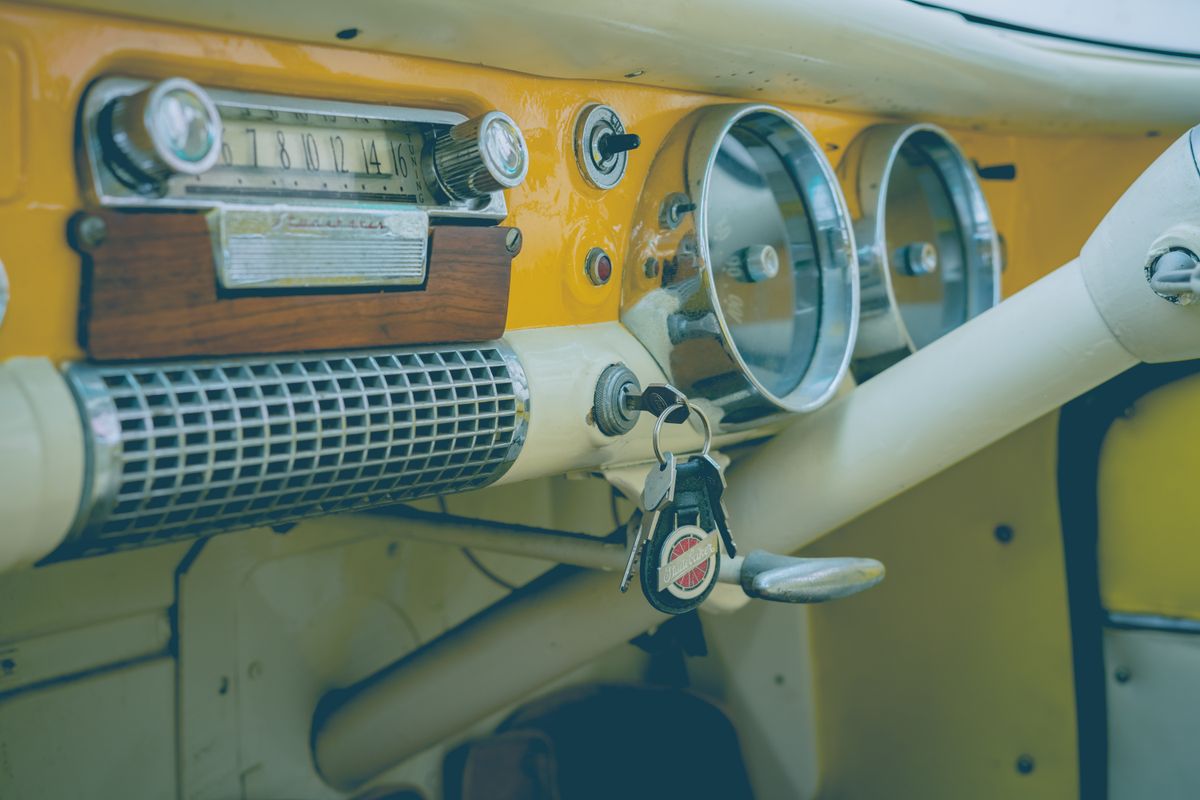
Photo via Pexels
There is no better place in Lee County for a convertible than St. James City. The town sits at the south end of Pine Island, surrounded by water, with marinas along the shore and the St. James City fishing pier drawing people out at first light. The drive off the island on Pine Island Road, across the causeway at Matlacha, is the kind of road a convertible was made for: open sky, water on both sides, and nowhere you need to be in a hurry. A beach car here is not a toy. It is part of the way people live, and the right one makes every trip feel like a small occasion.
But a convertible or a beach car in St. James City also faces harder conditions than the same car would face inland. Salt air works on the top, on the paint, and underneath. Sand gets into everything. The sun is relentless, and the summer rain arrives without warning. A convertible that has lived its whole life near the water will show it, and a buyer who does not know what to look for can end up with a car that leaks, a top that will not close, and a repair bill that costs more than the car is worth. This guide covers what to check, how to judge a convertible top, and how to buy a beach car that will actually last.
The first thing to understand is that a convertible is a car with a roof that moves, and that moving roof is a system of fabric or metal, motors, hydraulics, seals, and drains. Every part of that system can wear out, and every part of it is exposed to the same salt air and sun that wear out the rest of the car. A beach car is simpler, but it has its own problems: sand in the seats, salt on the paint, and an interior that has spent years in the sun. Both are worth buying, and both are worth inspecting properly.
The convertible top: the check that decides the deal
The top is the single most important thing to check on a convertible, and it is where most buyers make their mistake. They look at the paint, they listen to the engine, and they forget to put the top up and down. Do not make that mistake. Operate the top at least twice during your inspection, once up and once down, and watch and listen the whole time. It should move smoothly, without grinding, jerking, or stopping halfway. If it hesitates, strains, or makes a noise it should not make, that is a warning sign. A top that works slowly on a warm day will work worse on a cold one, and a top that stops halfway is a top that will leave you stuck in the rain.
Check the fabric or the panels carefully. On a soft top, look for fading, thinning, tears, and stitching that is coming apart. Run your hand along the seams and feel for rough spots or places where the material is thin. Look at the rear window. On many convertibles it is plastic, and it clouds, cracks, and scratches over time. A cloudy rear window is a safety problem, because you cannot see behind you properly. On a hard top convertible, check the panels for alignment, look at the seals, and listen for wind noise on the test drive. A hard top that does not seal properly will leak, and it will be noisy at highway speed.
Check the seals around the top, the doors, and the windshield header. Sun and salt dry rubber seals out, and worn seals let water in. Look for cracking, flattening, or gaps. Then check the drains. Convertibles have drain channels that carry rainwater away from the top mechanism, and those drains clog with leaves, sand, and debris. Clogged drains are one of the most common causes of leaks and interior water damage in a convertible. Ask the seller when the drains were last cleared, and look in the trunk and under the carpet for any sign of water. If you want a broader view of what water does to a car, our guide to flood and salt air damage in Florida explains the signs to look for.
Salt air, sand, and sun: the beach car reality
Every car in St. James City lives in salt air, and a convertible or a beach car lives in it with the top down. That means salt settles not just on the outside, but on the inside too: on the seats, on the dashboard, and in the top mechanism itself. When you inspect a beach car, get underneath it with a flashlight and look at the frame, the brake lines, and the suspension. Surface rust on a bolt is normal near the coast. Flaking metal is not. Check the top mechanism for corrosion as well, because a corroded motor or a rusted linkage is an expensive repair.
Sand is the other fact of beach life. A beach car will have sand in it, and that is normal. What you want to check is whether the sand is just on the surface or ground deep into the seats, the carpet, and the seat tracks. Slide the seats back and forth and feel for grinding. Look under the floor mats and in the trunk for sand that has worked its way deep. Check the convertible top folds for sand and debris, because sand in the folds wears the fabric and can jam the mechanism. A little sand is a sign the car was enjoyed. A lot of sand in the wrong places is a sign it was never cleaned properly.
The sun is the third enemy. A convertible or a beach car spends more time in the sun than most cars, and the interior pays for it. Check the dashboard for cracking, the seats for fading and drying out, and the steering wheel for wear. Leather seats that have lived in the Florida sun without care will be dry, cracked, and stiff. Cloth seats will be faded. Check the paint too, especially on the roof and the hood, where the sun hits hardest. Fading is cosmetic, but it tells you how the car was kept.
What to check under the hood and underneath
A convertible is still a car, and the mechanical checks matter just as much as the top. Open the hood and check the oil, the coolant, the transmission fluid, and the brake fluid. Look for leaks, frayed belts, and cracked hoses. Start the engine cold if you can and listen for rattles or squeaks. A convertible that has been enjoyed on the island will have miles on it, and that is fine, but it should have service records to match. Ask for them and look for regular oil changes and routine maintenance.
The cooling system deserves extra attention, because a convertible in Florida heat needs a healthy radiator and hoses. Check the coolant level and color, squeeze the upper radiator hose, and look for white crust around the connections, which signals a slow leak. Then check the air conditioning. Turn it on full blast and give it time to get cold. A convertible with the top up in a Florida summer needs air conditioning that works well, and a weak system is a dealbreaker.
Underneath, look for the same things you would look for on any coastal car: rust on the frame, corrosion on the brake and fuel lines, and wear on the suspension. Check the exhaust for heavy rust, and look at the spare tire well for water or silt. A convertible that leaks will often show the evidence in the trunk or the spare tire well before it shows anywhere else. If you are comparing convertibles against a more practical choice, our guide to buying a convertible in Florida covers the same ground from the statewide angle.
Driving a convertible on Pine Island
The test drive is where a convertible proves itself, and it has to cover more than just the engine. Drive with the top down first, on Pine Island Road and across the causeway at Matlacha, and listen for wind noise, rattles, and anything that sounds loose. A convertible is noisier than a sedan with the top down, but it should not rattle or shake. Then stop, put the top up, and drive again. Listen for wind noise around the seals, check for leaks around the windshield header, and make sure the cabin is quiet at highway speed. A top that seals well will be almost as quiet as a fixed roof. A top that does not will whistle, and that whistle will drive you mad on the 40-minute drive to Fort Myers.
Check the visibility with the top up. The rear window on a soft top convertible is smaller than a sedan's rear window, and the blind spots are larger. Make sure you can see behind you and to the sides, and check that the mirrors are adjusted properly. A backup camera helps a lot on a convertible, and it is worth having. Check the headlights for clouding too, because cloudy headlights cut your visibility at night on Pine Island Road, where there is not much street lighting.
Drive the car on the highway as well, because the drive to Fort Myers takes about 40 minutes northwest and includes highway speed on I-75 or US-41. A convertible should feel solid at highway speed, not floaty or nervous. Pay attention to how it brakes from speed, whether it pulls to one side, and whether the steering feels tight. Our test drive checklist gives you the full routine, and it is worth following.
The practical side: storage, insurance, and daily use
A convertible in St. James City needs a place to live. If you have a garage, that is the best answer, because it protects the top, the paint, and the interior from sun and salt air. If the car has to sit outside, a quality car cover helps, but it is not a substitute for a garage. A convertible left outside in a Florida summer will age faster than one that is garaged, and the top will wear out sooner. Think about where the car will sleep before you buy it, not after.
Insurance is worth pricing before you buy. A convertible can cost more to insure than a sedan, partly because the top is expensive to repair and partly because the car is more exposed to weather and theft. Call your insurance agent with the specific car you are considering and get a real quote. That ten-minute call can save you from a surprise. And check the paperwork side too. Florida gives you 30 days to transfer the title at the Lee County Tax Collector, and you will need the signed title, proof of insurance with PIP and PDL coverage, and your identification. Our guide to Florida title, registration, and insurance covers the steps.
Daily use is the last question. A convertible is a wonderful car for St. James City, but it is not the most practical car for every job. It will not tow a boat, it will not carry a full load of groceries and fishing gear, and it will not keep you dry in a summer downpour with the top down. Many island households keep a convertible as a second car and a truck or SUV as the workhorse. If you want the practical side of that equation, our guide to used trucks for work and play in St. James City and our roundup of the best family SUVs for St. James City drivers both cover the workhorse side.
Frequently asked questions
Is a convertible a good idea in St. James City? Yes, if you love open-top driving and you inspect the top properly. The island roads and the causeway are made for a convertible. But the top is a complex system, and salt air, sand, and sun wear it out faster here than inland, so check it carefully before you buy.
What is the most important thing to check on a used convertible? The top. Operate it up and down at least twice, listen for grinding or hesitation, check the fabric or panels for wear, look at the rear window, and check the seals and drains. A top that does not work properly is an expensive repair.
How does salt air affect a convertible? Salt air speeds up rust underneath the car, corrodes the top mechanism, and wears out the rubber seals. Look underneath with a flashlight, check the top mechanism for corrosion, and look at the seals for cracking or gaps. A car that spent its life inland will usually be in better shape.
Can a convertible handle the drive to Fort Myers? Yes, if the top seals well and the car is in good mechanical condition. Test it with the top up at highway speed and listen for wind noise. A well-sealed top is almost as quiet as a fixed roof, and the car should feel solid at highway speed.
Should I keep a convertible outside? A garage is best, because it protects the top, the paint, and the interior from sun and salt air. If the car has to sit outside, use a quality cover and keep the drains clear. A convertible left outside in a Florida summer will age faster than one that is garaged.
A convertible in St. James City is one of the great pleasures of island life, and the right one will give you years of open-top driving on Pine Island Road and across the causeway. Browse the inventory to see the cars on the lot right now, then call Joe at (239) 364-0709 and tell him what you are looking for. When you come over, put the top up and down twice, check the seals and the drains, and drive it with the top down and the top up. The convertible that passes those tests is the one worth taking home to the island.
Questions about a car?
Call Joe — he’ll give you a straight answer and, if there’s a car you like, have it ready for a test drive.
Book an appointmentBrowse inventory

