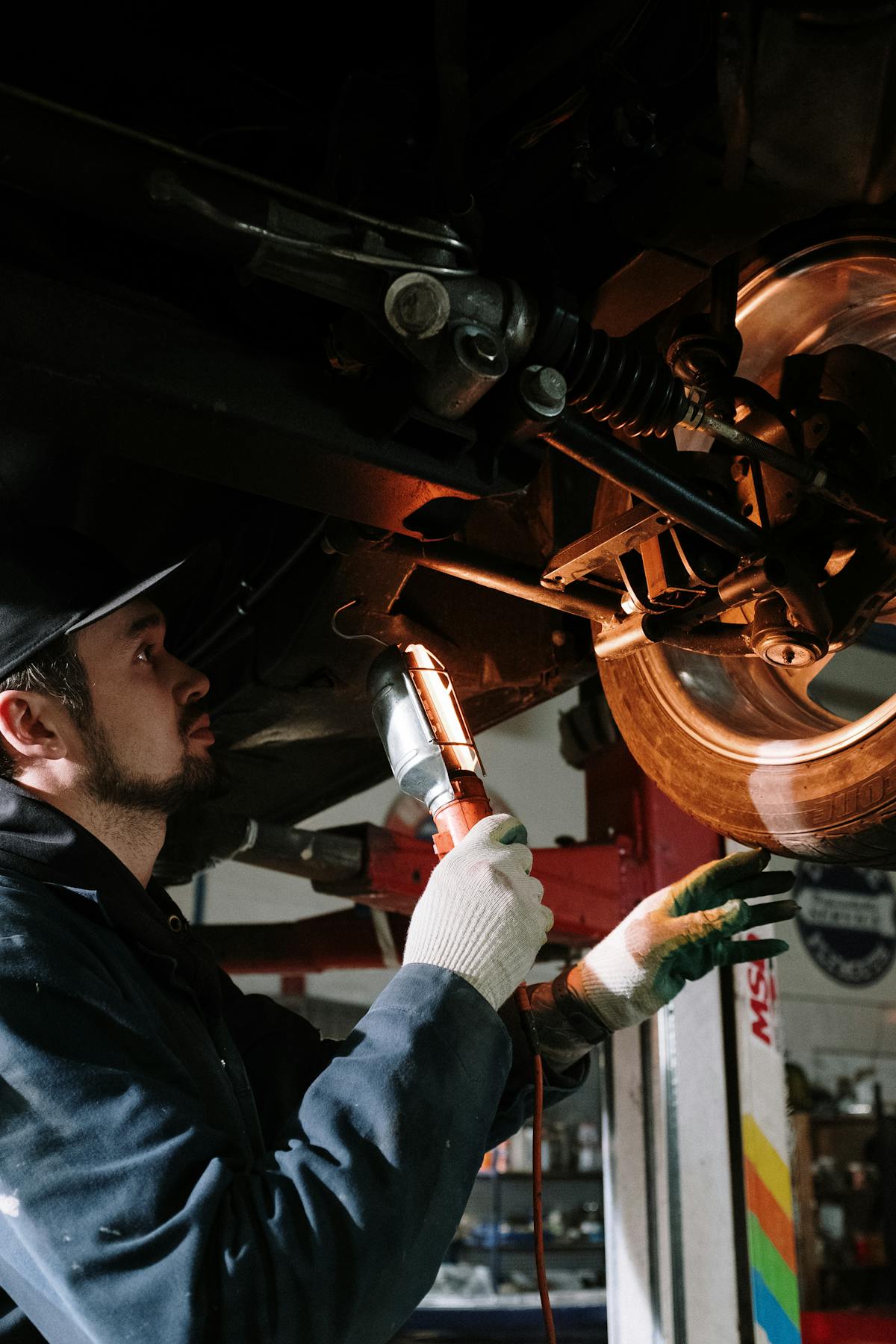
Photo via Pexels
Page Park is a small residential community off US-41, about fifteen minutes south of Fort Myers, and it is close enough to the coast that the beach is a real part of weekend life. A drive to Fort Myers Beach or out toward Sanibel is a short trip, and on a clear evening with the top down, it is one of the best drives in Lee County. That is why convertibles and beach cars have a special place here. They are not the most practical cars in the world, but on the right day, on the right road, they are the most enjoyable.
A used convertible is a different purchase than a used sedan, though. It has moving parts a hardtop does not have, seals that age in the sun, and an interior that is exposed to the weather in a way no other car is. Buy the right one and you will love it. Buy the wrong one and you will spend your weekends fixing a leaking top instead of driving with it down. This guide covers what to check before you buy, so the convertible you bring home is the one you actually enjoy.
The convertible top: the heart of the car
The top is the single most important part of a used convertible, and it is where most of the trouble lives. Start with the obvious: put the top up and put it down, more than once. It should move smoothly and steadily, with no grinding, no hesitation, and no warning lights on the dashboard. Listen carefully. A healthy power top sounds like a quiet motor working evenly. A struggling top sounds like a motor straining, a pump whining, or a mechanism catching on something it should not catch on.
Look at the top itself, whether it is fabric or a folding hardtop. A fabric top should be free of tears, worn patches, and stains that suggest it has been leaking. Check the seams and the stitching, which are the first places a fabric top fails. A hardtop should close flush and even, with no gaps or misalignment, and the panels should meet cleanly at every joint. Run your hand along the edges and feel for unevenness that suggests the top has been repaired or adjusted poorly.
Then check the seals. The rubber seals around the top, the windows, and the doors are what keep the rain out, and in Florida they age faster than anywhere else. Look for seals that are cracked, flattened, or pulling away from the body. Close the top and look for daylight showing through any gap. A convertible that leaks in a summer downpour is a car you will not enjoy, and a leaking top can also let water into the interior, where it causes the same kind of hidden damage as a flood. Our guide to buying a convertible in Florida covers the top inspection in full detail.
Water, salt air, and sand: the beach car enemies
A convertible that lives in Page Park faces three enemies that a hardtop car mostly avoids. The first is water. A convertible interior is exposed to the weather every time the top is down, and even with the top up, the seals are never as watertight as a fixed roof. Check the carpet and the seats for dampness, staining, or a musty smell that suggests water has been getting in. Lift the floor mats and look at the carpet underneath. Check the trunk for dampness too, because water that gets past the top seals often ends up there.
The second is salt air. It drifts inland from the coast and works on the underside of a car quietly for years, but on a convertible it also works on the top mechanism, the window regulators, and the seals. Look underneath the car for rust on the frame and the suspension, and check the top mechanism for corrosion on the hinges and the hydraulic lines. Our guide to flood and salt-air damage explains what to look for underneath, and it is worth reading before you shop for any open-top car.
The third is sand. A beach car carries sand everywhere: in the carpet, in the seat tracks, in the door seals, and in the convertible top mechanism. A little sand is normal for a car that goes to the beach, but a lot of sand in the wrong places tells you the car has been used hard and not cleaned well. Check the seat tracks by sliding the seats back and forth and listening for grinding. Check the top mechanism for grit. Sand in a power top mechanism is a repair waiting to happen, and it is one of the things a casual inspection misses entirely.
The rest of the car still matters
A convertible is still a car, and everything that matters on a sedan matters on a convertible too, sometimes more. The air conditioning is critical, because a convertible with the top up on a July afternoon in traffic on US-41 is a greenhouse, and the AC has to work hard to keep it comfortable. Run the AC on every setting during your test drive and make sure the air gets properly cold. If it does not, that is a repair waiting to happen, and it is one you will feel every single day.
The structure matters too. A convertible has no fixed roof to stiffen the body, so it relies on extra bracing underneath, and that bracing takes a beating on rough roads. Drive the car over uneven pavement and listen for creaks, rattles, and flexing noises that you would not hear in a hardtop. Some noise is normal in a convertible, but excessive creaking or a feeling that the car is twisting over bumps suggests worn bracing or a body that has been stressed.
Check the tires, the brakes, and the suspension the same way you would on any used car. Heat ages rubber faster in Southwest Florida, so check the tire sidewalls for cracking. Test the brakes on your test drive and feel for pulling or pulsing. And read the vehicle history report. Learn how to read a vehicle history report before you shop, because it shows accidents and title problems that matter even more on a convertible, where a repaired body can mean a top that never seals properly again.
Driving it the way you will actually drive it
A convertible test drive should include the top down and the top up, because you will drive it both ways. Start with the top down on a quiet stretch and feel how the car handles the wind. Some convertibles are calm and comfortable with the top down at highway speed, and some are loud and tiring. Drive on I-75 with the top down and see whether you can hold a conversation or whether the wind noise makes it impossible. That matters more than it sounds like, because a convertible you cannot talk in is a convertible you will not enjoy on a longer drive.
Then put the top up and drive the same stretch. Listen for wind noise around the seals, which tells you how well the top fits. A convertible with the top up should be reasonably quiet. If you hear whistling or rushing air at speed, the seals are worn or the top is misaligned, and that is a problem that will get worse, not better. Drive through a car wash or, better yet, wait for a rain shower and see whether any water gets in. That is the test that matters most, and it is the one that separates a good convertible from a leaking one.
Use the 15-minute test-drive checklist to keep the drive organized. It covers the checks that matter for any used car, and the convertible-specific checks in this guide fill in the rest. If anything feels off, say so. A good seller would rather talk through a concern than have you discover it a week later in a summer downpour.
Beach car practicalities: space, storage, and cleanup
A beach car needs to carry beach gear, and that is a practical question that is easy to overlook when you are focused on the top. Check the trunk with the top down, because on many convertibles the folding top eats into the trunk space. If you cannot fit a cooler, a couple of beach chairs, and a bag in the trunk with the top down, the car will frustrate you every weekend. Bring your actual beach gear to the lot and try loading it. That is the only way to know for sure.
Think about cleanup too. A beach car gets sandy, wet, and salty, and the interior needs to be easy to clean. Leather seats wipe down more easily than cloth, and rubber floor mats are worth their weight in a car that goes to the beach. Check whether the car has floor mats that can be removed and hosed off, and whether the seats show staining from sand and salt. A car that has been to the beach every weekend for years will show it in the interior, and that wear tells you how the previous owner treated it.
Consider a second car for the beach if you can. A convertible is a wonderful weekend car, but it is not the best daily driver for the US-41 commute in a summer downpour, and it is not the best car for a grocery run or a school run. Many Page Park households keep a practical daily driver and a convertible for the weekends, and that combination works well. Our best commuter cars for Page Park guide covers the daily driver side of that pair.
Frequently asked questions
What is the most important thing to check on a used convertible? The top. Put it up and down more than once, listen for grinding or hesitation, check the fabric or panels for damage, and inspect the seals for cracking or gaps. A top that does not work smoothly or does not seal properly is the most expensive problem a convertible can have.
Do convertibles leak in Florida rain? A good one does not, but a worn one will. Check the seals around the top, the windows, and the doors, and look for water stains or a musty smell inside. If you can, test the car in rain or through a car wash before you buy.
Is a convertible a good daily driver in Page Park? It can be, but most owners find a convertible works best as a second car. It is wonderful on a clear evening drive to the beach, but a hardtop is more practical for the daily US-41 commute in summer downpours. Many Page Park households keep both.
How does salt air affect a convertible? Salt air accelerates corrosion on the top mechanism, the window regulators, the seals, and the underside of the car. Check all of those areas carefully, and read our guide to flood and salt-air damage before you shop.
Should I get a pre-purchase inspection on a convertible? Yes, always. A mechanic can put the car on a lift, check the top mechanism and the hydraulics, and find the problems you cannot see from the driver's seat. It is the best money you will spend on a convertible purchase.
A convertible in Page Park is about the feeling of a clear evening, the top down, the road to the beach open in front of you. Buy the right one and you will have that feeling for years. Browse the inventory to see what is on the lot, and come put the top down and take a real test drive on US-41 and I-75. If you would rather talk it through first, call Joe at (239) 364-0709 or reach out through the contact page. Bring your beach gear, test the trunk, and find the open-top car that fits your weekends.
Questions about a car?
Call Joe — he’ll give you a straight answer and, if there’s a car you like, have it ready for a test drive.
Book an appointmentBrowse inventory

