Joes’ Cars Fort Myers · Buying Guide
Buying a Used Car in Pineland: The Complete Guide
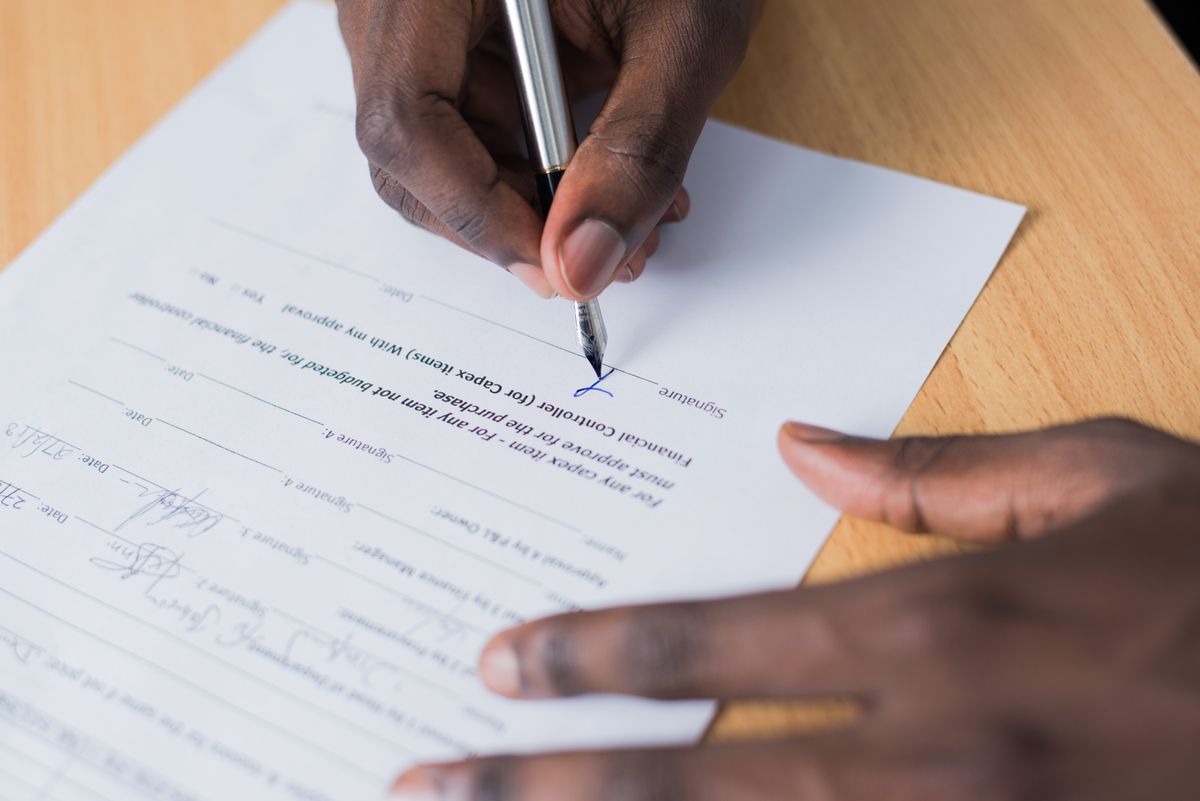
Photo via Pexels
Pineland is one of the quietest corners of Lee County, and buying a car here works a little differently than it does in the middle of Fort Myers. There is no car lot on Pine Island, no row of dealerships to wander between, and no quick pop-in to compare three cars on a lunch break. When you live in Pineland, buying a used car means planning a trip off the island, knowing what you want before you leave, and choosing a car that fits island life once you bring it home.
The good news is that the drive is straightforward and the buying process is the same one every Florida buyer follows. The difference is in the details, and in Pineland the details are salt air, standing water after summer storms, and a daily drive that runs the length of Pine Island before it ever reaches the mainland. Get those details right and the car you buy will serve you well for years.
Getting from Pineland to Joe's lot
The trip from Pineland to Joes' Cars in Fort Myers takes about 35 minutes northwest on Pine Island Road, and it is worth planning rather than rushing. Pine Island Road runs the length of the island, through Matlacha and across to the mainland, where it connects toward US-41 and Colonial Boulevard. It is a pleasant drive most of the year, but during snowbird season the traffic thickens noticeably, especially around Matlacha, where the narrow bridge and the fishing-town pace slow everything down. Leave yourself extra time in the winter months, and plan your visit so you are not trying to test drive a car in the middle of the afternoon thunderstorm that Southwest Florida delivers almost daily in summer.
Before you leave the island, do the homework that saves a wasted trip. Browse the inventory online, narrow it to two or three cars that fit your budget and your needs, and call Joe at (239) 364-0709 to confirm they are still available and to book a time. A quick call also lets you talk through what the car will be used for, which matters more than most buyers realize. A truck that will tow a boat from a Pine Island ramp is a different purchase from a sedan that will mostly sit in a driveway and make grocery runs to Cape Coral, and Joe can steer you toward the right cars before you spend the fuel.
When you do make the trip, bring everything you would need to buy on the spot if the right car is there: your driver's license, proof of insurance, and a way to pay. There is nothing more frustrating than finding the car you want, then having to drive back to the island for a document and hope nobody else buys it in the meantime. If you are trading in your old car, drive it to the lot so Joe can see it in person, and bring its title with you. If you are financing, get your pre-approval sorted before the trip, and read our financing guide so you know what the lender will ask for.
One more practical point: plan your route home. The drive back to Pineland is the same Pine Island Road you came in on, and it is the perfect first drive for your new car. You will learn how it handles at island speeds, how the air conditioning copes with the heat, and whether anything feels off before you are far from the lot. If something does not feel right on that drive home, call Joe right away rather than waiting a week.
What island life does to a car
A car that lives in Pineland lives a harder life than a car that lives inland, and the reasons are all around you. Salt air drifts in from Pine Island Sound and Matlacha Pass, and it works its way into every exposed piece of metal. You will see it first on brake rotors, exhaust parts, and the underside of a car that has spent years near the water. That does not mean every island car is a rust bucket, but it does mean you should look underneath any car you are considering and take rust seriously. Surface rust on a bolt is normal. Flaking, bubbling, or soft metal on the frame, the floor pans, or the suspension mounts is a reason to walk away.
Heat is the second island enemy. A car parked in Pineland spends its days in full Florida sun, and the interior takes the punishment. Check the dashboard for warping or cracking, run every vent and make sure the air conditioning blows cold at idle as well as at speed, and look at the condition of the seats, the steering wheel, and the door seals. A car whose AC struggles on a hot afternoon in Fort Myers will not get better once it is parked on Pine Island in August. Our AC checklist covers the salt-air and flood signs in detail, and it is worth reading before you inspect any car.
Standing water is the third concern. Summer downpours flood low stretches of road across Lee County, and Pine Island is no exception. A car that has been driven through deep water, or worse, parked in it, can carry hidden damage for years. Lift the floor mats and feel the carpet underneath, sniff for a musty smell that air freshener is trying to hide, and check under the seats and in the spare tire well for silt, sand, or water lines. Electrical gremlins that appear months after a purchase are often the delayed result of water exposure, so this check is worth your time even when the car looks clean.
Finally, think about how the car will actually be used. Pineland is a quiet fishing and research community, the old Calusa capital, and the pace of life here is slower than in Fort Myers. A car that spends its days on short island trips and the occasional run to Cape Coral or Fort Myers needs to be reliable at low speeds and comfortable on the long straight run down Pine Island Road. It needs room for fishing gear, coolers, and whatever else island life demands, and it needs to start every single time, because there is no bus to fall back on out here.
The test drive that actually tells you something
A proper test drive takes about fifteen minutes and follows a plan, and it matters even more when your daily driving is as specific as Pineland's. Start with the car cold, before the engine has been warmed up for you, because a cold start reveals problems that a warm engine hides. Listen for rough idling, watch for smoke from the exhaust, and note any warning lights that stay on after the engine catches. Then drive the car the way you will actually drive it: some slow island-speed cruising, some steady speed on a main road like Colonial Boulevard or US-41, and at least one stretch where you can merge and get up to highway speed.
On the drive, test everything you will use every day. Run the air conditioning at full blast and make sure it stays cold at a stoplight, not just at speed. Turn the steering wheel fully in both directions in a parking lot and listen for clicking or groaning. Brake firmly from speed and feel for pulling, pulsing, or grinding. Drive over a rough patch of road and listen for rattles, clunks, or squeaks from the suspension. Our 15-minute test drive checklist is a good companion for this, and it is worth reading before you leave the island so the steps are fresh in your mind.
Pay special attention to the things that matter on Pine Island Road. The car should track straight without constant correction, because you will spend a lot of time on one long road. The ride should be comfortable over the patched and uneven sections, not harsh or bouncy. And the visibility should be good in both directions, since passing on a two-lane road and pulling out of island driveways both depend on seeing clearly.
When you get back to the lot, do the checks that only work with a warm car. Pop the hood and look for leaks, smell for burning oil or coolant, and check the transmission fluid if the car has a dipstick. Look underneath for fresh drips on the pavement where the car was parked. Walk around the car again and look at the tires, the lights, and the body panels in daylight. A car that looks good cold and warm, drives straight, stops smoothly, and keeps you cool is a car worth buying.
The vehicle history report and the pre-purchase inspection
No matter how good a car looks and drives, you should know its past before you pay for it. A vehicle history report shows the title history, reported accidents, flood and salvage records, and the number of previous owners, and it is one of the cheapest forms of protection in the whole buying process. Our guide on how to read a vehicle history report explains what each section means and which red flags should stop a purchase cold. Read it before you get attached to any car, because it is much easier to walk away from a car you have not yet fallen for.
A history report is a starting point, not a guarantee. It only shows what was reported, and not every accident or flood gets reported. That is why a pre-purchase inspection by an independent mechanic is worth every penny on a used car, especially one that will live near salt water. A mechanic can put the car on a lift, look at the frame and the underside properly, check the brakes and suspension, scan the computer for stored trouble codes, and tell you what will need attention in the next year. If the seller will not let you take the car for an inspection, that is information too, and you should take it seriously.
In Pineland, the inspection should pay special attention to rust underneath, the condition of the air conditioning, and any sign of past water exposure. Ask the mechanic to check the wiring connectors and the fuse box for corrosion, which is a common salt-air problem, and to look at the exhaust system, which rusts faster near the coast than it does inland. A car that passes a careful inspection with only normal wear items noted is a car you can buy with confidence.
If the inspection turns up problems, you have options. Minor wear items are normal on a used car and are part of the ownership cost. Major problems, like frame rust or a failing transmission, are reasons to walk away or to negotiate honestly about what the car is actually worth. Never let excitement over a particular car override what the inspection tells you. There will always be another car, and the right one is the one that passes the checks.
Frequently asked questions
How long is the drive from Pineland to Joe's lot in Fort Myers? About 35 minutes northwest on Pine Island Road, through Matlacha and across to the mainland. During snowbird season, allow extra time, because traffic around Matlacha and on the mainland roads gets heavier. It is a good idea to call Joe at (239) 364-0709 before you leave so you can confirm the cars you want to see are still available and book a time to look at them.
What kind of car is best for living in Pineland? For most households, a truck or an SUV fits island life best, because of the ground clearance, the cargo room for fishing gear, and the ability to handle flooded streets and boat ramps. A comfortable SUV is ideal if your driving is mostly the commute to Cape Coral or Fort Myers, while a pickup makes sense if you tow a boat or haul gear regularly. The key is matching the car to what you actually do every week, not to what looks good in a photo.
Should I worry about salt air and rust on a car in Pineland? Yes, but it is manageable if you check for it before you buy. Salt air from Pine Island Sound and Matlacha Pass speeds up corrosion underneath a car, so look at the frame, floor pans, suspension parts, and exhaust for flaking or soft metal. Surface rust on a bolt is normal, but structural rust is a reason to walk away. A pre-purchase inspection by a mechanic is the best way to get an honest answer about the underside.
Do I need a pre-purchase inspection if the car looks and drives well? Yes, and it is especially important for a car that will live near the water. A history report only shows what was reported, and a mechanic on a lift can spot rust, leaks, worn suspension, and stored trouble codes that you cannot see from the driver's seat. The cost of an inspection is small compared with the cost of a surprise repair, and a clean inspection gives you real confidence in the purchase.
What paperwork do I need to transfer the title in Lee County? You need the signed title, proof of Florida insurance with PIP and PDL coverage, and your identification, and the transfer has to happen within 30 days of the purchase at the Lee County Tax Collector's office. Florida sales tax of 6 percent plus the county surtax is collected when you register the car, so budget for that as part of the total cost.
Buying a used car from Pineland takes a little more planning than buying from the middle of town, but the process is the same and the payoff is a car that fits island life. Start by browsing the inventory, pick the two or three cars that fit your life on Pine Island, and call Joe at (239) 364-0709 to book a time to see them. Bring your paperwork, take a proper test drive, get the car inspected, and handle the title transfer at the Lee County Tax Collector within 30 days. Do those things and the drive home down Pine Island Road will be the start of years of reliable driving, not the start of a problem. When you are ready, contact Joe or just call, and come see the cars in person.
Questions about a car?
Call Joe — he’ll give you a straight answer and, if there’s a car you like, have it ready for a test drive.
Book an appointmentBrowse inventory

