Joes’ Cars Fort Myers · Buying Guide
Buying a Used Car in Bonita Springs: The Complete Guide

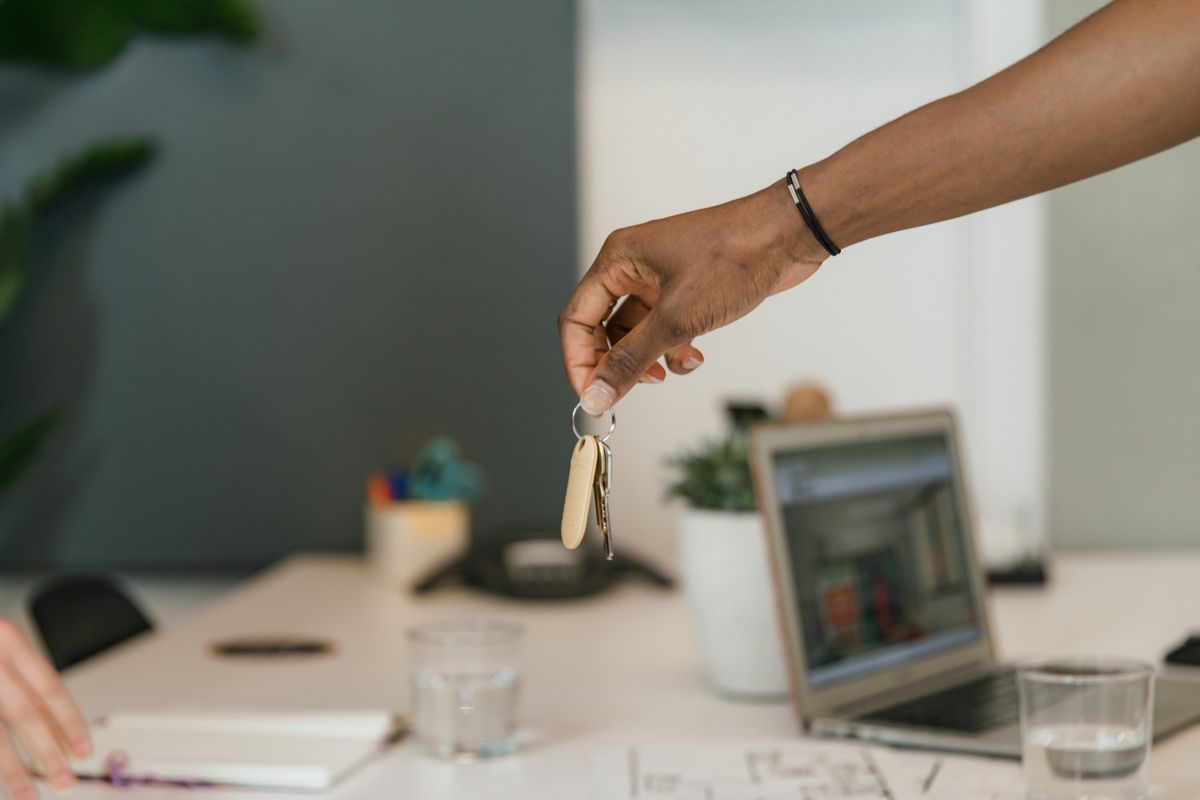
Photo via Pexels
Buying a used car in Bonita Springs is not quite the same as buying one anywhere else in Florida. This is a beach-and-river town, where a car might spend its mornings parked near Bonita Beach, its afternoons in a gated golf community off Bonita Beach Road, and its weekends hauling beach chairs and coolers to Barefoot Beach Preserve. Salt air, summer downpours, and snowbird-season traffic all leave their mark on a vehicle, and a smart buyer checks for those marks before signing anything.
The good news is that the process itself is straightforward, and the drive to Joe's lot is an easy one. Joes' Cars sits on Colonial Boulevard in Fort Myers, about 25 minutes north of Bonita Springs on US-41 or I-75. That short drive is worth it: you get to see the car in person, drive it on real roads, and talk through the paperwork face to face instead of guessing from photos. This guide walks you through the whole trip, from planning the visit to driving your new car home along the Imperial River.
Getting to Joe's Lot from Bonita Springs
The simplest route from Bonita Springs to Colonial Boulevard is US-41 north, straight through Estero and into Fort Myers. It is the scenic route, too — you pass the Estero Bay Preserve on one side and the familiar strip of shops and restaurants on the other. If you would rather skip the lights, take I-75 north to the Colonial Boulevard exit instead. Either way, plan for about 25 minutes outside of rush hour, and a little longer when snowbird season fills both roads.
Before you leave, do two things. First, browse the inventory and pick two or three cars you would like to see, so your visit has a plan instead of a wandering start. Second, call Joe at (239) 364-0709 to confirm the cars are still there and to set a time. A quick call saves a wasted trip, and it lets Joe have the cars pulled up and ready when you arrive.
Bring what you need for the day: your driver's license, your insurance information, and, if you are trading in your current car, its title and registration. If you are financing, bring your pre-approval letter or the lender's contact details. Our guide to buying a used car in Florida covers the full document checklist, and it is worth a read before you head north.
What a Bonita Springs Car Has to Handle
A car that lives in Bonita Springs works in conditions most of the country never sees. The first is salt air. Bonita Beach and the Gulf are close enough that the breeze carries salt inland, and salt is patient: it works on brake lines, exhaust parts, and the underside of a car a little at a time. A car that spent its life parked a few blocks from the beach will show more underbody corrosion than one that lived inland, even if both look clean from the top. Get underneath the car, or ask Joe to put it on a lift, and look at the frame, the suspension parts, and the brake lines before you decide.
The second is water. Bonita Springs sits low, with the Imperial River winding through town and canals threading the neighborhoods. Summer downpours can flood a street in minutes, and hurricane season brings storm surge to the beachfront areas. A car that has sat in standing water hides the damage well: the carpets dry, the seats get cleaned, but the wiring and the electronics remember. Our guide to flood and salt air damage in Florida explains exactly where to look — under the seats, inside the trunk, behind the kick panels — and what smells and stains give a flooded car away.
The third is heat. A Bonita Springs summer means the air conditioning runs hard from April through October, and a weak AC system will announce itself on the first hot afternoon. Test the AC on your test drive, on full blast, and listen for rattles or weak airflow. While you are at it, check the tires: heat and sun wear rubber faster here, and a car that sat parked in a gated community for months at a time can have flat spots and cracked sidewalls.
The Checks That Matter Most Here
Start with the history report. Ask for the vehicle history report and read it the way our guide to reading a vehicle history report teaches: look for a title brand, for registrations in flood-prone areas, and for gaps in the record where a car may have sat unregistered. A clean report is a good sign, not a guarantee — it is one piece of the picture, and the physical inspection is the other.
Then walk the car slowly. Open every door, the hood, and the trunk, and look at the edges and seams for rust bubbling under the paint. Pull up the trunk mat and look at the spare-tire well, which is one of the first places standing water collects. Lift the floor mats and press the carpet — dampness underneath is a red flag. Run your hand along the seat tracks and the bolts under the seats; rust there is a strong sign the car has been wet inside.
Take the car on a real test drive, not a loop around the block. Our 15-minute test drive checklist is built for exactly this: city streets, a stretch of highway, a parking lot for slow turns, and a few minutes with the radio off so you can hear the car itself. From Colonial Boulevard you can get onto I-75 quickly for a highway run, then come back through Fort Myers on surface streets. Listen for humming from the tires, pulling to one side, and any shudder when you brake. Turn the steering wheel all the way in a parking lot and listen for clicks or groans.
Finally, get an independent inspection if the car is one you are serious about. A local mechanic's hour on a lift is the cheapest insurance in the whole buying process. Ask them to focus on the underbody, the suspension, the brakes, and the cooling system — the four places where a Gulf-coast car shows its age first.
Budgeting Without Surprises
The price on the windshield is not the whole cost of buying a car, and the honest way to budget is to count everything before you fall in love with a particular vehicle. Florida charges 6% state sales tax plus a county surtax on a vehicle purchase, and that tax is due when you register the car. On top of that come the title transfer fee and the registration, handled through the Lee County Tax Collector. None of these are hidden, but they are easy to forget when you are focused on the car itself.
Insurance is the other number to pin down early. Florida requires PIP and PDL coverage, and your premium depends on the car, your driving record, and where the car is garaged — a Bonita Springs address in a beachfront zip code can price differently from an inland one. Call your insurer with the VIN of the car you are considering before you buy, and get the real quote in writing. It takes ten minutes and it removes the worst kind of surprise: the one that arrives after you have already signed.
Set aside a small reserve for the first month of ownership, too. Even a well-checked used car may want new wiper blades, a cabin filter, or a set of tires sooner than you expect, and having that money ready means you enjoy the car instead of resenting it. If you are financing, our guide to financing a used car before you apply walks through how to compare offers and what the monthly payment really covers.
Paperwork: Title, Registration, and Insurance
Florida gives you 30 days to transfer the title into your name after you buy a car, and the place to do it is the Lee County Tax Collector's office. When you buy from Joe's lot in Fort Myers, the sale happens in Lee County, so the title work starts there. Bring the signed title, your proof of Florida insurance, your driver's license, and payment for the title transfer and registration fees. The Tax Collector's office handles the title, the registration, and the plates in one visit.
If you live in Bonita Springs, your registration and plates come from the same process — you register the car where you buy it and the plates follow you home. Keep the bill of sale and a copy of the signed title in the glove box until the new title arrives in the mail. Our full guide to Florida title, registration, and insurance walks through every document, including what to do if you are trading in a car and need to transfer a plate.
One thing to settle before you drive away: insurance. Do not leave the lot without coverage on the new car. Most insurers can add a vehicle over the phone in minutes, and a quick call from the lot is all it takes. Driving uninsured in Florida is a fast way to turn a great day into a bad one.
Timing Your Purchase Around Snowbird Season
Bonita Springs changes with the seasons. From late fall through spring, snowbirds fill the gated golf communities and the beach cottages, US-41 and Bonita Beach Road slow down, and the whole town runs at a busier pace. That matters for your car purchase in two ways. First, the drive to Fort Myers takes longer, so leave extra time for your visit. Second, demand for practical cars — SUVs that carry beach gear, comfortable sedans for the golf-club run — rises with the seasonal population, so the car you want may not wait for you.
If you can, shop in the late spring or summer, when the seasonal crowd has thinned and the roads are quieter. You will have an easier drive, a more relaxed visit, and more time with each car. But if you need a car during the season, do not wait: pick your cars from the inventory, call ahead, and move quickly once you have found the right one. A convertible for the beach run or a beach-friendly SUV for the whole family are the two shapes that fit Bonita Springs life best, and both are popular for a reason.
Frequently asked questions
How long is the drive from Bonita Springs to Joes' Cars? About 25 minutes north on US-41 or I-75 to Colonial Boulevard in Fort Myers. Leave extra time during snowbird season, when both routes run slower, especially around Estero and the Daniels Parkway interchange.
Where do I transfer the title after buying? At the Lee County Tax Collector's office, since the sale takes place in Fort Myers. Florida gives you 30 days to complete the transfer. Bring the signed title, proof of Florida insurance, your driver's license, and payment for the title and registration fees.
What should I check for flood damage on a car in Bonita Springs? Look under the carpets and in the spare-tire well, check the seat-track bolts for rust, sniff for a musty or chemical smell, and look for silt or a water line inside the trunk and door pockets. A vehicle history report helps, but the physical inspection is what catches a car that has been in standing water.
Is a convertible a good choice for Bonita Springs? Yes, for many buyers — the beach run and the open-air drive along the Gulf are exactly what convertibles are for. Check the soft top or the folding hardtop carefully for leaks and wear, test the AC, and make sure the top operates smoothly. Our guide to buying a convertible in Florida covers the top and seal checks in detail.
Can I trade in my current car when I buy? Yes. Bring the title and registration for your trade, and read our guide to trading in your old car first so you know what your car is worth and how the trade affects the tax and title paperwork.
Come see the cars in person — that is where the decision gets made. Browse the inventory, pick a few favorites, and call Joe at (239) 364-0709 to set a time to come up from Bonita Springs. The drive is short, the coffee is on, and the right car for beach days, golf-club runs, and everything in between is waiting on Colonial Boulevard.
Questions about a car?
Call Joe — he’ll give you a straight answer and, if there’s a car you like, have it ready for a test drive.
Book an appointmentBrowse inventory