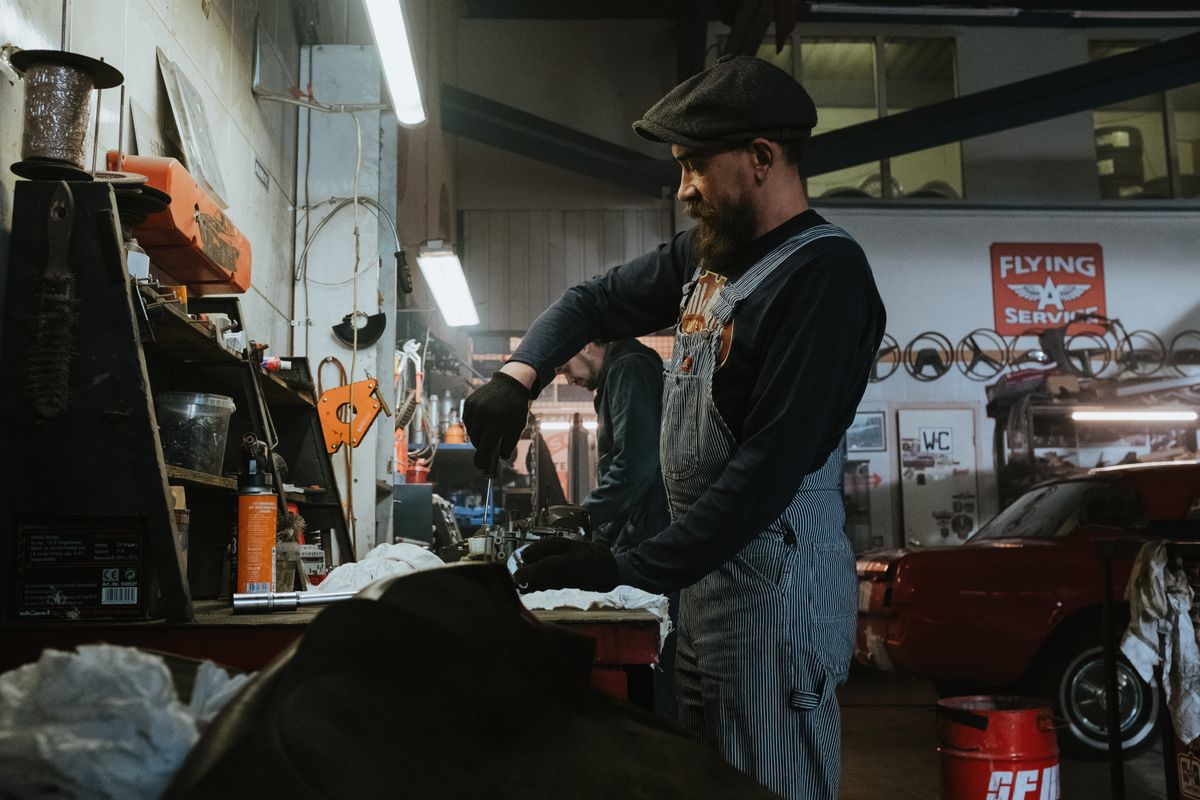
Photo via Pexels
A work truck is not a lifestyle purchase. It is a tool, and like any tool, it either does the job or it does not. In Fort Myers, a work truck might haul materials to a job site off Daniels Parkway in the morning, tow a trailer across the Midpoint Bridge in the afternoon, and sit in a driveway in Lehigh Acres overnight — and it has to be ready to do it all again the next day. The truck that cannot do that is not a bargain at any price.
Buying a used work truck is different from buying a used car. Trucks get worked hard, and the signs of that work are written all over them — in the bed, underneath, and in the service history. This guide covers what to look for in a truck that earns its keep, the checks that catch expensive problems, and the mistakes that turn a workhorse into a money pit.
Define the job before you shop for the truck
The first mistake in truck shopping is buying the biggest truck on the lot when the job calls for something smaller, or buying a light-duty truck when the job needs a heavy one. Before you look at a single truck, write down what it has to do. What do you haul, and how much does it weigh? What do you tow, and how heavy is the trailer when it is loaded? How far do you drive each day, and how much of that is highway?
Payload and towing capacity are not suggestions — they are limits. A truck that is regularly loaded beyond its rated capacity will wear out its suspension, brakes, and transmission far faster than a truck that works within its limits. If you tow a boat to the ramp at Fort Myers Beach every weekend, you need a truck whose towing capacity covers the boat, the trailer, the fuel, and the gear with room to spare. If you haul pallets of tile or bundles of lumber, you need a bed and a payload rating that handle the weight without the rear suspension sagging to the bump stops.
Think about the cab too. A regular cab is fine for a solo driver who uses the truck as a tool and nothing else. An extended cab works for a driver who occasionally carries a helper or a child. A crew cab is the right choice if the truck doubles as the family vehicle on weekends — and in Fort Myers, many work trucks do exactly that. But a crew cab with a short bed is a different truck than a regular cab with a long bed, and the bed length decides what you can actually haul. Measure the things you carry most often and make sure the bed fits them.
Finally, think about where the truck will work. If your job sites are down unpaved roads or on sandy lots near the coast, ground clearance and four-wheel drive matter. If you work mostly on paved roads in town, two-wheel drive saves fuel and maintenance. Buy the truck for the job you actually do, not the job you imagine doing someday.
The bed tells the truth about a work truck
A work truck's bed is its resume. Look at it first, because it tells you how the truck was used and how it was cared for. A bed with a spray-in liner that is intact and clean is a good sign — it means the owner protected the bed. A bed with deep dents, gouges in the metal, and rust showing through is a truck that hauled heavy, sharp things without protection, and the damage may go deeper than the surface.
Check the bed floor for straightness. Lay a long straight edge or just sight down the bed — a floor that is wavy or bowed has carried loads it should not have, or has been overloaded repeatedly. Look at the tie-down points and the bed rails. Bent or broken tie-downs, cracked bed rails, and a tailgate that does not close properly or drops when you open it are all signs of hard use. A tailgate that sags or will not latch is a repair you should know about before you buy.
Look underneath the bed as well. The frame is the truck's backbone, and a bent or cracked frame is a dealbreaker. Check for rust on the frame rails, especially near the rear wheels and the hitch area, where salt and moisture collect. Florida's salt air is hardest on trucks that work near the coast — launching boats at Fort Myers Beach, hauling materials to Sanibel, or working on waterfront job sites. Surface rust on a frame is normal for an older truck, but flaking, scaling, or perforated metal means the frame is losing strength.
If the truck has a fifth-wheel or gooseneck hitch in the bed, check the mounting points carefully. A hitch that was installed poorly or removed carelessly can leave holes and cracks in the bed floor. And if the truck has a toolbox, a ladder rack, or a bed cover, check that they are secure and that the mounting hardware has not damaged the bed rails.
Engine, transmission, and four-wheel drive
A work truck's drivetrain is where the expensive problems live, so spend your inspection time here. Start the truck cold if you can — a cold start reveals problems that a warm engine hides. Listen for knocking, ticking, or rough idling. Watch the exhaust for blue smoke, which means the engine is burning oil, or white smoke, which can mean coolant is getting into the combustion chamber. Either one is a warning sign.
Check the fluids. Pull the oil dipstick and look at the oil — it should be amber or dark brown, not milky and not gritty. Milky oil means coolant is mixing with the oil, which is a serious problem. Check the transmission fluid if the truck has a dipstick — it should be red or pink and should not smell burnt. Burnt-smelling transmission fluid means the transmission has been overheated, which is common on trucks that tow heavy loads in Florida heat. If the truck has a transfer case and differentials, ask when the fluids were last changed.
Test the four-wheel drive if the truck has it. Shift into four-wheel drive on a loose surface — a dirt lot, a sandy area, or a gravel driveway — and drive slowly in a straight line and through a gentle turn. The system should engage smoothly and disengage cleanly. Grinding, clunking, or a system that will not engage means the transfer case or the front differential needs work. Do not test four-wheel drive on dry pavement, and do not buy a truck whose four-wheel drive you have not tested.
On the test drive, tow something if you can. Even a small trailer will reveal how the truck handles a load — whether the transmission hunts for gears, whether the brakes feel adequate, and whether the suspension sags. If you cannot tow on the test drive, at least load the bed with something heavy and see how the truck sits and drives. A truck that wallows or bottoms out under a moderate load has worn suspension, and on a work truck that is a repair you will need soon.
Florida checks: heat, salt air, and flood damage
Florida's climate is hard on work trucks in specific ways. The heat is the first problem. A truck that tows in August heat puts enormous stress on its cooling system, and a weak cooling system will overheat in traffic on US-41 or on a long pull up the interstate. On your test drive, watch the temperature gauge — it should stay steady, not climb in traffic or under load. Look for coolant leaks under the hood and check the condition of the radiator hoses. A truck with a recent cooling system service is a better buy than one that is overdue.
Salt air is the second problem, and it hits work trucks harder than most vehicles because work trucks spend more time near the coast — boat ramps, waterfront job sites, and beach deliveries. Check the undercarriage, the frame, the brake lines, and the fuel lines for rust. Check the exhaust system and the hitch receiver. Our guide to flood and salt air damage in Florida walks through the full inspection, and it is worth reading before you shop.
Flood damage is the third check, and it can kill a deal outright. A truck that sat in standing water after a storm can have corroded wiring, a damaged transmission, and electrical problems that appear months later. Read our guide on how to read a vehicle history report and run the report on any truck you are serious about. Then check for the signs yourself: a musty smell in the cab, silt or sand under the seats or in the bed, rust on the seat bolts, and moisture under the floor mats.
The air conditioning matters on a work truck too — a driver who spends all day in the cab in a Fort Myers summer needs cold air. Run the AC on full blast and make sure it gets genuinely cold. And check the battery: Florida heat kills batteries faster than cold weather does, and a work truck that sits overnight and cranks slowly in the morning is a truck that will leave you stranded at a job site.
The test drive: load it, tow it, work it
A work truck test drive should be a work test, not a pleasure drive. Load the bed with something heavy — bags of sand, a pallet, a toolbox — and drive it. Feel how the suspension handles the weight. A truck that sags badly or bottoms out over bumps has worn springs or shocks, and on a work truck that means repairs soon.
Take it onto I-75 and merge at highway speed with the load in the back. The truck should accelerate smoothly and hold speed without the transmission constantly hunting for a gear. If the transmission shifts harshly, slips, or hesitates, that is a warning sign — transmission work on a truck is expensive, and a failing transmission on a work truck means downtime you cannot afford.
Drive over a rough road and listen. Clunking from the front end usually means worn ball joints or tie rods. Rattling from the bed means loose mounting hardware. Squealing from the brakes means worn pads or warped rotors. Turn the radio off for part of the drive and listen carefully — a work truck should sound solid, not loose.
Test the brakes with a load in the bed. Brake firmly from a moderate speed on a clear, straight road. The truck should stop straight, without pulling to one side or vibrating through the pedal. If the pedal feels soft or spongy, the brakes need attention. And check the parking brake — on a truck that tows and hauls, a working parking brake is a safety essential, not an afterthought.
If you are comparing a work truck against a truck for family and weekend use, our guide to the best used cars for beach and boat towing in Fort Myers covers the towing side in detail. And if you want a structured checklist for the drive, our 15-minute test drive checklist covers every check in order.
Frequently asked questions
What should I check first on a used work truck? Start with the frame and the bed — look for rust, bends, and cracks — then check the engine, transmission, and four-wheel drive. Our guide to flood and salt air damage in Florida covers the Florida-specific inspection step by step.
Is four-wheel drive necessary for a work truck in Fort Myers? It depends on the job. If you work on unpaved lots, sandy ground near the coast, or muddy job sites, four-wheel drive is worth having. If you work on paved roads in town, two-wheel drive saves fuel and maintenance. Buy the drivetrain for the ground you actually drive on.
Should I buy a work truck with high mileage? Mileage matters less than maintenance and previous use. A high-mileage truck with complete service records and a clean inspection can be a better buy than a lower-mileage truck that was worked hard as a fleet vehicle. Judge the truck on its condition, its history report, and the mechanic's inspection — and read our guide on how to read a vehicle history report so you know what the report is telling you.
How do I know if a truck can tow my boat or trailer? Check the truck's rated towing capacity and compare it against the loaded weight of your trailer — the boat, the trailer, the fuel, and the gear together. The truck's capacity should exceed the loaded weight with room to spare. If you are not sure what your trailer weighs loaded, have it weighed. Our guide to the best used cars for beach and boat towing in Fort Myers covers towing ratings and hitch checks in detail.
What is the most expensive repair on a used work truck? The transmission, followed by the engine and the four-wheel-drive system. That is why the test drive and the pre-purchase inspection matter so much — a transmission that slips or shifts harshly on the test drive is a repair you want to know about before you buy, not after.
A work truck is a tool, and a good tool pays for itself. Define the job, inspect the bed and the frame, test the drivetrain under load, and get a mechanic's inspection before you commit. When you find the truck that passes all of that, you have found a partner that will show up every morning and do the work. Browse the current inventory at Joes' Cars, or call Joe at (239) 364-0709 to book an appointment and see the work trucks in person — bring your trailer if you want to test the tow.
Questions about a car?
Call Joe — he’ll give you a straight answer and, if there’s a car you like, have it ready for a test drive.
Book an appointmentBrowse inventory

