Joes’ Cars Fort Myers · Buying Guide
Best Used Cars for Rideshare and Delivery Driving in Fort Myers
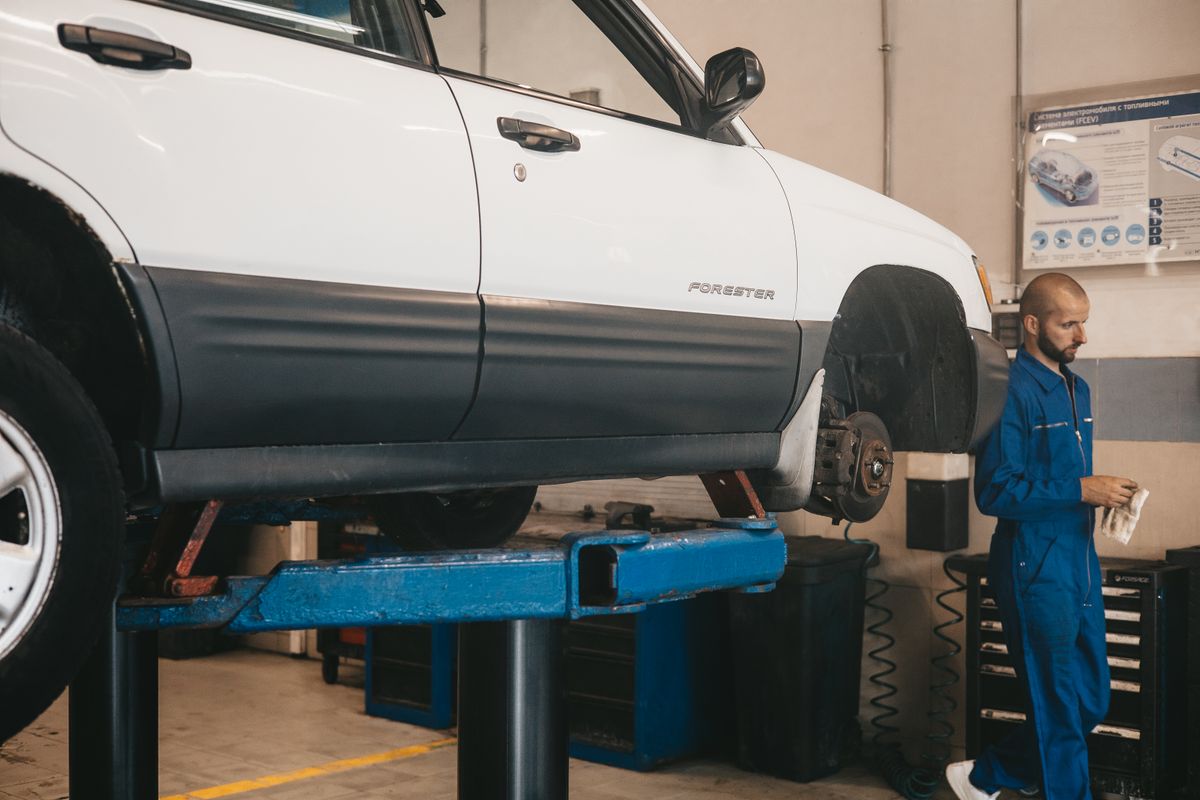
Photo via Pexels
A rideshare or delivery car is not a car you drive for fun. It is a business, and like any business, it either makes money or it loses money. In Fort Myers, where the work runs from the airport to the beaches to the restaurants along US-41 and the neighborhoods of Cape Coral, a good earnings car is one that stays on the road, costs little to run, and keeps its passengers and its driver comfortable through long hours in Florida heat.
The math is simple and unforgiving: every hour the car is in the shop is an hour it is not earning, and every dollar spent on fuel, tires, or repairs is a dollar out of your pocket. That means the right car for this work is not the most impressive car on the lot — it is the most reliable, the most economical, and the most comfortable car you can buy. This guide covers how to choose it, what to check before you buy, and the mistakes that cost drivers money.
The economics: what an earnings car really costs
Before you shop, understand the economics of the work. A rideshare or delivery car puts on far more miles than a personal car — often several times as many in a year. That means fuel, tires, brakes, and oil changes all come around much faster, and the car's value drops faster too. The car that makes sense for this work is one where those costs stay low.
Fuel is the biggest ongoing cost, and it is the one you can control most directly by choosing the right car. A car that uses noticeably less fuel than another car will save you a meaningful amount over a year of driving, and that saving goes straight to your bottom line. But do not judge fuel economy by a sticker alone — a car that is efficient on the highway may be thirsty in the stop-and-go traffic of downtown Fort Myers or the beach roads, and a car with a small engine that has to work hard to keep up with I-75 traffic may not save as much as you expect. Think about where you actually drive, and choose accordingly.
Maintenance is the second cost, and it is where a simple car beats a complicated one. A car with widely available parts, a straightforward design, and a history of regular maintenance will cost less to keep running than a car with rare components or complex systems. Ask for service records and look for regular oil changes, brake work, and cooling system service. A car that was maintained on schedule is a car that will keep earning.
Tires and brakes wear faster on an earnings car than on a personal car, because the miles add up and the driving is a mix of city streets and highway. Check the tire size and condition on any car you are considering — a car with large, low-profile tires will cost more every time you replace them. Check the brake pads and rotors too, and factor in how soon they will need replacement.
Insurance is the cost that many new drivers underestimate. Rideshare and delivery work changes your insurance needs, and a personal policy may not cover you while you are working. Talk to your insurer before you buy, and get a quote for the specific car you are considering with the coverage you actually need. Our guide to what your monthly payment really covers helps you think through the full cost of owning a car, not just the payment.
Comfort for long hours: the driver and the passenger
A rideshare or delivery driver spends more time in the car than almost anyone else — often eight, ten, or twelve hours a day. Comfort is not a luxury at that level; it is a working condition. Start with the driver's seat. Sit in it for more than a minute, adjust it fully, and imagine yourself there for a full shift. Does the seat support your lower back? Can you reach the pedals without stretching? Is the headrest positioned so it actually supports your head? A seat that feels fine for five minutes and terrible for five hours is a common problem, and you will only find it by sitting in it properly.
The air conditioning is the most important comfort feature in Fort Myers. A car that cannot keep the cabin cold in August heat is a car that will make every shift miserable — for you and for your passengers. Run the AC on full blast during your test drive and make sure the air gets genuinely cold quickly, and that cold air reaches the back seat as well as the front. Passengers notice a hot back seat immediately, and it affects their experience and their ratings. If the AC smells musty, the evaporator may have mold — a common Florida problem worth fixing before you buy.
Passenger comfort matters too, especially for rideshare. The back seat should have real legroom — an adult should be able to sit behind the driver's seat without their knees touching it. The rear doors should open wide enough for passengers to get in and out easily, and the cabin should be quiet enough for a conversation. A car that is comfortable for passengers earns better ratings, and better ratings mean more work.
Noise matters for the driver as well. A car that is quiet at highway speed is a car you can drive for hours without fatigue. On your test drive, take the car onto I-75 and cruise at highway speed with the radio off. Listen to the tires, the wind, and the engine. A car that hums along quietly is a car you will still like after a long shift. A car that drones will wear you down.
Reliability: downtime is lost income
For an earnings car, reliability is not a preference — it is the business. Every day the car is in the shop is a day of lost income, and every breakdown on the road is a missed ride, a late delivery, and a frustrated customer. The way to buy reliability is to inspect the specific car in front of you and to look for a car with a history of regular maintenance.
Start with the service records. A car with a complete history of regular oil changes, coolant flushes, transmission service, and brake work is a car that was cared for, and cared-for cars last longer. A car with gaps in its history, or no records at all, is a gamble — and a gamble is a bad business decision.
Then read the vehicle history report. Our guide on how to read a vehicle history report walks through what to look for: accidents, flood damage, salvage titles, and ownership changes. In Fort Myers, flood history deserves special attention — a car that sat in standing water after a storm can develop electrical problems months later, and electrical problems on an earnings car mean downtime. Our guide to flood and salt air damage in Florida covers the checks to run.
Get a pre-purchase inspection from an independent mechanic. This is the single best investment you can make when buying a car that will earn your living. A mechanic on a lift will see the leaks, the worn suspension, the rust, and the tires that are about to fail — all the things you cannot see from the driver's seat. The inspection costs far less than a single day of lost income, and it gives you a real list to negotiate from. Our 15-minute test drive checklist is a good companion for the day you go to look.
Florida checks: heat, rust, and flood damage
Every used car in Florida needs the same three checks, and an earnings car needs them most because it will face them every day, all day. First, the air conditioning: run it hard, check that the air gets cold quickly, and make sure the fan works at every speed. Second, the cooling system: Florida heat punishes a weak cooling system, and a car that overheats in traffic on US-41 on a July afternoon is a car that cannot work. Look for coolant leaks under the hood, check the condition of the hoses, and watch the temperature gauge on your test drive — it should stay steady, not climb in traffic.
Third, rust underneath. Salt air is hardest on cars that live near the coast — Fort Myers Beach, Sanibel, Captiva, and the riverfront neighborhoods along the Caloosahatchee. An earnings car spends more time on the road than a personal car, and more of that time near the coast. Look at the frame, the exhaust, and the brake lines. Surface rust is normal on an older car, but flaking or perforated metal is a warning.
Batteries deserve a mention too. Florida heat kills car batteries faster than cold weather does, and a battery that is three or four years old is living on borrowed time. Ask how old the battery is, and if the car cranks slowly on a hot start, budget for a replacement soon. A dead battery at the start of a shift is a shift that never happens.
Finally, check the tires for age, not just tread. Tires have a date code stamped on the sidewall, and a tire that is six or seven years old is past its safe life even if the tread looks fine. Florida heat ages rubber, and an earnings car that drives all day in that heat ages its tires faster than most. If the tires are old, factor in a replacement.
The test drive: drive it like a shift
A test drive for an earnings car should reproduce a shift, not a joyride. Drive the car on the roads you will actually work: the airport run on Daniels Parkway, the beach run on Summerlin Road, the restaurant pickups along US-41, the neighborhood streets of Cape Coral. Get on I-75 and merge at highway speed. Sit in traffic on Colonial Boulevard and feel how the car behaves when it is hot, idling, and creeping forward.
While you drive, pay attention to the things that matter over a long day. Is the steering light enough for parking but steady enough for the highway? Do the brakes feel firm and predictable? Does the transmission shift smoothly, or does it hesitate and clunk? Does the car pull to one side? Turn the radio off for part of the drive and listen for humming, rattling, or whining that would drive you crazy after eight hours.
Test the features you will use constantly: the phone mount or charging setup, the navigation, the air conditioning controls, the mirrors, and the locks. A car with a dead charging port or a navigation screen that does not work is a car with a problem that affects every single shift. Check that the trunk or cargo area is easy to load — delivery drivers load and unload dozens of times a day, and a trunk that is awkward to use slows you down every time.
If you are comparing an earnings car against a car for daily commuting, our guide to the best used cars for commuting in Fort Myers covers the daily-driver side. And if you sometimes need to carry larger loads, our guide to the best used wagons in Fort Myers covers a practical alternative.
Frequently asked questions
What is the best car for rideshare and delivery in Fort Myers? A reliable, fuel-efficient car with strong air conditioning, a comfortable back seat, and low running costs — usually a midsize sedan or a compact car. The exact model matters less than the condition: a well-maintained car with a clean history report and a passing inspection is the right buy, whatever the badge.
How important is fuel economy for an earnings car? It is the single biggest factor in your profit. Fuel is your largest ongoing cost, and a car that uses less fuel keeps more of every fare in your pocket. Judge fuel economy on your actual driving — city streets, highway runs, and the airport loop — not on a sticker.
Should I buy a car with high mileage for rideshare or delivery? Mileage matters less than maintenance. A higher-mileage car with complete service records and a clean inspection can be a better buy than a lower-mileage car that was neglected. Judge the car on its condition, its history report, and the mechanic's inspection — and read our guide on how to read a vehicle history report so you know what the report is telling you.
What should I check first on a used earnings car in Florida? Start with the air conditioning and the cooling system, then check for rust underneath and signs of flood damage. Check the tires for age and tread, and ask about the battery. Our guide to flood and salt air damage in Florida covers the Florida checks step by step.
Do I need special insurance for rideshare or delivery driving? Yes, talk to your insurer before you start working. A personal auto policy may not cover you while you are driving for rideshare or delivery, and you need to understand what coverage you actually have. Get a quote for the specific car you are considering with the coverage you need, before you buy.
An earnings car is a business decision, so make it like one. Buy the reliable, economical car — not the impressive one. Check the AC, check underneath, check the history, and get a mechanic's inspection. Drive it like a shift before you commit. When you find the car that passes all of that, you have found a partner that will earn its keep every day. Browse the current inventory at Joes' Cars, or call Joe at (239) 364-0709 to book an appointment and see the cars in person.
Questions about a car?
Call Joe — he’ll give you a straight answer and, if there’s a car you like, have it ready for a test drive.
Book an appointmentBrowse inventory

