Joes’ Cars Fort Myers · Buying Guide
Best Used Cars for Family Life in Fort Myers
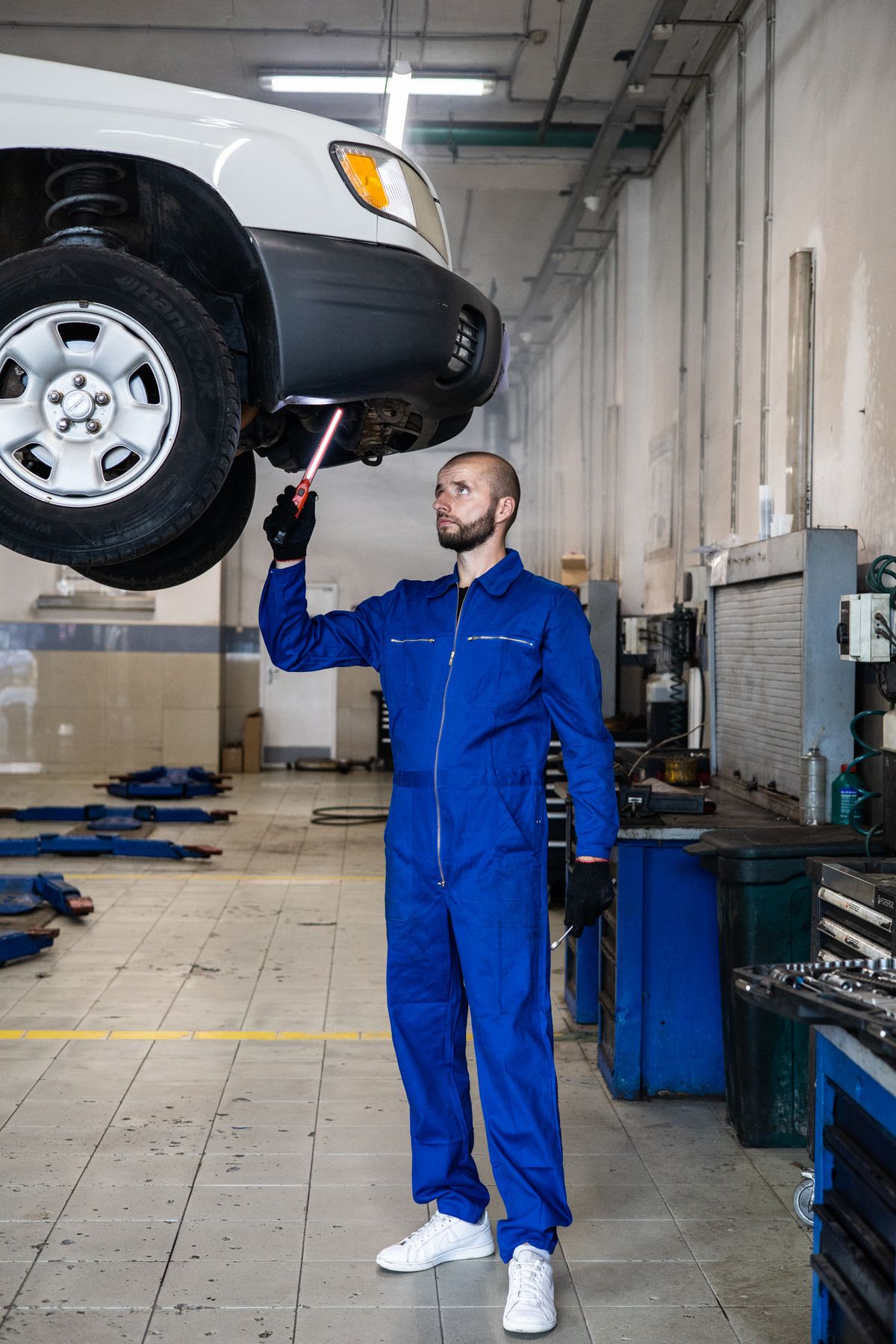
Photo via Pexels
A family car is not a car you buy for yourself. It is a car you buy for the life your family actually lives: the school run in the morning, the grocery stop on the way home, the Saturday game, the Sunday beach trip, and the grandparents who visit for a month every winter. In Fort Myers, that life has a particular shape — hot summers, crowded roads in snowbird season, beach gear that never seems to dry out, and a lot of driving on I-75, US-41, and Colonial Boulevard. The right family car handles all of it without making your life harder.
The wrong family car is a car you fight every day. A back seat that will not fit a car seat properly, a trunk that swallows a stroller only if you take the wheels off, a third row that only a contortionist can reach — these are the frustrations that turn a new purchase into a regret. This guide covers how to choose a family car that fits your real life, what to check before you buy, and the mistakes that catch Fort Myers families off guard.
Start with your family, not with a car
The biggest mistake in family car shopping is starting with a vehicle and trying to make your family fit it. Start with your family instead. Write down who rides in the car on a normal week: how many kids, how many car seats or boosters, whether grandparents ride along, whether the dog comes too. Then write down what you carry: strollers, sports bags, coolers, beach chairs, groceries, and anything else that goes in the car on a regular basis.
Now think about how that list changes over the next few years. A family with a newborn and a toddler will need car seats for years. A family with two teenagers needs legroom more than LATCH anchors. A family with a baby on the way needs a car that can take a rear-facing seat without pushing the front passenger's knees into the dashboard. Buying for the family you have today, with an eye on the family you will have in two years, is smarter than buying for a single moment in time.
Consider your daily routine honestly. If both parents drop kids at different schools before work, you need a car that is easy to load quickly in the morning. If one parent does the school run and the other commutes alone, a larger family car and a smaller commuter might be the right two-car answer. If your kids play travel sports, you need cargo space for gear bags and coolers every weekend. If your family spends every Sunday on Sanibel or Fort Myers Beach, you need a car that handles sand, wet swimsuits, and a cooler full of ice without complaint.
The point is simple: the car should fit the life, not the other way around. When you know your list, shopping becomes a process of elimination, and the right car reveals itself quickly.
Car seats: the test that decides everything
Car seats are the single most important fit test for a family car, and it is the test most buyers skip. A car seat that does not install securely, or a car that cannot fit two car seats and an adult in the second row, is a car that will frustrate you every single day. Bring your car seats to every test drive. Install them yourself, in the seats where your children will actually ride, and check the fit with your own hands.
First, check the LATCH anchors. They should be easy to find and easy to reach — some cars bury them deep between the seat cushions, which makes installation a wrestling match. The anchors should be clearly marked, and the tether anchors for forward-facing seats should be accessible too. If you cannot find the tether anchor without a flashlight and a diagram, that is a warning sign about the car's family-friendliness.
Second, check the space. Install a rear-facing seat and see how far forward the front seat has to go. If the front passenger has to sit with their knees against the dashboard, the car is too small for your family. Install two seats side by side and see if there is room for an adult or an older child between them. Some cars advertise three seats across the second row but only fit three car seats if they are all narrow models — test it with your actual seats, not the manufacturer's claim.
Third, check the doors and the roof. Wide-opening rear doors make loading a car seat much easier, and a high roofline means you are not bumping your head while you buckle a squirming toddler. Sliding doors, like those on a minivan, are the gold standard here — they open straight back instead of swinging out, which matters in crowded parking lots at schools and grocery stores along US-41. Our guide to the best used minivans in Fort Myers goes deep on why minivans are so good at this job.
Finally, check the seat material. Leather or vinyl seats wipe clean after a spilled juice box; cloth seats absorb it. In Florida, where kids are sticky from the beach and the heat, easy-to-clean seats are not a luxury — they are a survival tool.
Safety: what actually protects your family
Safety is the reason most families buy a larger car, and it is worth understanding what actually keeps your family safe. The most important safety feature is not a gadget — it is the car's structure and its crash performance. A car with a strong safety record and a complete set of airbags, including side curtain airbags that protect all three rows, is a car that protects your family in the way that matters most.
After structure, look for the driver-assistance features that prevent accidents in the first place. Automatic emergency braking, blind spot monitoring, and a backup camera are the three that matter most for family driving. Blind spot monitoring is especially valuable in Fort Myers, where snowbird season brings unfamiliar drivers and heavy traffic on I-75 and US-41. A backup camera is essential in crowded school parking lots and beach lots where children are running around.
Check that every safety feature actually works on the car you are considering. Turn the car on and look for warning lights on the dashboard — an airbag warning light or a stability control light means the system has a fault, and that fault needs to be fixed before the car is safe. Test the backup camera and the parking sensors. If the car has automatic emergency braking, ask whether the system has ever been serviced or if any sensors have been replaced.
Do not forget the basics. Seatbelts in every position should pull out smoothly and retract fully, and every buckle should latch securely. Child safety locks on the rear doors should work. And the tires should have plenty of tread — worn tires are a safety issue in Florida's summer downpours, where standing water on roads like State Road 82 can cause hydroplaning. Our guide to how to buy a used car in Florida covers the safety checks to run before you commit.
Florida checks: heat, rust, and flood damage
Florida's climate is hard on family cars in ways that matter more when children are involved. The air conditioning has to cool a large cabin full of people, and it has to do it fast. On your test drive, run the AC on full blast and check that cold air reaches the second and third rows, not just the front seats. A family car with weak rear AC is a car full of miserable, overheated kids from May through October. If the AC smells musty, the evaporator may have mold — a common Florida problem that is worth fixing before you buy.
Sun damage is the second Florida problem. A family car that spent years parked outside will have a faded dashboard, cracked leather, and brittle plastic. Check the dashboard for cracks, sit in every seat, and look at the condition of the seatbelts — sun-damaged belts can be weakened. A car with a sunshade habit and a garage history will age much better.
Rust underneath is the third check. Salt air is hardest on cars that live near the coast — Fort Myers Beach, Sanibel, Captiva, and the riverfront neighborhoods along the Caloosahatchee. Get underneath the car, or have a mechanic put it on a lift, and look at the frame, the exhaust, and the brake lines. Surface rust is normal on an older car, but flaking or perforated metal is a warning.
Flood damage is the check that matters most. Fort Myers has seen storm surge and flooded streets, and a family car that sat in standing water can hide corroded wiring and a failing transmission. Read our guide on how to read a vehicle history report and run the report on any car you are serious about. Then check for the signs yourself: a musty smell that air freshener cannot hide, silt or sand under the seats or in the cargo area, rust on the seat bolts, and moisture under the carpet. Our guide to flood and salt air damage in Florida walks through every one of these checks.
The test drive with the whole family
A family car test drive should involve the whole family. Bring the kids. Have them climb in and out of every seat, buckle themselves in, and tell you honestly whether they fit and whether they can reach the door handles. A child who cannot open the rear door from the inside is a child who needs you to walk around the car every time, and that gets old fast.
Drive the route your family drives. Take the car onto I-75 and merge at highway speed with the AC running and the radio on — that is the real-world test of whether the car is quiet and powerful enough for a loaded family trip. Drive through a school zone, turn around in a crowded parking lot, and park in a tight space at a grocery store on Colonial Boulevard. A family car that is easy to park and easy to load is a family car you will enjoy every day.
While you drive, listen. Turn the radio off for part of the drive and listen for rattles, humming, or clunking. Test the brakes firmly and feel for pulling or vibration. If anything feels off, note it and ask about it. And if you are comparing a family car against a wagon or a minivan, our guide to the best used wagons in Fort Myers covers the wagon alternative, and our guide to the best used minivans in Fort Myers covers the minivan case in full.
Before you buy, get a pre-purchase inspection from an independent mechanic. A family car has more systems to fail than a commuter — power doors, rear climate, entertainment systems, folding seats — and a mechanic will catch the ones that are about to fail. Our 15-minute test drive checklist is a good companion for the day you go to look.
Frequently asked questions
What is the best used car for a family in Fort Myers? The best family car is the one that fits your car seats, your cargo, and your daily routine. For most Fort Myers families, that means a minivan, a three-row SUV, or a large wagon. Bring your car seats and your stroller to the test drive and let the fit decide.
How do I know if a car seat will fit in a used car? Bring the car seat to the test drive and install it yourself. Check that the LATCH anchors are easy to reach, that a rear-facing seat does not push the front passenger into the dashboard, and that you can fit your seats side by side if you have more than one child. A car that fits your seats is a car that fits your family.
What safety features matter most in a family car? A strong structure, side curtain airbags for all rows, automatic emergency braking, blind spot monitoring, and a backup camera. Good tires matter too — worn tires are a real safety risk in Florida's summer downpours.
Should I buy a minivan or a three-row SUV for my family? A minivan wins on sliding doors, third-row space, cargo room, and ease of loading. A three-row SUV wins on towing and ground clearance. For most Fort Myers families, the minivan is the more practical daily choice, but drive both and see which one your family actually prefers. Our guide to the best used minivans in Fort Myers covers the minivan case in detail.
What should I check first on a used family car in Florida? Start with the air conditioning, including the rear vents, then check for rust underneath and signs of flood damage. Get a pre-purchase inspection from an independent mechanic. Our guide to flood and salt air damage in Florida covers the Florida checks step by step.
A family car is the car that carries the people you love most, so buy it with the care that deserves. Bring the car seats, bring the stroller, bring the kids, and test the car on your real routine. Check the AC, check underneath, check the history, and get a mechanic's inspection. When you find the car that fits your family and passes all of that, you have found a car that will carry your family through school years, beach days, and road trips for a long time. Browse the current inventory at Joes' Cars, or call Joe at (239) 364-0709 to book an appointment and see the family cars in person — bring the whole crew.
Questions about a car?
Call Joe — he’ll give you a straight answer and, if there’s a car you like, have it ready for a test drive.
Book an appointmentBrowse inventory

